

Pre-Winter Plumbing Checklist: Protecting Your Paris Home Against the Cold
Pre-Winter Plumbing Checklist: Protecting Your Paris Home Against the Cold
Winter puts your plumbing through its paces. Freezing temperatures, heating on overdrive, pipes expanding and contracting with temperature swings: every year, the same breakdowns happen at the same time. Yet most of them could be avoided with a few checks done in advance. This pre-winter plumbing checklist guides you, item by item, in preparing your Paris home for the cold so you can get through the season without any nasty surprises. It is aimed at homeowners, tenants, and property managers alike.
Set aside half a day in autumn to go through these points. That is very little compared to the time and cost of an emergency repair on a December evening. You do not need to be handy: most of these checks are simple visual inspections, and we clearly indicate when to call a professional.
Why Prepare Your Plumbing Before the First Cold Spell
In Paris and the inner suburbs, the cold sometimes arrives suddenly, with temperature drops of several degrees in a single night. A neglected system reveals its weaknesses at the first freeze. A worn gasket that dripped discreetly in summer becomes a real leak in winter when the metal contracts. A boiler that was never serviced gives out the day you finally ask it to heat at full power.
Planning ahead costs little time and prevents emergency call-outs that are much more expensive, often charged at higher rates on weekends and public holidays. The rule is simple: a calm check in autumn beats a crisis repair in January. This checklist gives you the logical order of priorities.
1. Protect Pipes Against Freezing
The number one winter risk is frozen pipes. Water that freezes expands in volume and bursts the pipe, causing a leak at the moment of thaw. Identify all exposed pipes: basement, garage, courtyard, attic, outdoor taps, and meters located in unheated spaces.
Wrap these pipes in foam insulation sleeves, which are easy to install, and shut off the supply to garden taps after draining them. These simple steps are enough to protect the vast majority of systems. If a pipe freezes despite your efforts, our complete guide on frozen pipes in Paris explains how to react without damaging the pipe.
Special attention is needed for ground-floor units, top-floor studios, and properties facing an interior courtyard, which are often more exposed to the cold. Water risers running along a north-facing facade or a poorly insulated wall freeze first. If you are a tenant, report any visibly exposed pipes to your landlord before winter: prevention is a shared responsibility and is always better than dealing with a claim in the middle of the season.
2. Have the Boiler and Heating Serviced
A boiler that breaks down in the middle of winter is usually a boiler that was not serviced. Annual servicing is mandatory for gas boilers and is ideally carried out in autumn, before the winter rush for professionals. It checks the pressure, combustion, flue exhaust, and the overall condition of the unit.
Timely servicing not only prevents breakdowns but also reduces your energy consumption, as a clean unit heats more efficiently. See our advice on annual boiler maintenance and on the best time for servicing. If your boiler is already acting up, our article on boiler safety mode and pressure loss helps you understand and respond.
3. Bleed and Check the Radiators
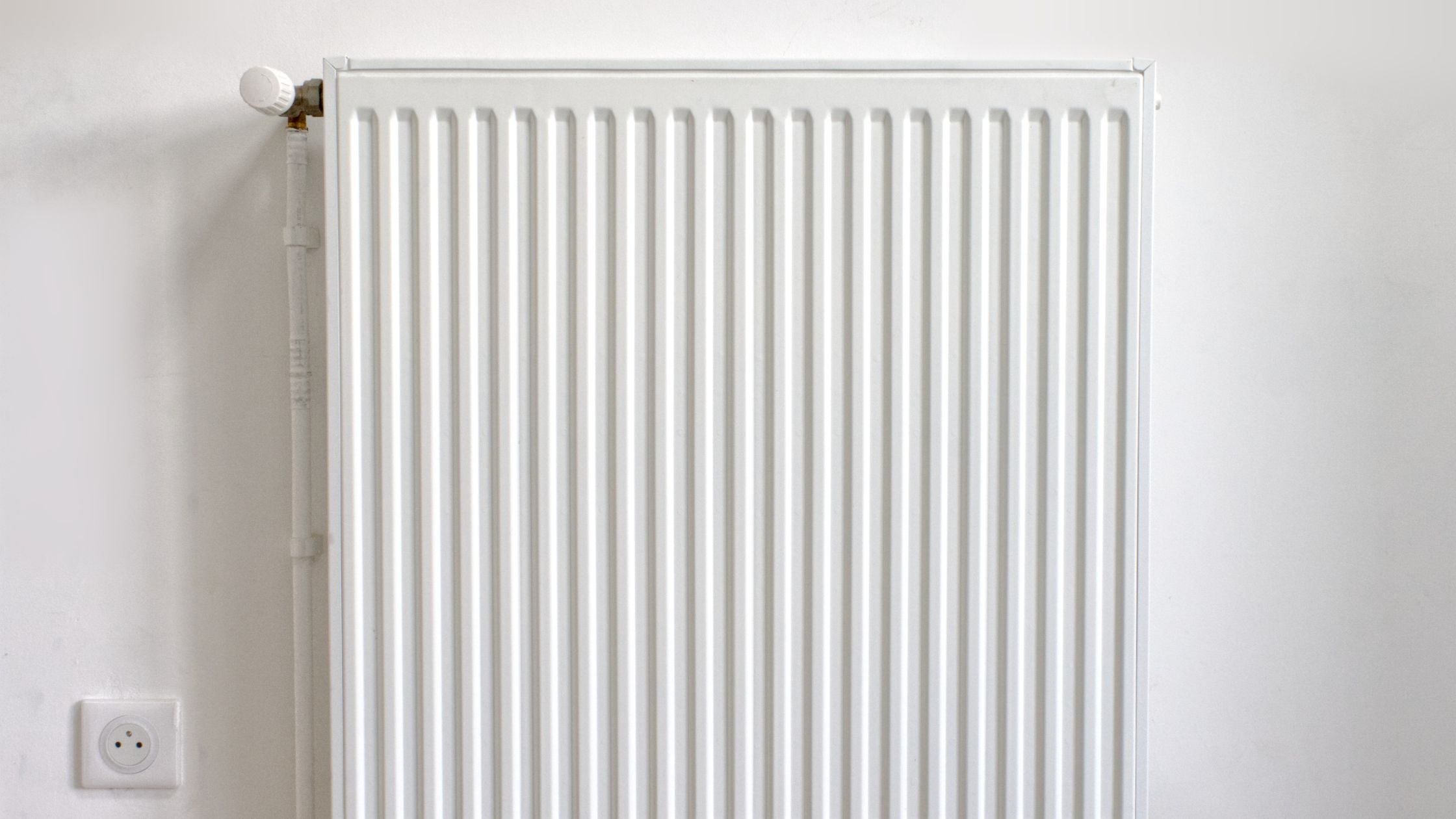
Radiators that are cold at the bottom, lukewarm at the top, or that make banging noises are signs of a circuit that needs attention. Bleeding releases the trapped air that prevents hot water from circulating. Flushing cleans the sludge that accumulates over the years at the bottom of radiators and in the pipes.
A clean circuit heats better, faster, and uses less energy: your rooms reach temperature without the boiler having to work overtime. This is an often-neglected item that nonetheless has a major impact on your bill. Our article on radiators that heat poorly explains how to tell whether you need to bleed, flush, or repair, with step-by-step instructions.
4. Inspect the Water Heater and Hot Water
Nothing is worse than a cold shower on a winter morning. Before the season, check the age and condition of your water heater. A unit that makes noise, heats less effectively than before, takes a long time to produce hot water, or shows signs of rust is a candidate for failure.
Replacing a tired water heater proactively saves you from being left without hot water in the middle of a cold spell, when response times get longer. Our articles on common water heater breakdowns and on signs your water heater needs replacing help you decide. For a sudden outage, also see no hot water, what to do.
5. Hunt Down Leaks Before They Get Worse
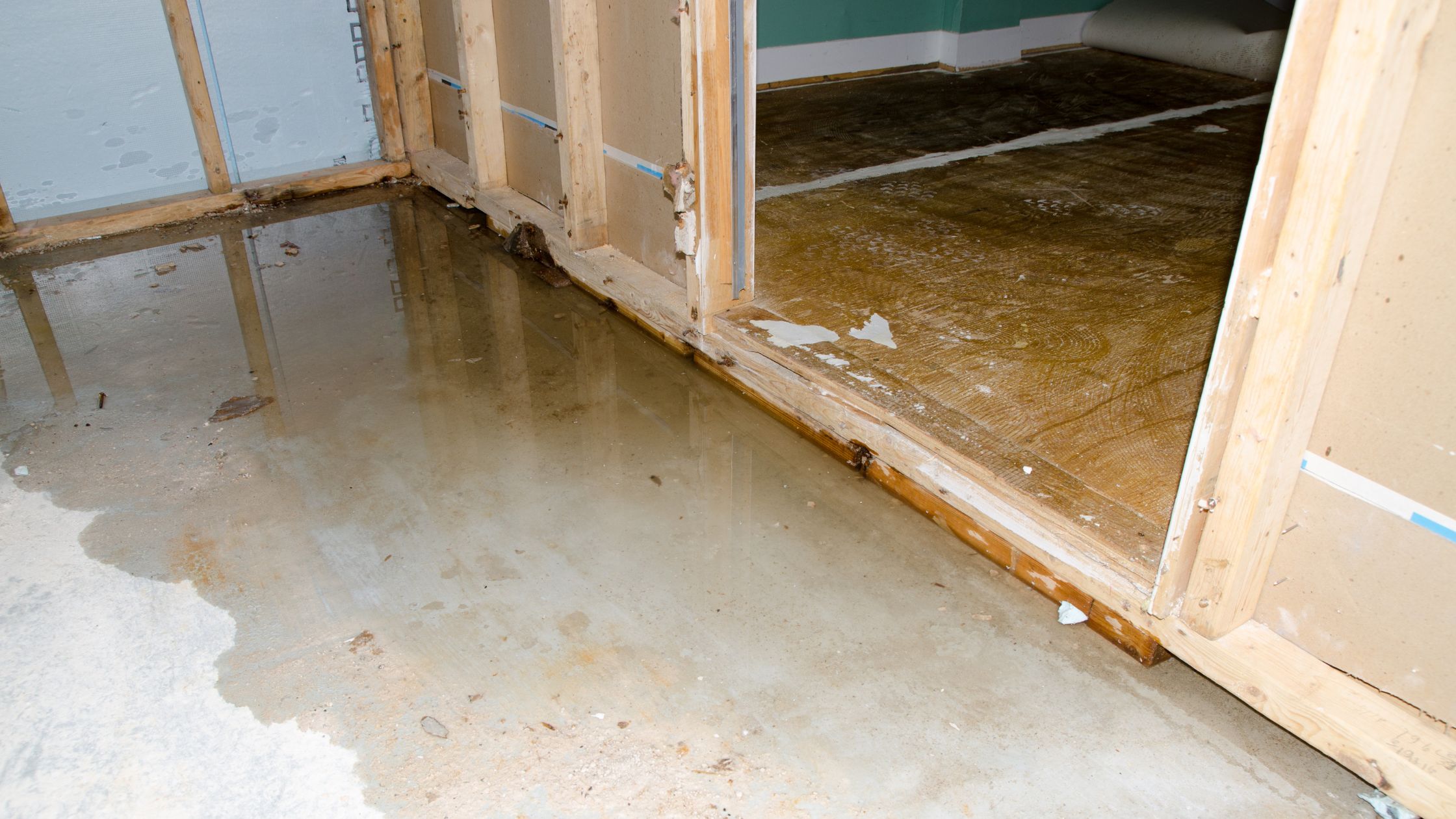
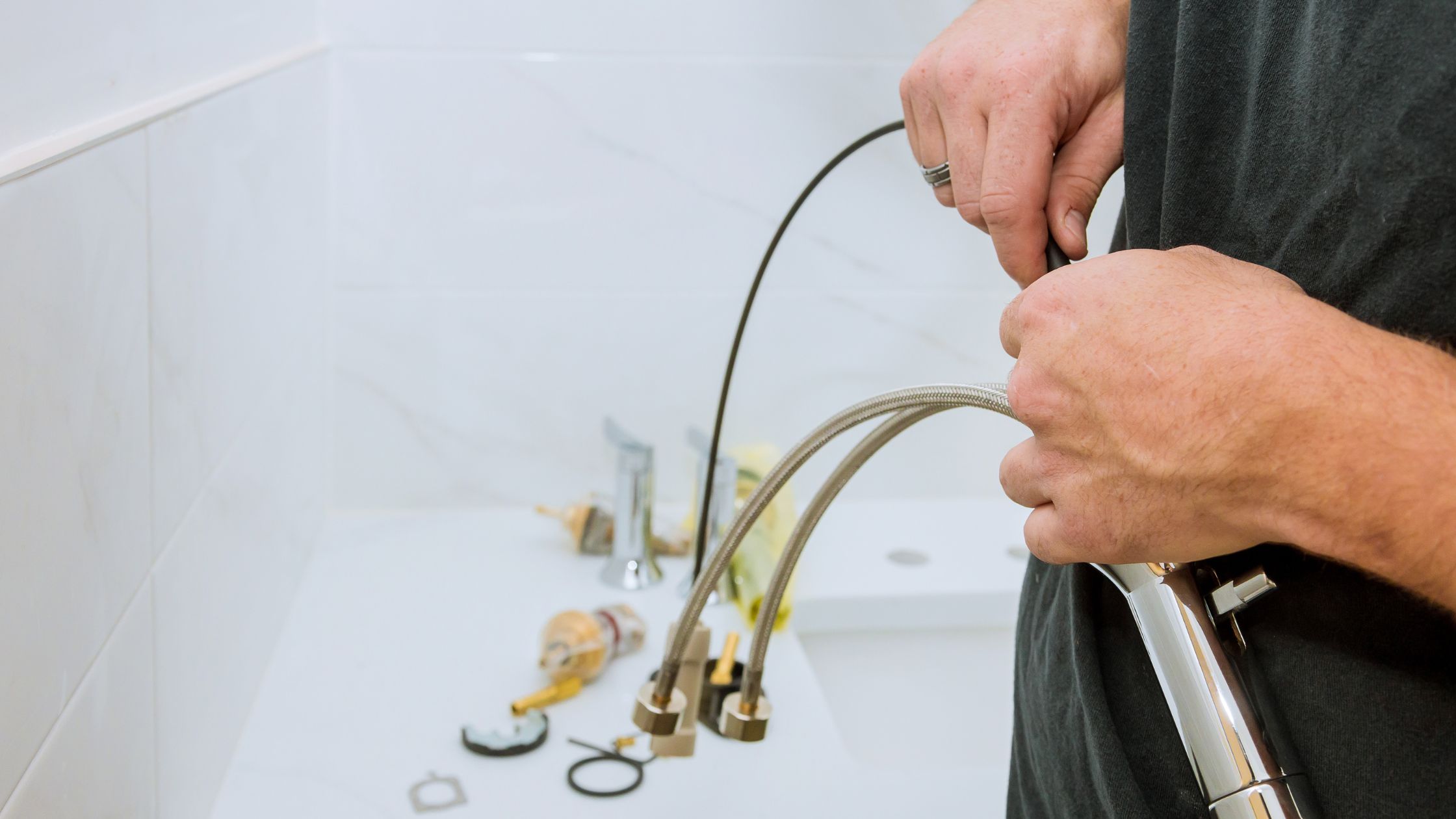
Cold weather worsens existing leaks. A drip you tolerated in summer becomes a real leak in winter when materials contract and gaskets harden. Inspect your taps, traps, and visible fittings, under the sink, behind the toilet, around the water heater.
Also monitor your water meter: read it in the evening, use no water overnight, and check in the morning. If it has moved, a leak is hiding somewhere. An untreated leak inflates your bill and can damage the structure of the home. Our guide to detecting an invisible water leak gives you the complete method for locating it.
6. Prevent Blocked Drains
In winter, cooking fats solidify faster in cold pipes and blockages form more easily. Holiday meals, richer and more frequent, make the problem worse. Avoid pouring oils and fats down the sink, let them cool and throw them in the bin, and place screens over the drains to catch debris.
Regular maintenance of the waste pipes, for example with hot water and baking soda, limits buildup. Our tips for avoiding blocked drains spare you plenty of headaches. If a sewer smell comes back despite your efforts, see our article on a bathroom that smells like sewage.
7. Prepare for a Holiday Absence
Many Parisians leave their homes during the Christmas holidays, sometimes for several weeks. An empty, poorly prepared home is doubly vulnerable: to freezing, which can burst a pipe, and to water damage, which goes unnoticed as long as nobody is there to see it.
Before leaving, keep the heating in frost protection mode rather than turning it off, and if the home will be empty for a long time, shut off the main water supply. We detail all of these precautions in our article on shutting off the water before winter holidays. A few minutes of preparation guarantee a worry-free return.
8. Know Who to Call in an Emergency
Finally, winter is the season for plumbing emergencies. Despite every precaution, a breakdown can happen. Keep the contact details of a professional who responds quickly, including weekends and public holidays, and who knows your area.
Our 7-day emergency service covers Paris and the inner suburbs with short response times. To understand how a rapid intervention works and what to expect, read our article on the on-call plumber in Paris. Having the right number saved in advance saves you precious time when it matters most.
The Checklist at a Glance
Insulate exposed pipes and shut off outdoor taps.
Have the boiler serviced before the cold sets in.
Bleed the radiators and check the heating circuit.
Inspect the condition and age of the water heater.
Find and fix leaks before they get worse.
Prevent blockages in the drains.
Secure the home before an extended absence.
Save the contact details of a reliable emergency plumber.
The Right Schedule
To be effective, this preparation follows a rhythm. In September and October, take care of boiler servicing and the water heater check, before professionals are overwhelmed. In November, insulate exposed pipes and bleed the radiators. Just before you leave for the holidays, secure the home. By following this order, you forget nothing and spread the work over several weeks without stress.
The Most Common Winter Mistakes
Certain habits, adopted with good intentions, actually increase risks. The first is turning off the heating entirely to save money during an absence: an unheated home is exposed to freezing and the cost of a burst pipe far outweighs the few euros saved. The second is leaving a tap dripping all night to prevent freezing, which wastes a great deal of water and only provides very localized protection.
Another common mistake is pouring boiling water down a fat-blocked drain: the thermal shock can weaken a pipe, and very hot but not boiling water is preferable. Finally, many people wait for a breakdown to have their boiler serviced, when an autumn checkup costs less and avoids the emergency. Knowing these pitfalls helps you prepare your home the right way.
Tenant, Homeowner, or Building Manager: Who Does What
The division of responsibilities depends on your situation. As a tenant, routine maintenance is your responsibility, including annual boiler servicing and minor repairs. Major repairs and the replacement of worn-out equipment fall to the landlord. If in doubt, a written exchange with your landlord clarifies things before winter.
For the common areas of a building, risers and shared networks, the building manager organizes maintenance and interventions. If you are a landlord or manage multiple properties, planning winter preparation for each property in advance avoids emergency calls in the middle of the night. We regularly assist building managers and property administrators with this seasonal preparation.
The Lifesaving Habit: Know Your Main Shut-Off Valve
Among all the precautions on this checklist, one costs nothing and can save you from the worst: knowing where your main shut-off valve is and checking that it works. This valve cuts off the water supply to the entire home. In the event of a leak, a burst pipe, or water damage, closing it in seconds dramatically limits the damage.
Take the time before winter to locate it: it is usually near the meter, under a sink, or in a utility cupboard. Turn it once to check it is not seized, because a valve stuck by limescale is useless the day you need it. Show its location to the other occupants of the home. This simple habit, shared by the whole household, turns a potential disaster into a manageable incident. In winter, when the risk of freezing and rupture increases, it becomes especially important.
Frequently Asked Questions
When should you start preparing your plumbing for winter?
From early autumn, in September or October. This gives you a head start over professionals who are in high demand as soon as the cold arrives, and you are not caught off guard by an early freeze.
Is a recently built home also at risk?
Yes. Even a new home can have a pipe that freezes or a boiler that goes into fault mode. The checks are simply quicker because the system is in better condition. Prevention remains useful regardless of the age of the property.
In Summary
Preparing your plumbing before winter takes only a morning, but that morning can spare you a heating breakdown on Christmas Eve or water damage in the middle of the night. Go through each item on this checklist, handle what you can yourself, and leave the rest to a professional. You will face the cold season with peace of mind.
Would you prefer to leave this preparation to a professional? Reseau Tubulure carries out a full inspection of your system before winter, in Paris and the inner suburbs. Contact us to arrange a check before the first cold spell.
Contact Réseau Tubulure
Need a plumber or air conditioning specialist in Paris? Réseau Tubulure responds quickly throughout Paris and Île-de-France.