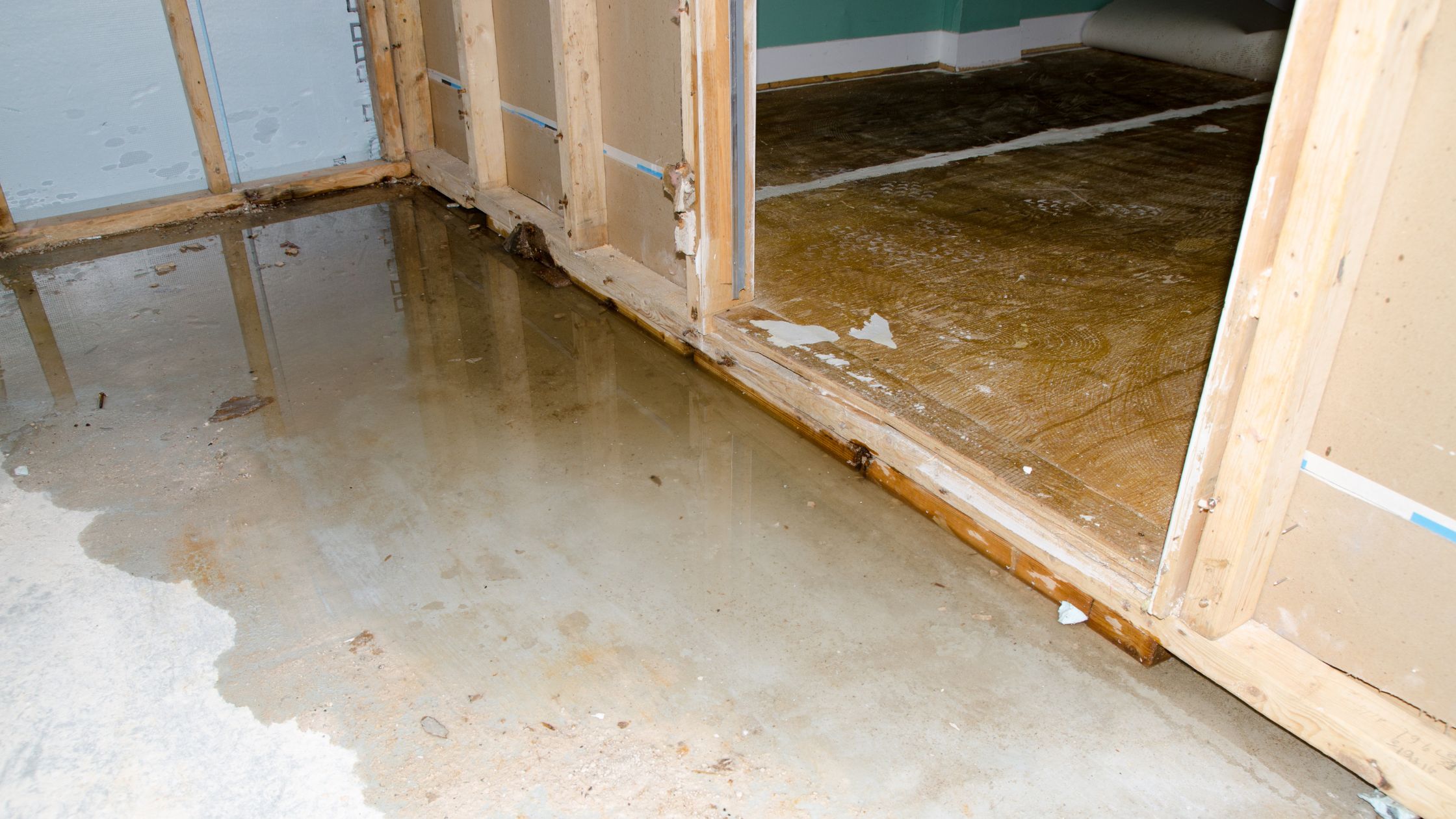


Leaking boiler: is it dangerous, causes and what to do
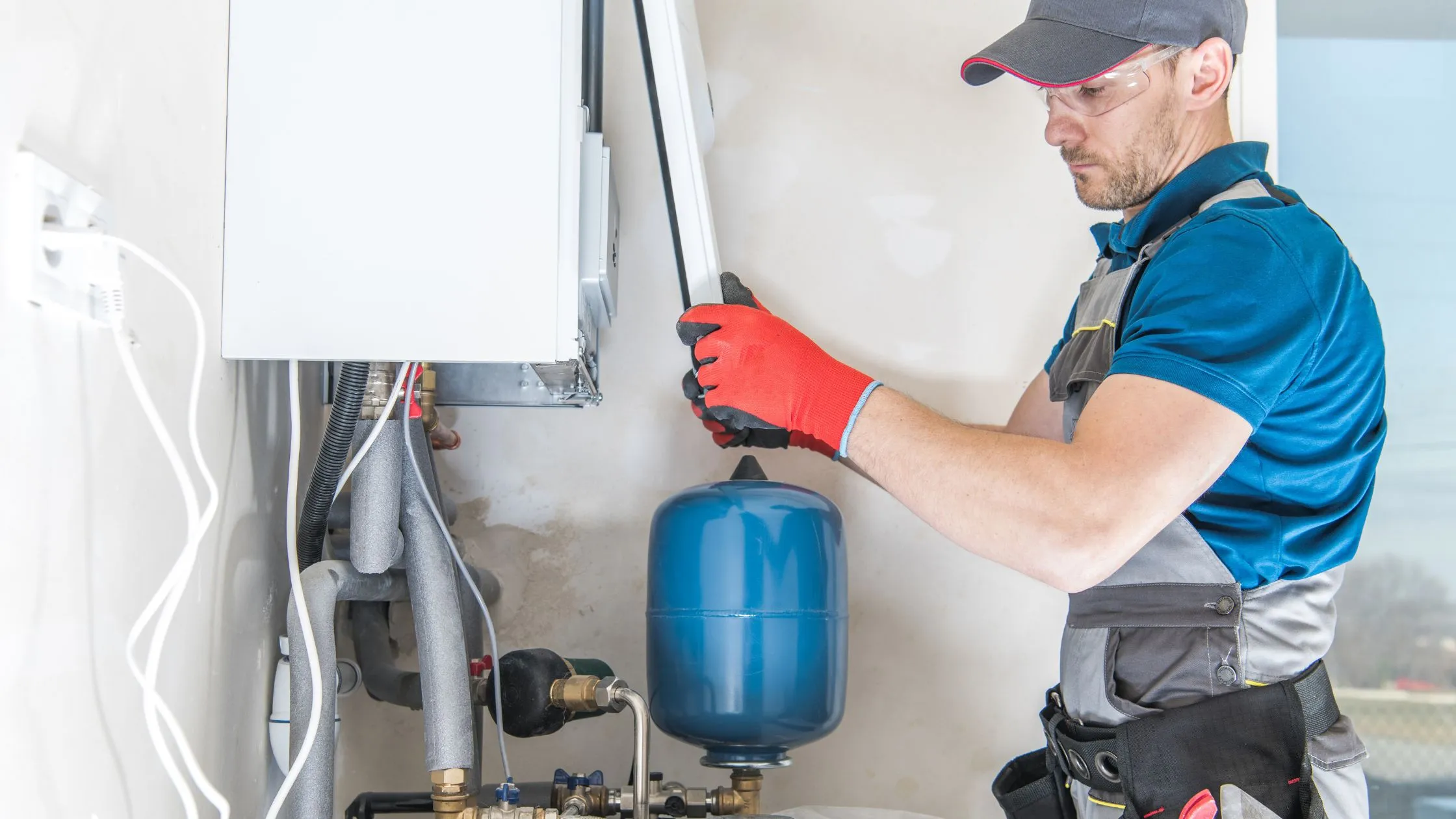
A boiler leaking water is usually not dangerous in the moment, as long as there is no smell of gas and no water on the electrical parts. The real danger is a leak at the condensate trap, which can let flue gases escape. Switch the boiler off, protect the floor, then find where the water is coming from: that tells you how serious it is.
If the leak is heavy or you are unsure, our heating engineers in Paris handle the diagnosis and the repair.
Smell of gas or headaches: get out first
If you smell gas, the water leak can wait. Do not touch any switch, open the windows, close the gas valve at the meter if you can reach it, leave the flat and call GRDF's Urgence Sécurité Gaz line (the gas network's emergency service) on 0 800 47 33 33, free and open 24 hours a day, or call 18 or 112. Our article on what to do if you smell gas has the full steps.
Headaches, nausea or dizziness in several people at home can point to carbon monoxide, which has no smell. Air the flat, turn the boiler off, go outside and call 15, 18 or 112. Santé publique France, the national public health agency, counts nearly 4,000 carbon monoxide poisonings a year in France.
First steps, in order
- Switch the boiler off at its own switch, then turn off its breaker at the fuse board if water is running near the casing or cables.
- Close the boiler's cold water inlet if the leak is heavy. It is usually a quarter-turn valve under the appliance.
- Protect the floor. Use a bowl and a cloth, and gloves if the water comes from the condensate: the Saunier Duval ThemaPlus Condens manual gives a pH of 3.5 to 4, so it is acidic. Rinse parquet, stone or marble with clean water.
- Take photos of the underside of the boiler, the pressure gauge and any fault code. They help the engineer and your insurer.
- Warn the neighbour below if water is going through the floor.
Where is the water coming from? Six sources, six levels of risk
The relief valve pipe is dripping
This is the small pipe running from the boiler to a drain. The ThemaPlus Condens installation manual asks for the relief valves to be connected to a trap so that the water flow stays visible: the drip is a signal the manufacturer wants you to see. It means the circuit has reached the valve's limit, 3 bar on this model. Check the gauge and read our guide to boiler pressure. The usual causes are a filling loop that no longer closes, a flat expansion vessel or a heat exchanger letting mains water through. Medium risk, higher if water runs constantly.
A drip at a fitting under the boiler
A nut, a fibre washer or a valve is weeping, often at the start of the heating season. Do not overtighten: brass fittings can crack. Low risk, but the pressure drops day after day until the boiler locks out.
Water from the condensate trap or drain
A condensing boiler produces water continuously and drains it through a trap. If the trap leaks, comes apart or runs dry, the picture changes: the Saunier Duval manual treats an empty trap as a danger to life, because flue gases can then enter the room. Turn the boiler off and do not restart it. A blocked condensate pipe also makes water overflow; the manufacturer lists it among the causes of ignition faults F.28 and F.29.
Water from inside the casing
A holed heat exchanger, the pump, an internal joint or the expansion vessel: all of these sit behind the cover, next to the gas and 230 volts. Do not open the boiler. High risk, call a professional.
Drops around the flue
Condensation in the flue, or rain coming in at a roof terminal, common in older Paris buildings. A flue that lets water in may also let gases out: have it inspected.
The filling loop is dripping
Leaking outwards, it wets the floor; leaking into the circuit, it pushes the pressure up. Either way the valve is replaced. Medium risk.
Boiler leaking from the bottom: a fifteen-minute test
Wipe the underside dry, slide a dry sheet of kitchen paper under the boiler, then note when the first wet spot appears:
- Only when the heating runs: the leak is on the heating circuit, which rises in pressure and temperature.
- Only when you run hot water: the leak is on the domestic water side, at the plate heat exchanger or a water fitting.
- Even with the boiler off: the leak is on a fitting that stays under mains pressure, often the cold inlet or the filling loop.
Write this down with the pressure on the gauge: it shortens the diagnosis.
What not to do
- Block the relief valve pipe or the valve itself: it is the device that stops overpressure.
- Top the pressure up every day to make up for the leak. Each top-up brings in fresh water, full of limescale and oxygen. The Saunier Duval manual calls for water treatment once total top-ups exceed three times the system volume.
- Pour a leak sealer into the circuit. The manufacturer warns that unsuitable sealing products damage components.
- Keep running a condensing boiler with a leaking trap.
Who pays, and what to do in a shared building
In a rented flat, the tenant pays for routine upkeep and minor repairs under article 7 of the law of 6 July 1989, unless they result from wear and age, poor workmanship, a construction defect or force majeure. A washer on a fitting is usually the tenant's cost, a heat exchanger holed by age the landlord's. The annual service certificate (attestation d'entretien) matters: according to service-public.fr, the French government's official information site, without it the landlord can deduct the cost from the deposit and the insurer can refuse to pay for damage linked to a poorly maintained boiler.
If water has reached the flat below, report it to your home insurer (assurance habitation) and fill in a joint report with your neighbour, the constat amiable dégât des eaux. Our article on how insurance covers leak detection in Paris explains the steps.
When to call a heating engineer
- Water is coming from inside the casing or from the condensate trap.
- Water has touched electrical parts.
- The pressure falls below 1 bar more than once a week, or rises until the relief valve drips.
Boiler repairs are quoted after diagnosis, with the price given before any work. The call-out charge inside Paris is 90 euros excluding VAT: see our prices page. If the boiler has stopped and the flat is cold, start with our guide on what to do when the heating fails.
Frequently asked questions
Is a leaking boiler dangerous?
A water leak on its own is not an immediate danger if there is no smell of gas and the water is not reaching electrical parts. It becomes dangerous when it comes from the condensate trap, which can let flue gases into the room, or when it reaches the electrics. Either way, a leak lowers the pressure and the boiler eventually shuts down.
Can I keep using a leaking boiler?
For a drip at an external fitting, yes, while you wait for a heating engineer, keeping an eye on the pressure. For a leak inside the casing, at the condensate trap or near wiring, no: switch the boiler off and do not restart it until it has been checked.
Why does my boiler only leak when the heating is on?
When the heating runs, the water in the circuit expands and the pressure rises. A tired fitting, a flat expansion vessel or a relief valve opening shows up at that point. Read the pressure cold and then hot: if it gets close to 3 bar on a typical wall-hung boiler, the relief valve releases the excess.
The pipe under my boiler is dripping. Is that normal?
That pipe is either the relief valve outlet or, on a condensing boiler, the condensate drain. Condensate normally runs out of it while the boiler is working. If it is the relief valve dripping, the circuit pressure is too high: check the gauge and have the filling loop and expansion vessel looked at.
Who pays for the repair in a rented flat?
The tenant pays for routine upkeep and minor repairs, such as a washer, under article 7 of the law of 6 July 1989. A part worn out by age, such as a holed heat exchanger, is normally the landlord's cost. The annual service certificate helps settle any disagreement.
In short
Switch off, protect the floor and find the source: relief valve, fitting, condensate, inside the casing or flue. A drip at a fitting can wait a few days while you watch the pressure. A leak at the condensate trap, inside the appliance or near the electrics means switching off and calling an engineer. A smell of gas comes before everything: leave and call 0 800 47 33 33.
Leaking boiler in Paris? Our heating engineers can help
Send us a photo of the underside of the boiler and the pressure gauge, and we will tell you whether the leak can wait. Fast response 7 days a week, 24 hours a day, with priority for emergencies. Réseau Tubulure works across Paris and the inner suburbs (92, 93, 94). Many of our plumbers speak English.
- Phone: +33 1 89 70 15 36
- Form: contact us
- WhatsApp: use the button on the site
Sources: Saunier Duval ThemaPlus Condens installation and maintenance manual (0020238207_08); GRDF, Urgence Sécurité Gaz; Santé publique France, carbon monoxide; service-public.fr, annual boiler servicing (checked 19 May 2025); law no. 89-462 of 6 July 1989, article 7. Accessed 27 October 2026.