

Water leak detection in Paris: how it works and insurance coverage

Hidden water leaks cause some of the most expensive and stressful damage in Paris apartments. A small leak behind a wall can ruin parquet floors, cause mould, and trigger conflicts with neighbours downstairs. The good news is that detection has become non-destructive, and most home insurance contracts in France now cover the service. This guide explains how leak detection works and how to claim it from your insurance.
Why hidden leaks are so common in Paris
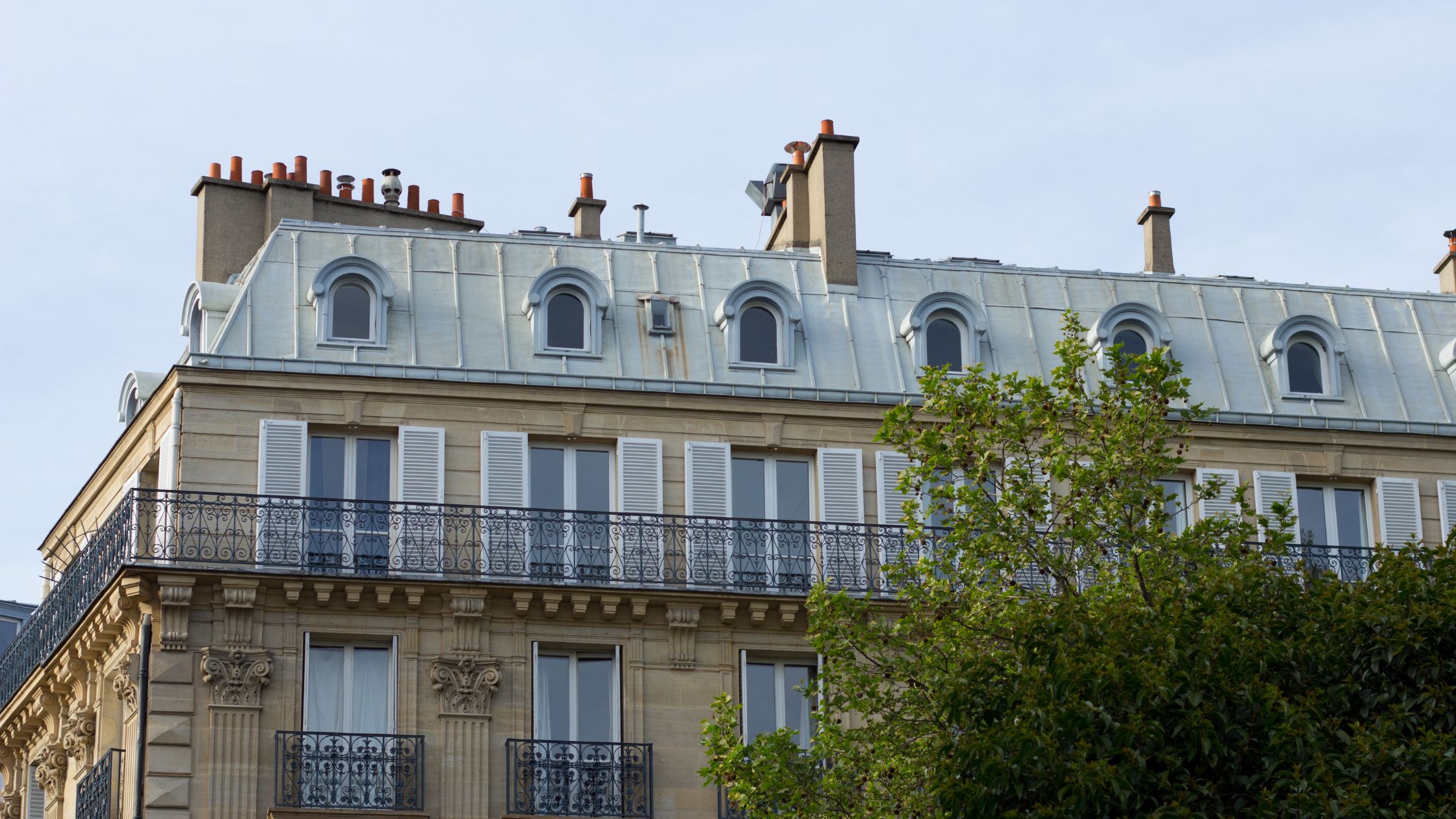
Paris housing stock is old. Most apartments are in buildings constructed between the 1850s and the 1970s, with original or partially renovated plumbing. Lead, copper, galvanised steel, cast iron and modern PER pipes often coexist in the same building, each ageing at different rates and connecting at vulnerable joints.
When a hidden leak starts, the first signs are subtle: a slightly warmer water bill, a mark on the ceiling of the apartment below, a damp smell that never disappears, or paint that peels in a single corner. The leak itself may be inaccessible without opening a wall or breaking floor tiles.
How non-destructive leak detection works
Modern leak detection no longer means smashing walls. A qualified plumber uses several complementary technologies to pinpoint the source without damaging your home.
Acoustic detection
A sensitive microphone amplifies the sound of pressurised water escaping from a pipe. The technician moves the probe along walls and floors to find the loudest point, which corresponds to the leak.
Thermal imaging
A thermal camera shows temperature differences invisible to the eye. Hot water leaks appear as warm patches; cold water leaks as cool patches. This works particularly well for finding heating pipe leaks.
Tracer gas
A non-toxic, lighter-than-air gas is injected into the pipe under pressure. The gas escapes wherever the pipe leaks and rises through walls or floors. A detector at surface level pinpoints the exit point.
Endoscopic camera
For accessible cavities (under sinks, in technical ducts), a flexible camera with its own light gives a direct view of the pipework. This is the most precise method when access exists.
What it costs in Paris
A non-destructive leak detection intervention in Paris typically costs between 150 and 400 EUR including VAT, depending on the complexity of the job and the techniques used. A simple detection on a visible pipe is at the lower end; a complete investigation involving multiple methods is at the upper end.
How insurance coverage works
Since the 2020 reforms of French home insurance law, almost all home insurance contracts include a 'leak detection' coverage. Here is how it typically works.
The detection itself is reimbursed
If you have a water damage incident (visible leak, neighbour reporting an infiltration, abnormally high water bill), your insurance will reimburse the cost of professional leak detection, usually up to a ceiling of 1,500 to 5,000 EUR depending on the contract.
What you need to do
- Declare the water damage to your insurer within five working days
- Request authorisation before booking detection (some insurers require pre-approval)
- Use a registered plumber who can provide a detailed intervention report
- Keep the original invoice and the detection report
What the report must contain
A professional leak detection report includes: the address and date of intervention, the techniques used, photos of the affected area, the precise location of the leak, the estimated cause, and recommendations for repair. This document is essential for the insurance reimbursement.
Repair after detection
Detection is the first step. Once the leak is located, you need a repair. This is sometimes covered by the same insurance, sometimes not, depending on the cause of the leak and your contract. A plumber will give you a separate quote for the repair after detection.
The cost of repair varies widely. A simple joint replacement after detection may cost 80 to 200 EUR. A pipe rerouting in a wall may cost 400 to 1,500 EUR. The repair quote is provided after detection, never before.
Reseau Tubulure: leak detection and insurance liaison
Reseau Tubulure provides non-destructive leak detection across Paris and the inner suburbs. We use all four detection methods described above and tailor the approach to your situation.
- Detection report compatible with all major French insurers
- Pricing communicated before the intervention
- Repair quote provided immediately after detection
- Assistance with insurance liaison if needed
- Available 7 days a week including evenings
Frequently asked questions
How long does a leak detection intervention take?
A typical intervention lasts 1 to 3 hours depending on complexity. For very hidden leaks in large apartments, it may take longer.
Will my insurance cover the leak detection even if no leak is found?
This depends on your contract. Most insurers cover the detection even if the result is negative, as long as there is evidence of a real water issue. Read your contract or ask your insurer in advance.
Is leak detection the same as plumbing inspection?No. Leak detection targets a specific active leak. Plumbing inspection is a broader assessment of the state of your installation, often performed before a property purchase.Can a leak detection report be used to negotiate with a landlord or property manager?
Yes. The report provides factual proof of the issue and its cause, which is useful for any negotiation regarding repair responsibility.