

Frozen Pipes in Paris: How to Prevent Freezing and React Quickly
Frozen Pipes in Paris: How to Prevent Freezing and React Quickly
Every winter, a cold snap is all it takes to turn a pipe into a block of ice. In Paris and the inner suburbs, the problem mainly affects exposed pipes: meters in a courtyard, facade-mounted risers, pipes in unheated basements or outbuildings. A frozen pipe is more than a temporary inconvenience. If the ice causes the pipe to burst, the thaw triggers a leak that can flood a home in minutes. In this guide, you will learn why your pipes freeze, how to thaw them without making things worse, and most importantly how to prevent the problem before it happens.
Why Pipes Freeze, Even in Paris
Many people think frozen pipes only happen in the mountains. In reality, just a few days below zero are enough to freeze a poorly protected pipe. Water sitting in a pipe exposed to cold begins to crystallize. As it freezes, it expands by about nine percent. This expansion puts enormous pressure on the pipe walls and fittings, eventually causing an invisible crack that only reveals itself during the thaw.
In Paris, several situations come up repeatedly. Water meters located in a courtyard or unheated utility room are the first to be exposed. Pipes running through a basement, crawl space, or garage also suffer from the cold. Pipes running along a poorly insulated exterior wall are equally vulnerable. Finally, homes left empty during winter holidays with the heating turned off become prime targets for freezing. The risk is far from theoretical: it affects single-family homes in the Hauts-de-Seine and Val-de-Marne just as much as older Parisian apartments, where part of the plumbing runs through unheated areas.
Which materials freeze fastest?
Not all pipes react the same way. Copper, an excellent conductor, transfers cold quickly and therefore freezes easily, but it resists expansion well. PVC and plastic pipes freeze slightly slower but become brittle in extreme cold and crack more cleanly. Old lead or cast iron pipes, still found in some Parisian buildings, are particularly fragile at the joints. If your plumbing is old, a replacement of lead or cast iron pipes is an investment that greatly reduces the risk of freezing and leaks.
How to Recognize a Frozen Pipe
Spotting the freeze in time allows you to act before damage occurs. Here are the signs that should alert you:
No water flows at all when you turn on a tap, even though the rest of the home has water.
The flow is very weak or water comes out in spurts.
A visible section of pipe shows frost or icy condensation.
The pipe is unusually cold to the touch and sometimes slightly swollen.
An unusual smell rises from the drains, a sign that the waste pipe is blocked by ice.
If only one water point is affected, the freeze is probably localized to a specific section, usually the most exposed one. If the entire home has no water, the blockage is further upstream, typically near the meter or main supply line. This distinction matters: it tells you whether you can handle it yourself or need to escalate the issue to the building management.
What to Do Immediately If a Pipe Is Frozen
Acting quickly and calmly makes all the difference. The goal is to thaw the area gently, without causing thermal shock or a rupture. Here is the procedure, step by step.
Step 1: Shut off the water supply
First, locate your main shut-off valve and close it. This precaution is essential: if the pipe already has a micro-crack, the thaw will release pressurized water and you want to be able to control that flow. Knowing where your shut-off valve is located is a useful habit year-round, not just in case of freezing. Take the time today to find out where it is in your home.
Step 2: Open the affected tap
Slightly open the tap downstream from the frozen area. By leaving the tap open, you give the water and melting ice a path to drain. This reduces pressure inside the pipe during thawing and significantly lowers the risk of bursting. A trickle of water starting to flow is the first sign that the thawing is working.
Step 3: Warm the frozen area gently
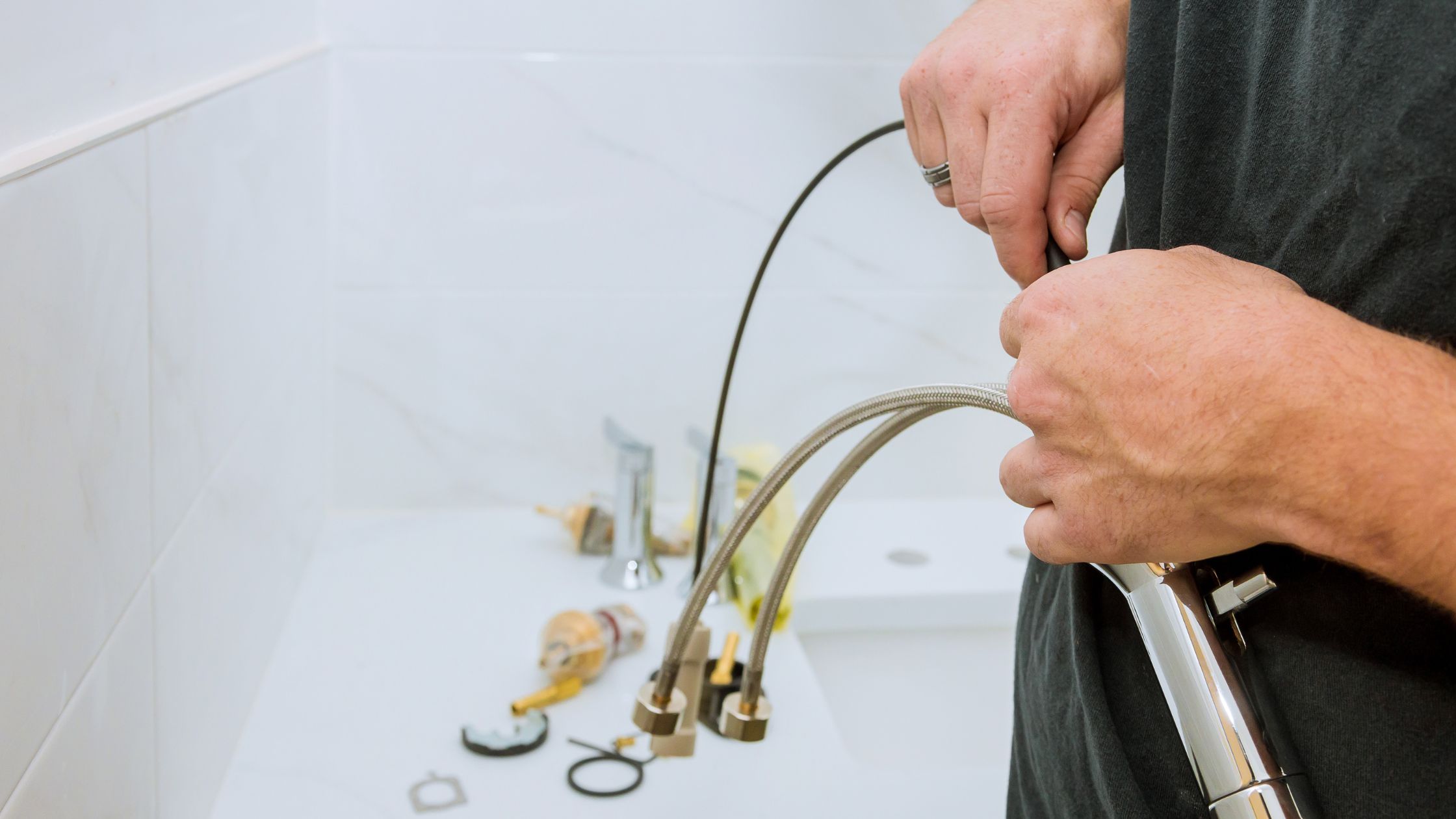
Always start warming from the tap side, then work your way progressively toward the most frozen area. You can use a hair dryer, an electric heating tape designed for pipes, or cloths soaked in hot water wrapped around the pipe. The key word is patience: slow, steady warming prevents the thermal shock that would crack the metal or plastic. Expect it to take thirty minutes to an hour depending on the thickness of the ice.
Step 4: What you should never do
Certain methods make things worse and are dangerous. Never heat a pipe with an open flame, blowtorch, or burner: the fire risk is real and the sudden heat causes the pipe to burst. Do not pour boiling water directly on the pipe either, as it causes thermal shock. Finally, never force a stuck tap, as you risk breaking the mechanism and adding a problem on top of another.
If you cannot locate the frozen area, if the pipe is inside a wall or an inaccessible duct, or if water does not return after your attempts, it is time to call a professional. Our teams respond to emergencies, including on weekends, through our 7-day emergency service. A quick diagnosis is better than a pipe that bursts overnight.
The Real Danger: Pipes That Burst During the Thaw
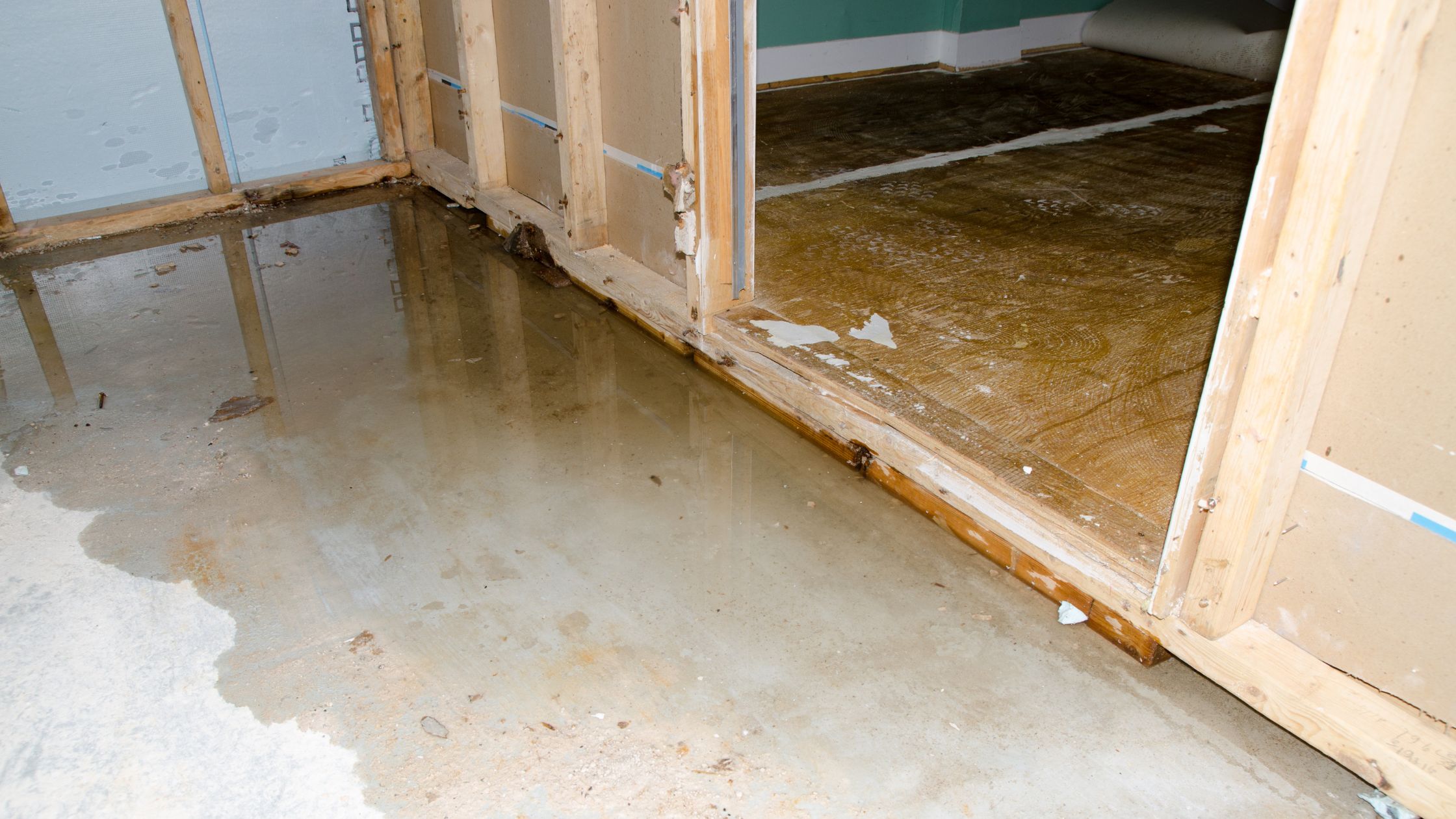
The most critical moment is not the freeze itself, but the thaw. As long as the water is trapped in ice, the leak remains contained. As soon as the ice melts, water escapes through the crack created during freezing, often at a weakened fitting or elbow. This is when the heaviest damage occurs, sometimes several hours after everything seemed back to normal.
A burst pipe can release several hundred liters of water in a short time. In a Parisian apartment building, water flows down from floor to floor and the disaster quickly becomes a building-wide problem affecting multiple units. If you notice a leak during the thaw, shut off the water immediately and locate the source. Our article on when to call an emergency plumber helps you assess the severity of the situation. And if water has already reached the walls or floors, check our advice on how to handle water damage in a Paris apartment, including filing a claim with your insurance.
How to Prevent Frozen Pipes Before Winter
The best intervention is one you avoid entirely. A few simple steps taken before the first cold spell will protect your plumbing long-term and spare you an emergency in the middle of the night.
Insulate exposed pipes
Identify all pipes located in unheated areas: basement, garage, courtyard, attic, outbuildings. Wrap them with foam insulation sleeves, available at hardware stores and easy to install in minutes. Pay special attention to outdoor taps and meters, which are the most vulnerable points. For a garden tap, remember to shut off its indoor supply and drain it before winter.
Maintain a minimum temperature
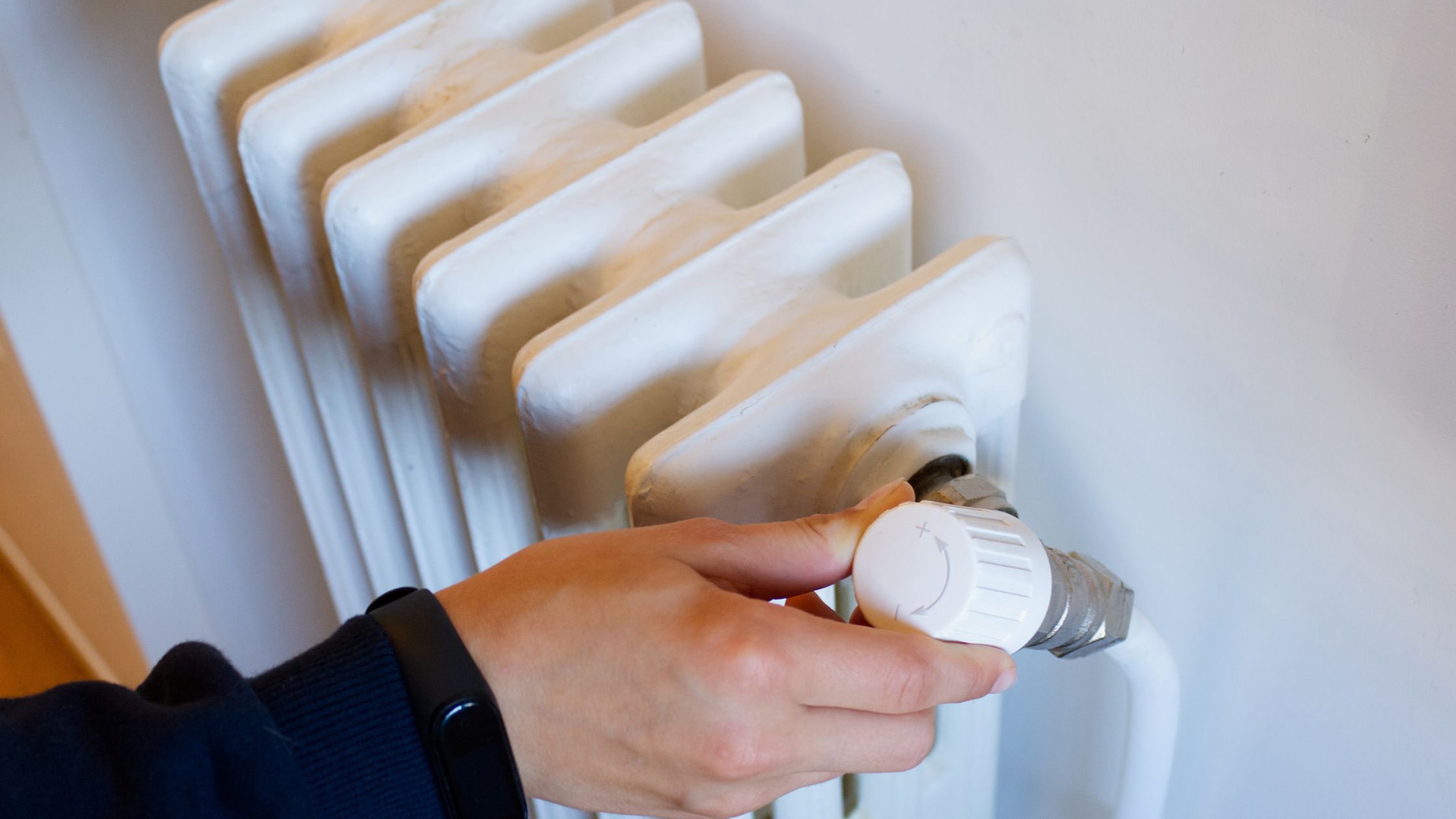
Never turn the heating off completely in winter, even in rarely used rooms. Keeping the temperature at least eight to ten degrees in the home is usually enough to protect the indoor plumbing. If your heating system is showing signs of weakness, an annual boiler service before winter ensures it will hold up during extreme cold spells. A clogged system heats poorly and leaves cold spots: our heating system flushing service can restore efficiency to a tired system and prevent certain rooms from dropping below the critical threshold.
Before an extended absence
Heading away for the holidays or several days in winter? Take three precautions. First, keep the heating in frost protection mode rather than turning it off. Second, if the home will be empty for a long time and is not heated, shut off the main water supply and drain the system by opening the taps to empty the pipes. Third, leave interior doors open to allow heat to circulate. These steps prevent both freezing and unpleasant surprises upon return, and they align with the best practices we detail for non-resident property owners in Paris.
Check for leaks after the thaw
Once the water is back, do not consider the incident closed. A crack formed during the freeze can remain discreet for the first few days, then turn into a slow leak. Monitor your water meter: if it keeps running with all taps closed, a hidden leak is present. Also inspect the areas around previously frozen fittings, looking for traces of moisture or drips. At the slightest doubt, our guide to detecting an invisible water leak gives you the complete method, and our technicians can perform a precise search without breaking walls.
Building Management and Common Areas: Who Is Responsible
In a Parisian apartment building, the question of responsibility comes up often. As a general rule, pipes located inside your unit are your responsibility, while risers and common area networks fall under the building management. When a pipe freezes at the shared meter or in a common utility shaft, it is up to the property manager to arrange the intervention.
If in doubt, do not face the problem alone. We regularly work with property managers and building administrators, and we help quickly identify the source of the freeze and the right point of contact. You can contact us directly for an initial assessment, even before knowing who will cover the costs.
When to Call a Plumber
You can handle a mild, localized freeze on an accessible pipe yourself. However, certain situations require a professional without delay:
The frozen pipe is embedded in a wall, floor, or inaccessible duct.
You notice a leak or seepage during the thaw.
Multiple water points have lost supply at the same time.
The freeze is located near the meter or main supply line.
Your thawing attempts have produced no results after an hour.
In all these cases, a swift intervention limits the damage and the final cost. To get an idea of the budget for an intervention, check our pricing page which details our services with full transparency and no hidden fees.
Frequently Asked Questions About Frozen Pipes
At what temperature does a pipe freeze?
An exposed pipe can begin to freeze as soon as the temperature around it drops below zero degrees for an extended period. The risk increases significantly after several consecutive hours below zero, especially at night and for uninsulated pipes.
How long does it take to thaw a pipe?
It depends on the thickness of the ice and the accessibility of the pipe. A gentle thaw typically takes between thirty minutes and an hour. If nothing happens after an hour, the frozen area is probably inaccessible and professional intervention becomes necessary.
Does my insurance cover water damage caused by freezing?
Most home insurance policies cover water damage, including damage caused by freezing, but conditions vary. A clear intervention report facilitates the claim process. We systematically provide this type of document after our interventions.
In Summary
A frozen pipe is far easier to prevent than to repair. Insulate your exposed pipes, maintain a minimum temperature, and adopt the right habits before each winter absence. If freezing occurs despite your precautions, shut off the water, thaw gently, and never risk using an open flame or thermal shock. And if the situation is beyond your control, it is better to call early than to repair water damage later.
Reseau Tubulure operates in Paris and the inner suburbs, 7 days a week, to thaw, repair, and secure your pipes. Facing a freezing emergency, do not waste time: contact us now and a plumber will call you back promptly.
Contact Réseau Tubulure
Need a plumber or air conditioning specialist in Paris? Réseau Tubulure responds quickly throughout Paris and Île-de-France.