

Replacing Lead and Cast Iron Pipes in Paris

In old Parisian real estate (Haussmann buildings, pre-1950), the plumbing network is a heavy legacy. Drinking water pipes are often lead (for supply) and drainage columns in cast iron. These materials, though resistant, have become obsolete, dangerous and sources of constant problems.
Their replacement is a major, costly project, but necessary for health, property value and condominium peace of mind. At Réseau Tubulure, we're experts in network rehabilitation in old buildings. Here's everything you need to know.
There are two solutions: replace the pipes, or renew some drain pipes from the inside by relining (chemisage), without breaking walls. Our everyday plumbing service in Paris surveys your pipework and carries out the work, in your flat as well as in the building's common parts.
Lead: A Public Health Issue
Lead is toxic (saturnism) and banned for drinking water networks since 1995.
Replacement Obligation
If you own property with lead pipes (often the case between building meter and apartment), you have legal obligation to replace them. Water stagnates in these pipes, and lead particles dissolve, increasing risks.
How to Know if Your Pipes are Lead?
- Visual: Lead is gray, matte, soft (you can easily scratch it), and connections are thick.
- Testing: You can have water analyzed by a laboratory to measure lead level.
- Plumber Expertise: During intervention, our technician can identify your pipe nature.
Cast Iron: Drainage Problems
Cast iron was the standard for waste stacks (WC and wastewater drainage) in buildings from 1880 to 1950.
Dangers of Old Cast Iron
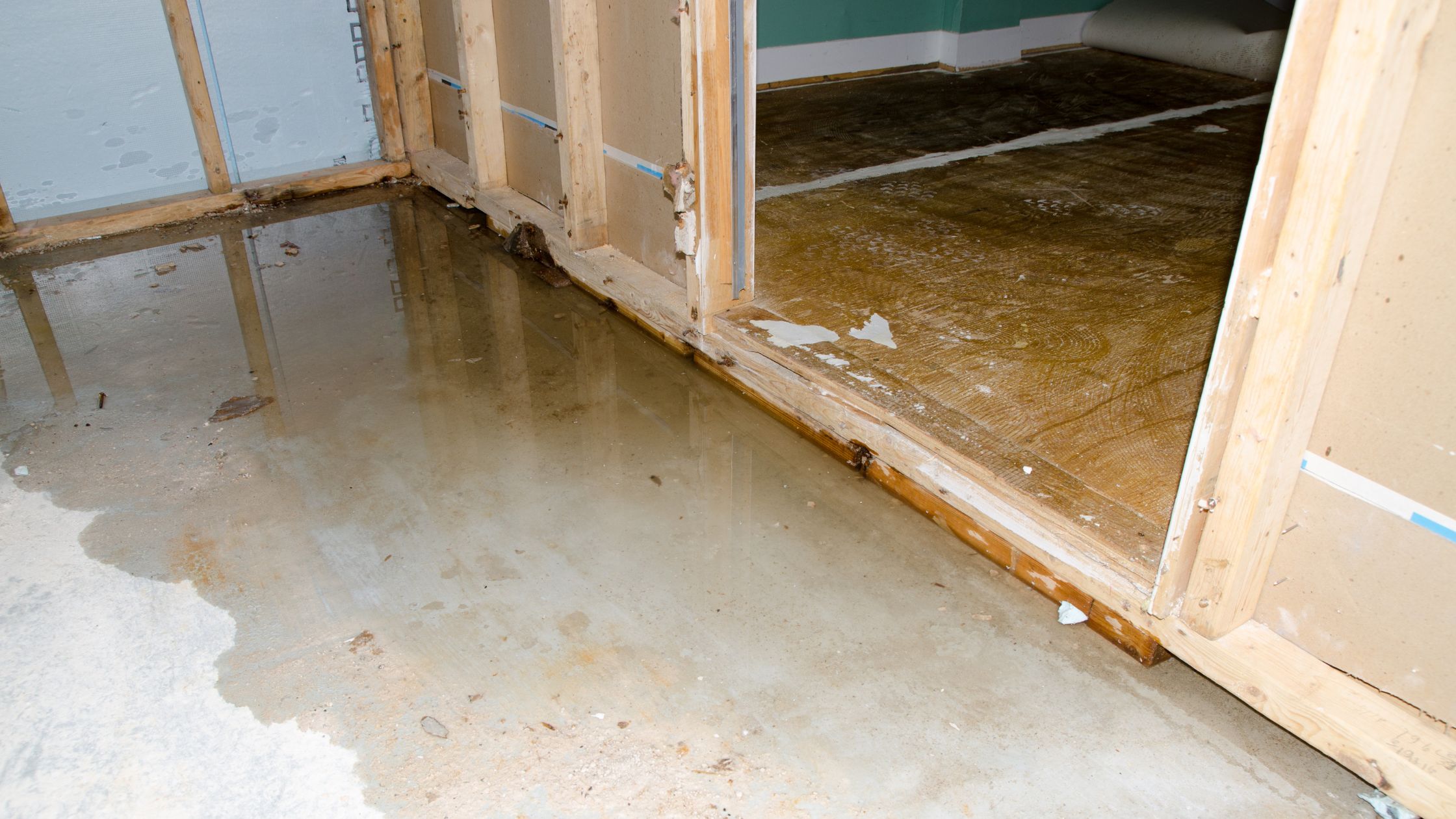
- Corrosion and Cracks: After 80 years, cast iron rusts and cracks, causing leaks in technical shafts (inaccessible) and water damage between floors.
- Recurring Blockages: Rust inside cast iron makes walls rough, tartar and grease stick, causing chronic blocked pipes requiring regular unclogging.
- Noise: Cast iron columns are extremely noisy during water drainage.
Discover our plumbing renovation services
Noise in the pipes when you turn on a tap
In an old building, pipe noises are common and they do not all mean the same thing:
- Whistling while the water runs: a passage narrowed by scale or corrosion, a half-closed stopcock or pressure that is too high.
- A sharp bang when you close a tap: water hammer, caused by fast closing and high pressure. See our article on water hammer.
- Vibration or humming: a loosely fixed pipe rubbing against a wall or floor.
- Knocking when the hot water arrives: a pipe expanding while held tight in a sleeve or by an over-tightened clip.
On old lead or galvanised steel pipework, whistling that gets worse over time often means the bore has narrowed with deposits: one more reason to consider replacement.
Replacement Project: Steps and Materials
Replacement requires coordination with condominium (common areas) and City Hall (external connection).
1. Choosing New Materials
- Supply (Drinking water): We use Copper (very reliable) or PEX/Multilayer (cheaper and faster to install, ideal for embedded renovations).
- Drainage (Waste Stacks): Replacement with PVC (Poly-Vinyl Chloride). It's light, smooth (anti-blockage), durable and much quieter than cast iron.
2. Cost and Logistics
The pipe replacement cost is high because it often involves breaking walls or false ceilings to access technical shafts.
- Demolition/Access Phase: Most expensive and messy.
- Plumbing Phase: Installing new networks and new floor connections.
- Renovation Phase: Closing, filling, painting (outside our scope, but we coordinate).
3. Financial Aid
For lead elimination in common areas, certain local aids or National Housing Agency (ANAH) can be mobilized.
Important certifications for choosing a plumber
Relining (chemisage): renewing a pipe without replacing it
Relining means inserting a resin-soaked liner into an existing drain pipe, which hardens to form a new pipe inside the old one. It is mainly used for cracked or porous cast iron drains and stacks, when the pipe still has a usable shape: it avoids opening walls, ceilings and common parts. It does not suit every case: a crushed or badly deformed pipe needs replacing, as does a lead drinking water pipe. The price depends on the diameter, the length to treat and access, and is set after a camera inspection. For guide prices, see our prices.
Réseau Tubulure Expertise
Our strength lies in project management:
- 3D Diagnosis: Using cameras and probes to map the old network before breaking everything.
- Building Manager Coordination: We manage communication with co-owners and managers to minimize inconvenience.
- Ten-Year Warranty: This type of work is covered by ten-year warranty, proof of our seriousness.
Conclusion: A Long-Term Investment
Don't underestimate consequences of old lead or cast iron piping. Acting means investing in your property's health. For precise quote and feasibility study for your Parisian building or apartment, contact our experts.
Have your old pipes inspected
Lead pipes, a leaking cast iron stack or noisy pipework: our plumbers inspect the system, with a camera if needed, and quote for replacement or relining. Réseau Tubulure works in Paris and the inner suburbs (92, 93, 94), 7 days a week, 24 hours a day. Many of our plumbers speak English.
- Phone: +33 1 89 70 15 36 (01 89 70 15 36 from a French phone)
- Form: contact us
- WhatsApp: from the button on the site
See our everyday plumbing service in Paris. See also our prices.