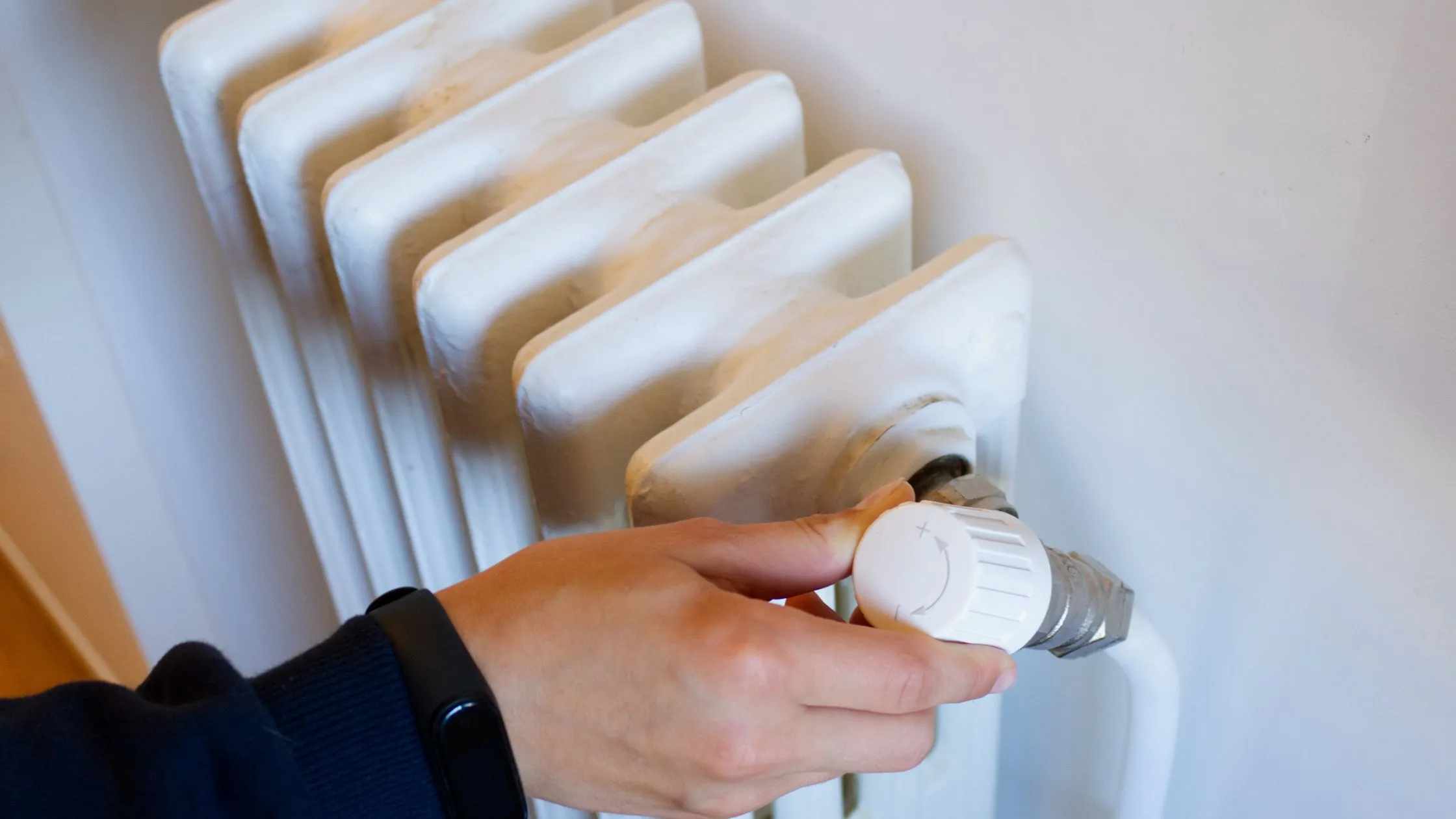


Leaking water heater in Paris: top or bottom, what to do
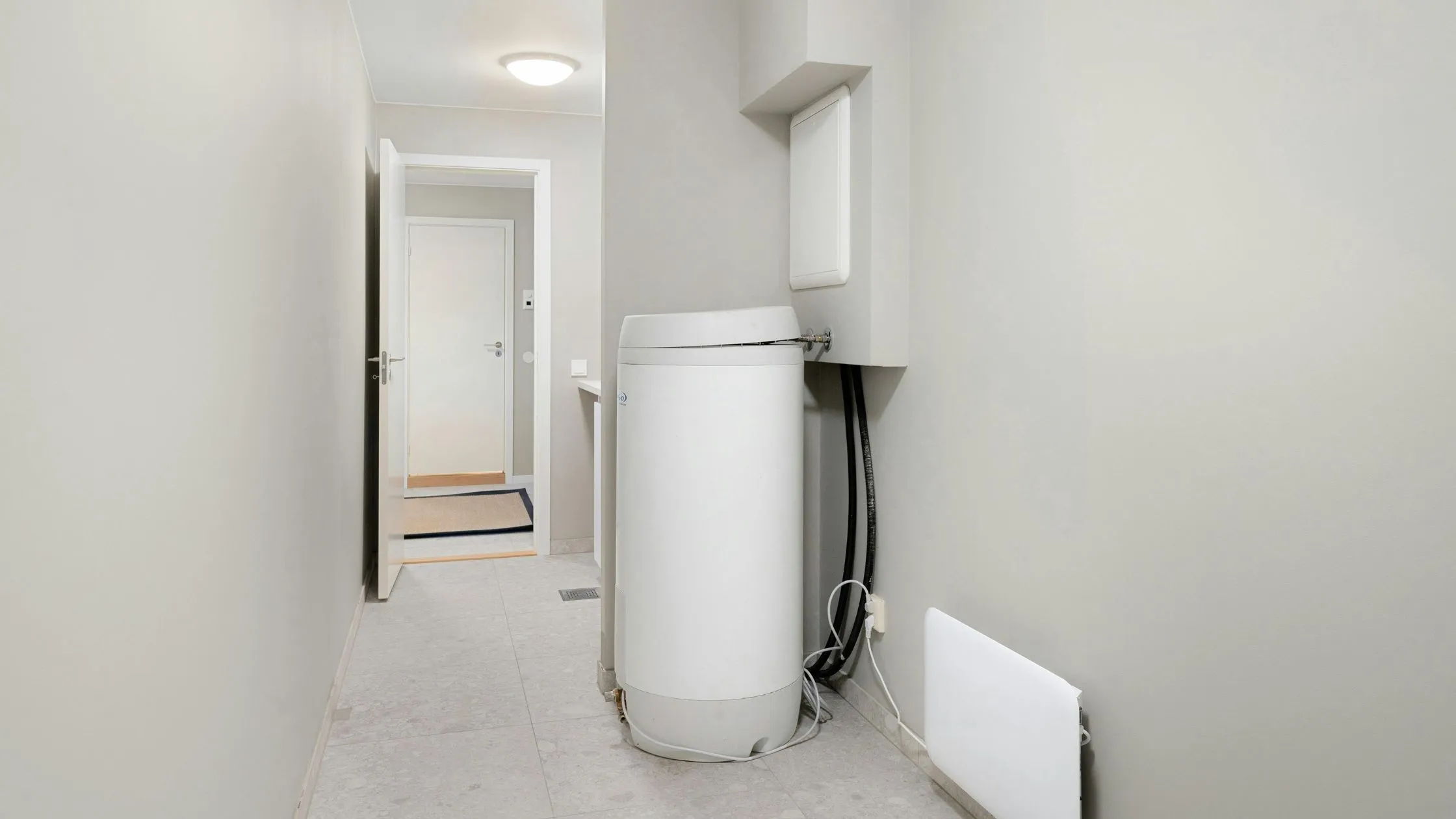
A leaking water heater can be repaired in most cases: a fitting, the flange gasket or the safety valve is to blame far more often than the tank itself. Only a tank rusted through means replacing the unit. Everything depends on where the water is coming from, and that takes a few minutes to check.
For a repair or a replacement, see our water heater repair and replacement service in Paris. In France the electric storage water heater is called a chauffe-eau, ballon or cumulus: all three mean the same thing.
Three things to do straight away
- Switch off the power to the tank at the water heater breaker in the electrical panel. Water and the electrical parts must not meet.
- Close the cold water inlet: the tap on the safety valve assembly (groupe de sécurité) under the tank, or above it on a horizontal tank. If the leak continues, close the main stopcock of the flat.
- Protect and warn: a bowl, towels, and a word with the neighbour below. In older Paris buildings, water goes through floors quickly.
Do not open the drain to "empty the leak": a 100 or 200-litre tank drained in a hurry floods the room, and the water comes out scalding if the tank heated overnight.
Where is the water coming from? The paper towel test
Dry the whole tank and the pipes. Then run a dry sheet of paper towel over each fitting, from top to bottom, and note where it gets wet first. The highest wet point is the source: water then runs down the casing and is easily misleading. On a vertical tank, a leak "from the bottom" often starts at the top.
Also rule out condensation: in summer, the cold water pipe can bead and drip with no leak at all. Condensation is even along the whole pipe, while a leak starts from one precise point.
Water heater leaking from the top
On a vertical tank, the top carries the hot water outlet and sometimes the cold inlet. Three causes come up:
- A loose fitting or a worn seal on the hot water outlet or a flexible hose. This is the simplest leak: tighten or fit a new seal.
- A corroded dielectric union. This part separates the copper pipe from the steel tank to prevent corrosion. Over time it rusts and seeps. It can be replaced without changing the tank.
- A tank seeping at the top, less often: rust marks around the connections, water coming out of the casing itself.
Is a leak from the top dangerous? Not in itself, but the water runs down towards the electrical cover at the bottom of the tank. That is why the power goes off first.
Water heater leaking from the bottom
The bottom of the tank is where most leaks come from.
The safety valve
It drips while the tank heats, then stops: that is normal, it releases the water that expands as it heats. It runs all the time: it is scaled up or the incoming pressure is too high. The full explanation is in our article on the dripping water heater safety valve.
The flange gasket
The flange is the plate under the bottom electrical cover that holds the heating element. Its gasket compresses and ages, especially after an element has been replaced. Typical sign: water coming out of the bottom cover with no rust on the tank. The gasket can be replaced, but the tank has to be drained. Do not remove the cover yourself: it gives access to live terminals.
The drain
On most installations, the tank drains through the safety valve assembly. If water comes out there with the lever closed, the valve is fouled or worn. The assembly is replaced without touching the tank.
A tank rusted through
Water seeping from the casing, rust streaks, a puddle that comes back while the fittings are dry: the tank has corroded through. It cannot be repaired. The water heater has to be replaced, and quickly, because a small hole in a pressurised tank can suddenly get bigger.
The Paris problem: wall-hung tanks and false ceilings
In many Paris apartments, the tank hangs above the toilet, sits in a bathroom false ceiling or high up in a cupboard. Two consequences:
- Leaks are spotted late. Water collects in the false ceiling or behind boxing before it shows, often in the flat below. A stain on the ceiling under a bathroom should make you think of the water heater.
- The bracket matters as much as the leak. A full tank weighs as much as its water on top of its own weight. If the leak has rusted the brackets or damaged a partition wall, fitting a new tank sometimes calls for a stronger support.
For a tank fitted high up or in a false ceiling, ask for a drip tray connected to the waste pipe: it does not stop a leak, but it protects the flat below.
Repair or replace: prices in Paris
A fitting, a dielectric union, a safety valve or a flange gasket can be repaired. A tank rusted through has to be replaced. Réseau Tubulure's public prices, excluding VAT:
- Small repair (seal, accessible fitting): EUR 115 to 155.
- Tank drain and service: EUR 380.
- 80-litre tank supplied and fitted, with a new safety valve and removal of the old unit: EUR 1,090 to 1,350; 150-litre tank wall-hung or fitted high up: EUR 1,520 to 1,750.
- Bracket reinforcement, if needed: EUR 250 to 490 extra.
- Call-out charge within Paris: EUR 90.
The exact price is given on site, after diagnosis and before any work. The full list is on our prices page. If the tank is old or has leaked before, read the signs a water heater needs replacing.
If the water has reached a neighbour
Take photos before you clean up, keep the plumber's invoice stating where the leak came from, and report the claim to your home insurer. Our guide water leak: when to call a plumber urgently explains the constat amiable (the joint water damage report filled in with the neighbours). If you rent, also tell your landlord in writing: replacing a worn-out tank is generally the landlord's cost.
Frequently asked questions
Is a leaking water heater dangerous?
The main risks are water reaching the electrical cover and water damage to the neighbours. Switch off the water heater breaker and the cold water inlet, then call a plumber. A tank that is clearly leaking from the casing must be replaced quickly.
My water heater is leaking from the top: what should I do?
Switch off the power and the cold water, then find the highest wet point with a paper towel. Most of the time it is a fitting, a flexible hose or the dielectric union, all of which can be replaced without changing the tank.
Can I keep using a leaking water heater?
Not until the source is known. A leak on a fitting can wait for the plumber with the tank switched off. A leak from the tank or the electrical cover means leaving it out of service.
Can the flange gasket be replaced without replacing the water heater?
Yes. The power is cut, the tank drained, the flange removed and a new gasket fitted, usually with a check of the element and the anode at the same time. If the tank is rusted around the flange, replacing the tank makes more sense.
How do I know if the tank has rusted through?
Water comes out of the casing or the bottom cover while the fittings and the safety valve are dry, often with rust marks. A tank that has rusted through cannot be repaired: the water heater must be replaced.
In short
Switch off the power and the cold water, then find the highest wet point. Fittings, the dielectric union, the safety valve and the flange gasket can be repaired. A tank rusted through is replaced. In a Paris apartment, where the tank is often high up or hidden, leaks show late: act at the first sign.
Leaking water heater? Get it repaired
Our plumbers find the source of the leak, repair what can be repaired and give you the price before replacing anything. Réseau Tubulure works across Paris and the inner suburbs (92, 93, 94), 7 days a week, 24 hours a day. Many of our plumbers speak English.
- Phone: +33 6 86 08 78 68
- Form: contact us
- WhatsApp: from the button on the website
Sources: prices from the Réseau Tubulure public price list, October 2026 (prices page), accessed 27 October 2026.