

5 signs that your water heater needs to be replaced

Your water heater is one of the most used appliances in the house. It provides hot water every day for showering, cooking, or washing. However, like any equipment, it wears out over time.
A hot water tank at the end of its life can consume more energy, leak or break down suddenly, causing discomfort and unexpected expenses.
How do you know when it's time to replace it? Here are the 5 most frequent signs that should alert you.
Why should you monitor the condition of your water heater?
Rarely does a water heater fail overnight. The signs of wear appear gradually, often ignored until total failure.
On average, the lifespan of a water heater is 8 to 12 years, depending on the brand, model, water quality, and maintenance frequency.
Neglecting one's condition may result in:
- Excessive power consumption.
- Major leaks and water damage.
- Risk of overheating or complete failure.
Regular control and rapid intervention help to avoid costly repairs or a break in hot water at a critical moment.
Sign 1: The water is no longer hot enough
One of the first signs of a failed water heater is water temperature.
If it becomes lukewarm, irregular or takes much longer to heat up, it is often a sign of a faulty thermostat or a clogged resistor.
Limestone naturally accumulates in the tank, especially in areas where the water is hard.
This deposit insulates the resistor, reduces heating efficiency and increases energy consumption.
When these failures happen again despite repairs, it is better to replace the water heater rather than continue to repair it.
Sign #2: Your water heater is leaking
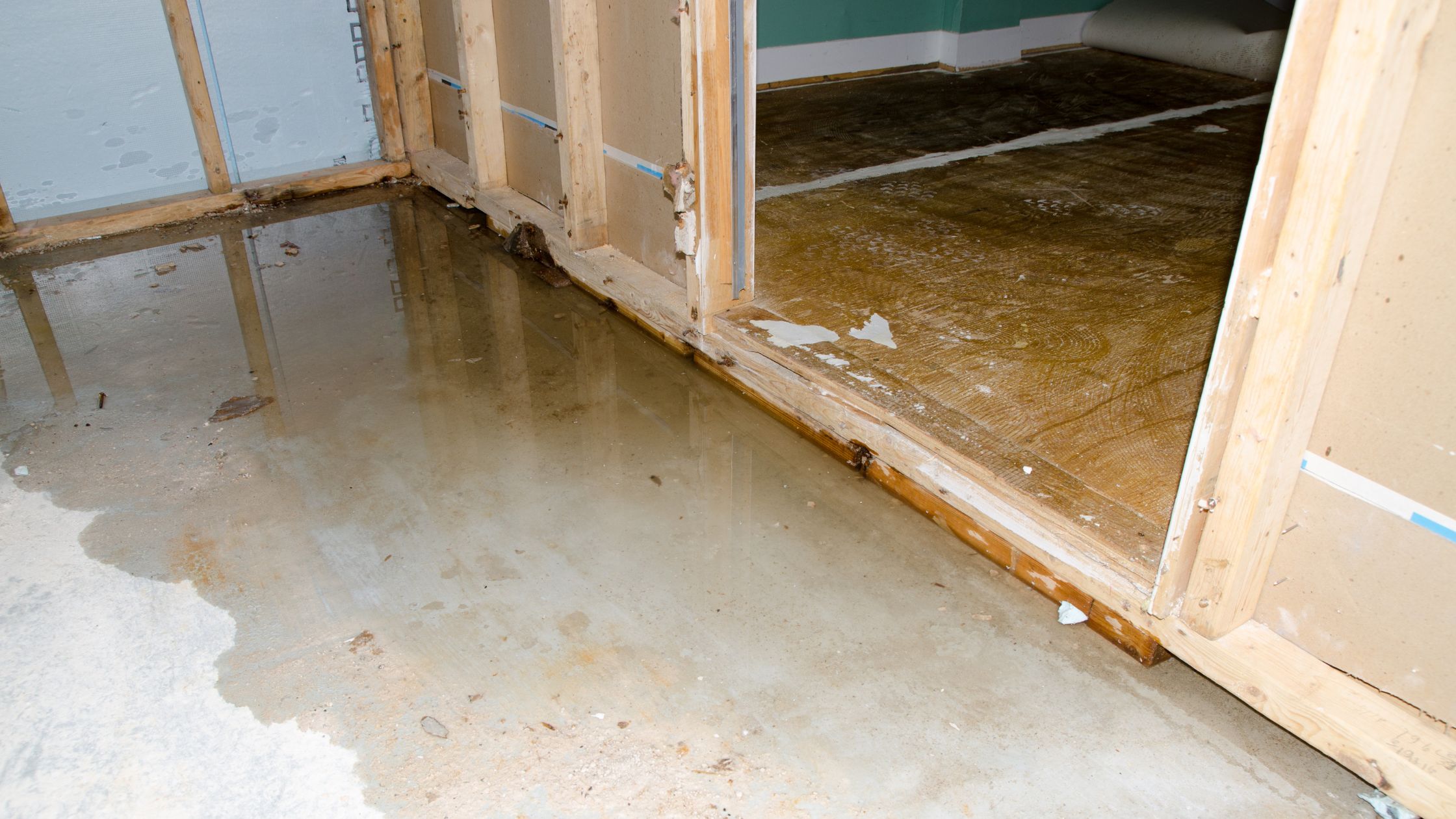
A water leak from the water heater is always a warning sign.
It can come from several causes:
- A tank that is corroded or cracked on the inside.
- A damaged safety valve.
- Poorly-tightened fittings or a worn joint.
A small leak can quickly become a major problem: infiltration, humidity, or even flooding.
If the leak is coming from the bottom of the tank, the tank is probably pierced — and in this case, there is no lasting blockage.
Consideration should be given to a complete replacement of the water heater.
Sign #3: You hear strange noises
A quiet water heater is a healthy water heater.
Snaps, crackles or hums are often due to an accumulation of sediment and limestone at the bottom of the tank.
These deposits heat up and expand, causing bubbles or popping noises.
In addition to the noise discomfort, this reduces the heating performance and tires the resistance.
Professional descaling may temporarily correct the problem.
But if the noise comes back quickly, it means that the device is too dirty and it is better to replace it to avoid overheating or resistance failure.
Sign #4: The water is rusty or cloudy
When hot water turns yellowish, brownish, or contains particles, it is a clear sign of internal corrosion.
This often comes from an oxidized tank or a worn magnesium anode—the part that's supposed to protect the tank from rusting.
Once the tank is corroded, it loses its tightness and becomes fragile.
Even if the cold water remains clear, rust in the hot water circuit confirms advanced wear and tear on the tank.
At this stage, no lasting repair is possible: complete replacement is the only safe and effective solution.
Sign 5: Your electricity bill is rising
An aging water heater often consumes more energy.
Because of scale, deposits and corrosion, the resistor takes longer to heat the water, consumes more and maintains the temperature with difficulty.
Result: the bill goes up while your usage remains the same.
Replacing your water heater with a recent model allows you to:
- Reduce electricity consumption.
- Benefit from better thermal insulation.
- Gain comfort thanks to faster and more stable heating.
👉 Request a water heater replacement quote in Paris
When should you replace rather than repair?
The decision depends primarily on the age and overall condition of your device:
- If the water heater is less than 5 years old, a repair may suffice (replacing the thermostat, resistor or anode).
- Between 8 and 10 years, everything depends on corrosion and scale.
- After 10 years, it is generally more economical and safe to replace it.
A new appliance consumes up to 30% less energy, and you benefit from a manufacturer's warranty.
In addition, the new models (thermodynamic, solar or instantaneous) are more ecological and silent.
Nevertheless, if the water heater is leaking, then it must be changed.
Why use Réseau Tubulure?
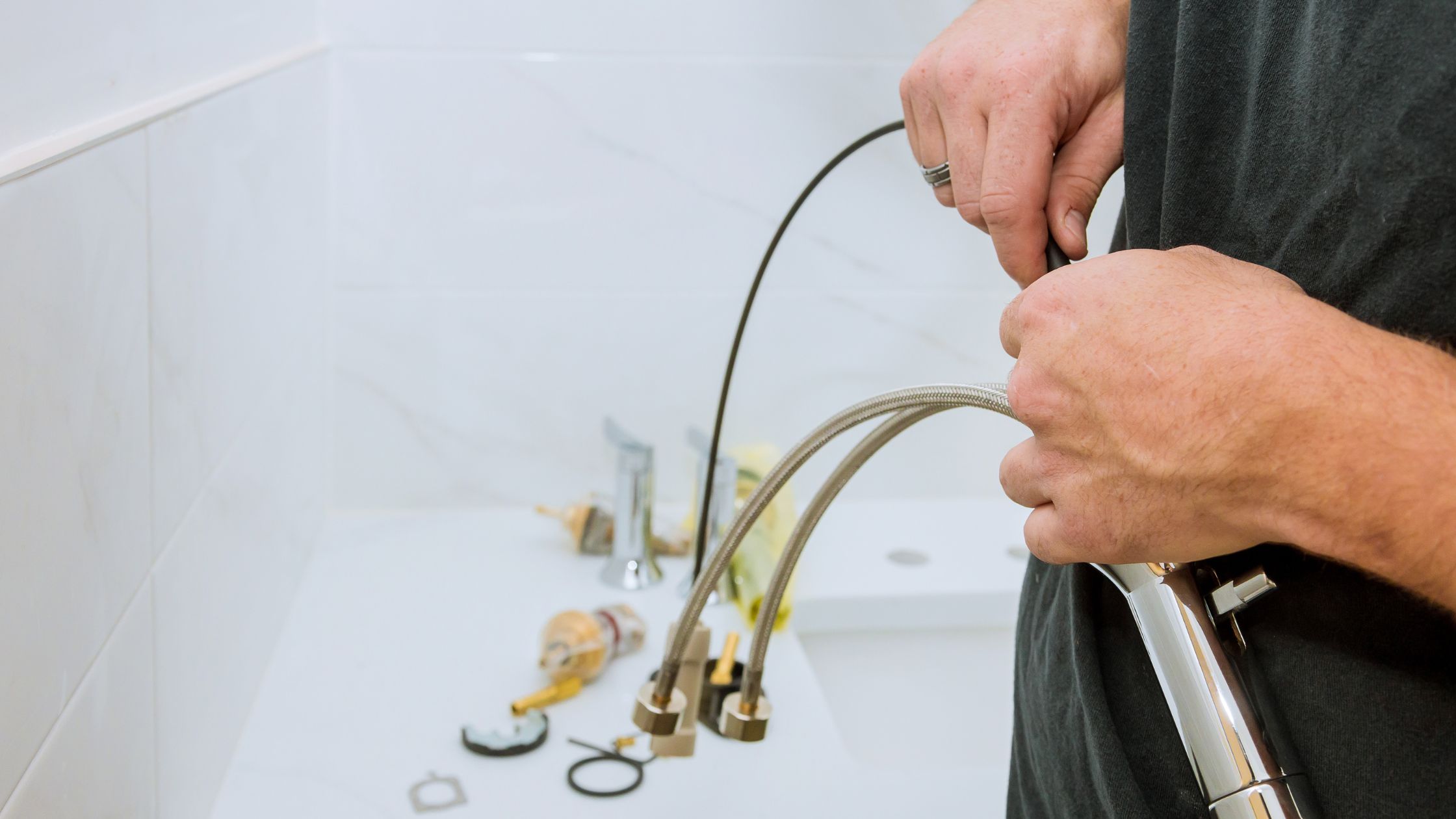
Replacing a water heater is not a simple plumbing operation.
This requires a technical evaluation, compliance with electrical and health standards, and the safety of the hot water circuit.
At Réseau Tubulure, our certified and experienced plumbers ensure:
- The complete diagnosis of your old device.
- The choice of water heater adapted to your home and consumption.
- Fast, clean and guaranteed installation.
- The removal and recycling of the old balloon.
We operate in Paris and Île-de-France, on all brands and capacities: Atlantic, Thermor, Ariston, De Dietrich, and many others.
Discover our plumbing and replacement services
A water heater doesn't always warn before it breaks down, but it does send clear signs:
the water becomes lukewarm, leaks appear, the device makes noise or the bill flies.
In these cases, don't wait for him to let go completely.
Call a professional plumber to diagnose and replace your water heater before it breaks down completely.
Réseau Tubulure Paris accompanies you at every stage — from diagnosis to installation — to guarantee lasting comfort and uninterrupted hot water.
Contact us today for a free water heater replacement quote
FAQ — Water heater: everything you need to know before replacing it
1. What is the average lifespan of a water heater?
The lifespan of a water heater is generally 5 to 12 years, depending on water quality, brand, and maintenance.
In limestone regions such as Île-de-France, tartar accelerates wear and tear.
Regular maintenance extends its lifespan and prevents early breakdowns.
2. Can you repair a water heater instead of replacing it?
Yes, if the failure is caused by a faulty thermostat, resistor, or anode, a repair may suffice.
On the other hand, if the tank is corroded or if the device is more than 10 years old, repair will not be possible.
In this case, it is safer and more profitable to replace the water heater.
3. What are the signs of a water heater at the end of its life?
The most common signs are:
- Warm or irregular water
- A leak under the tank,
- Unusual noises (snapping, crackling),
- Rusty or cloudy water,
- Higher power consumption.
These symptoms indicate that a replacement is needed.
4. How much does it cost to replace a water heater?
The replacement price depends on several factors: tank capacity, brand, technology (electrical, thermodynamic, instantaneous) and complexity of the installation.
On average, it costs between 700 and 1,500€, including installation.
A detailed quote is essential to accurately assess the cost.
Request a free water heater replacement quote
5. Do you have to maintain your water heater regularly?
Yes. Annual maintenance prevents breakdowns, reduces consumption and extends lifespan.
The professional checks the resistance, the safety valve and the anode.
Regular descaling is particularly recommended in calcareous areas.
6. What are the advantages of a new water heater?
A new water heater offers:
- Faster and more stable heating,
- Reduced energy consumption,
- Better thermal insulation,
- Modern options (connectivity, smart adjustment, anti-burn safety).
It is therefore a profitable investment in the long term.