

Plumbing emergencies for English-speaking landlords in Paris: what to know

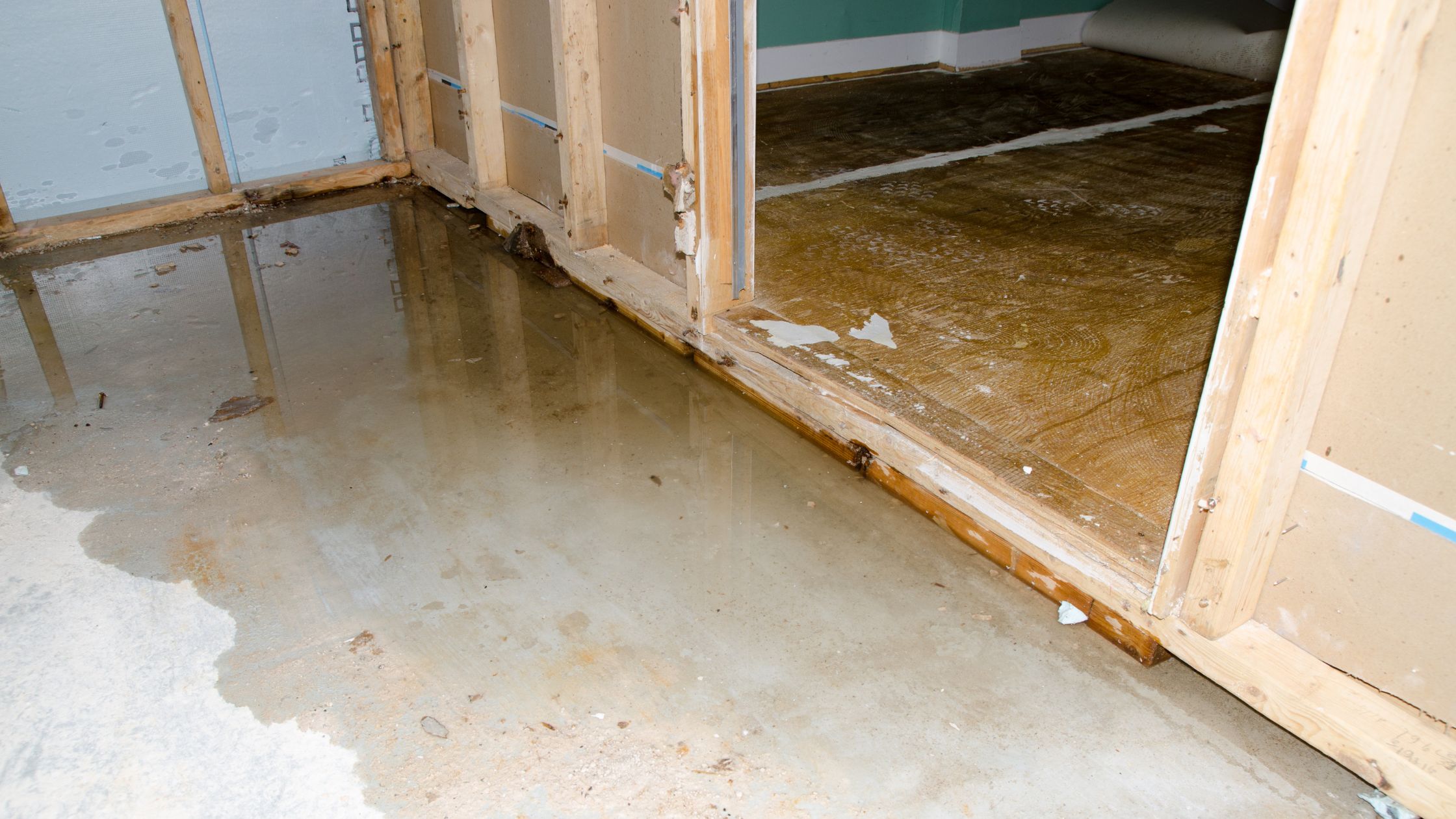
Owning a property in Paris from abroad creates specific challenges when a plumbing emergency strikes. You receive a panicked message from your tenant or property manager, you cannot easily verify what is happening, and you need to make decisions about cost and access in a language you may not fully master. This guide is for English-speaking landlords, expats, and overseas investors managing a Paris property remotely.
Set up before any emergency happens
The single best protection against a plumbing emergency is preparation. Three actions taken in calm time will save you hours of stress during an actual incident.
Identify a trusted plumber in advance
Save the number of a reliable, English-speaking plumbing company in your phone before any issue arises. The middle of a crisis is the worst time to be browsing reviews. Reseau Tubulure handles English-language calls and provides written quotes by email, which is particularly useful for remote landlords.
Provide your tenant with emergency procedures
Make sure your tenant knows where the main water shut-off valve is, where the electrical panel is, who to call for plumbing emergencies, and what their first actions should be. A simple one-page document in their lease or as a magnet on the fridge can prevent thousands of euros of damage.
Confirm your home insurance covers the situation
Check that your home insurance (assurance habitation propriétaire non occupant) covers water damage, leak detection, and rental loss. If you have a managing agent, confirm they hold a copy of the policy and know how to file a claim.
Tenant versus landlord responsibilities
French law distinguishes clearly between tenant and landlord responsibilities. Understanding this prevents disputes during emergencies.
Landlord responsibilities
- Major plumbing repairs and structural work
- Water heater replacement when due to age or wear
- Pipe replacement and renovation
- Annual boiler maintenance (this is the landlord's legal duty even in rental)
- Damages linked to building defects or age
Tenant responsibilities
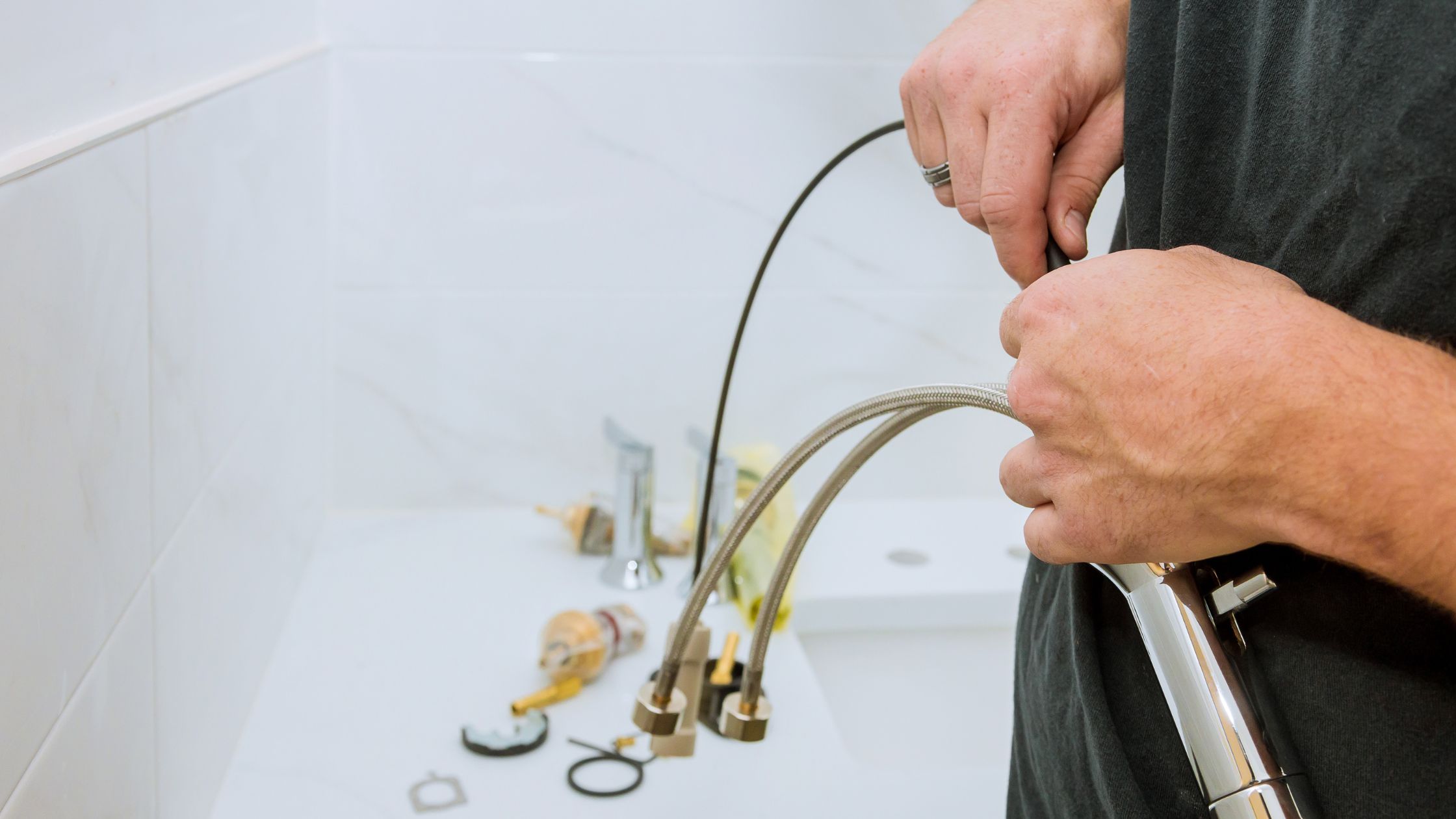
- Routine maintenance: descaling, joint replacement, minor unblocking
- Repairs caused by negligence or misuse
- Reporting issues promptly to limit damage
- Cooperating with technician visits
What to do when your tenant calls about a leak
Step 1: Get the facts
Ask your tenant for photos and a video of the leak. Where is the water coming from? Has the water been shut off? Are there electrical risks? Are neighbours affected?
Step 2: Authorise the right intervention
For a true emergency (active leak, no hot water in winter, flooding), authorise immediate plumber dispatch by email. For non-urgent issues (slow drain, occasional drip), schedule a planned intervention with multiple quotes.
Step 3: Manage the cost
For emergencies, ask for a written quote before work starts. Reseau Tubulure provides quotes by email or WhatsApp, which is faster than waiting for a postal exchange. For amounts above 500 EUR, ask for two quotes if time allows.
Step 4: Document everything
Save all communications, quotes, invoices, photos, and intervention reports. These are essential for insurance claims and for any future dispute with tenants or co-ownership.
Common emergencies and remote handling
Active leak
Immediate: ask tenant to shut off main valve. Within hours: dispatch a plumber. Within days: notify insurance.
No hot water
Step-by-step diagnosis with the tenant (see our guide on hot water troubleshooting). If unresolved, dispatch a plumber the same day.
Blocked drain
Usually non-emergency unless multiple drains affected. Schedule intervention within 24 to 72 hours.
Water damage from above
Tenant reports water dripping from ceiling. Immediate: photo documentation, neighbour contact, syndic notification if co-ownership. Insurance: declaration within 5 working days.
Working with co-ownership when the issue is shared
If the emergency involves common areas (riser pipe, building leak, collective system), responsibility shifts to the co-ownership. As landlord, you need to:
- Contact the property manager (syndic) immediately
- Document the impact on your property
- Coordinate with syndic insurance, not your individual insurance
- Pursue compensation if your tenant has been affected
If the syndic is unresponsive, you may need to authorise a private intervention and seek reimbursement later. Keep all documentation.
The role of a property management agency
Many remote landlords use a property management agency (gestion locative). The agency handles emergencies on your behalf, dispatches plumbers, manages quotes, and reports to you afterwards. The cost is typically 5 to 8 percent of rent, but it removes most of the stress of remote management.
Reseau Tubulure for remote landlords
- English-speaking communication by phone, email and WhatsApp
- Written quotes provided before any intervention
- Detailed reports usable for insurance and tenant records
- Coordination with tenants when you cannot be present
- Available 7 days a week
Frequently asked questions
Can I authorise emergency work without being physically present?
Yes. A written email or WhatsApp message confirming authorisation is sufficient. Reseau Tubulure accepts written remote authorisation.
How do I pay a plumber from abroad?
Bank transfer (SEPA) is the standard method. Some companies accept card payments by phone for emergencies.
What if my tenant refuses to grant access for a planned repair?
You must provide reasonable notice (24 to 48 hours) for non-emergency repairs. For urgent repairs, the tenant cannot refuse access without serious justification. Document the situation in writing if conflict arises.