

Going on Winter Holiday: Shut Off the Water and Prevent Water Damage

Going on Winter Holiday: Shut Off the Water and Prevent Water Damage
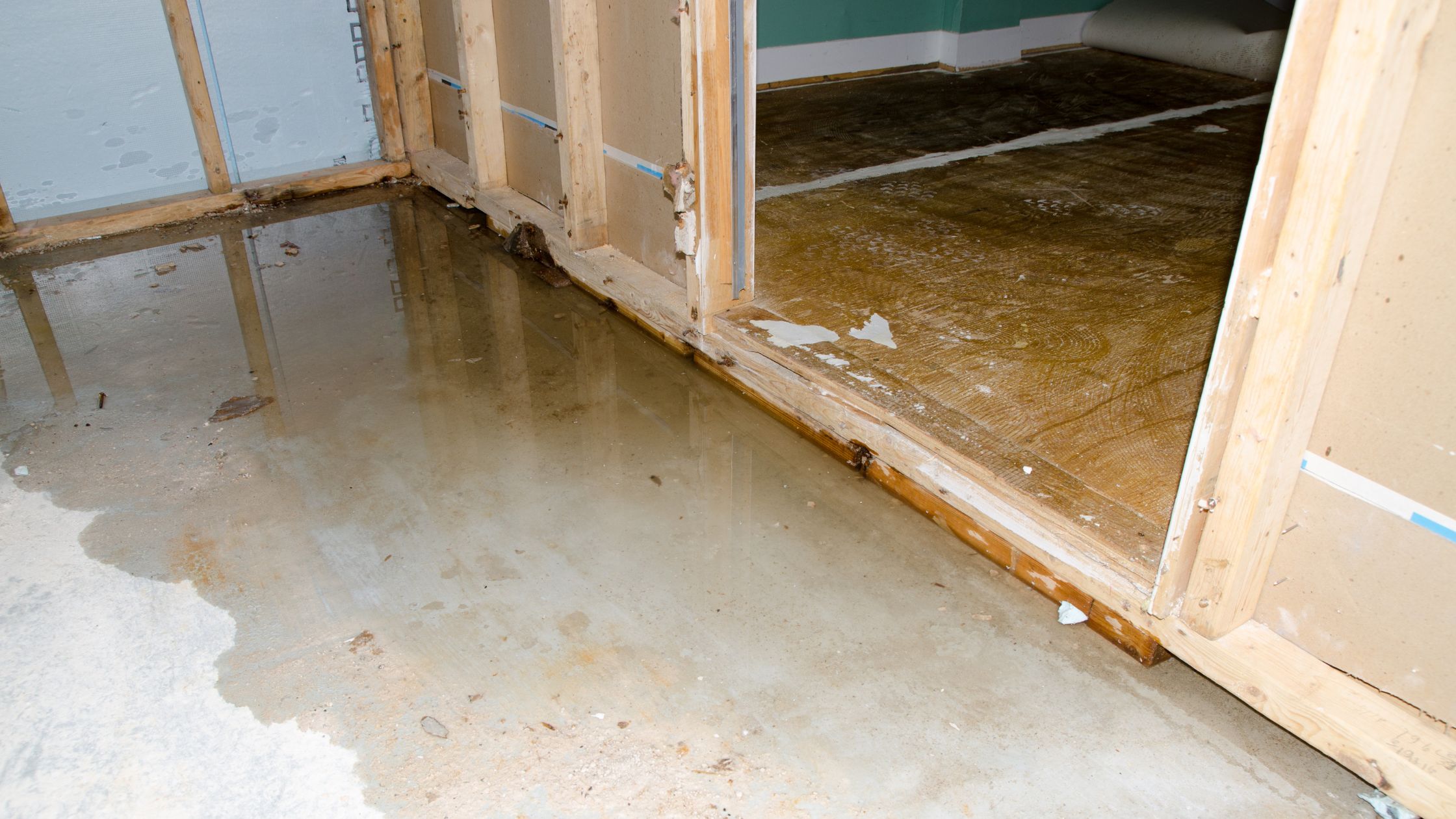
Every winter, Parisians return from holiday to discover a collapsed ceiling, a swollen parquet floor, or a furious neighbor caused by water damage that occurred while they were away. The cause is almost always the same: a home left unattended, without precautions, during a cold spell. Yet shutting off the water before leaving and adopting a few simple habits is enough to eliminate most of the risk. In this guide, we explain what to do, in what order, before you close the door for the holidays.
These precautions take only a few minutes, but they make all the difference. Water damage in an empty home gets worse by the hour, because nobody is there to shut off the supply. When preparing your departure, the plumbing deserves as much attention as closing the windows or adjusting the heating. It is often the item people forget, and it is precisely the one that costs the most when things go wrong.
Why an Empty Home Is More Exposed in Winter
Two risks combine during winter. The first is freezing: an exposed pipe can freeze, expand in volume, and burst, causing a leak when the thaw arrives. The second is standard water damage — a fitting that gives way, a washing machine hose that fails, a gasket that breaks. In an occupied home, you notice quickly and react. In an empty home, water runs for days before anyone intervenes.
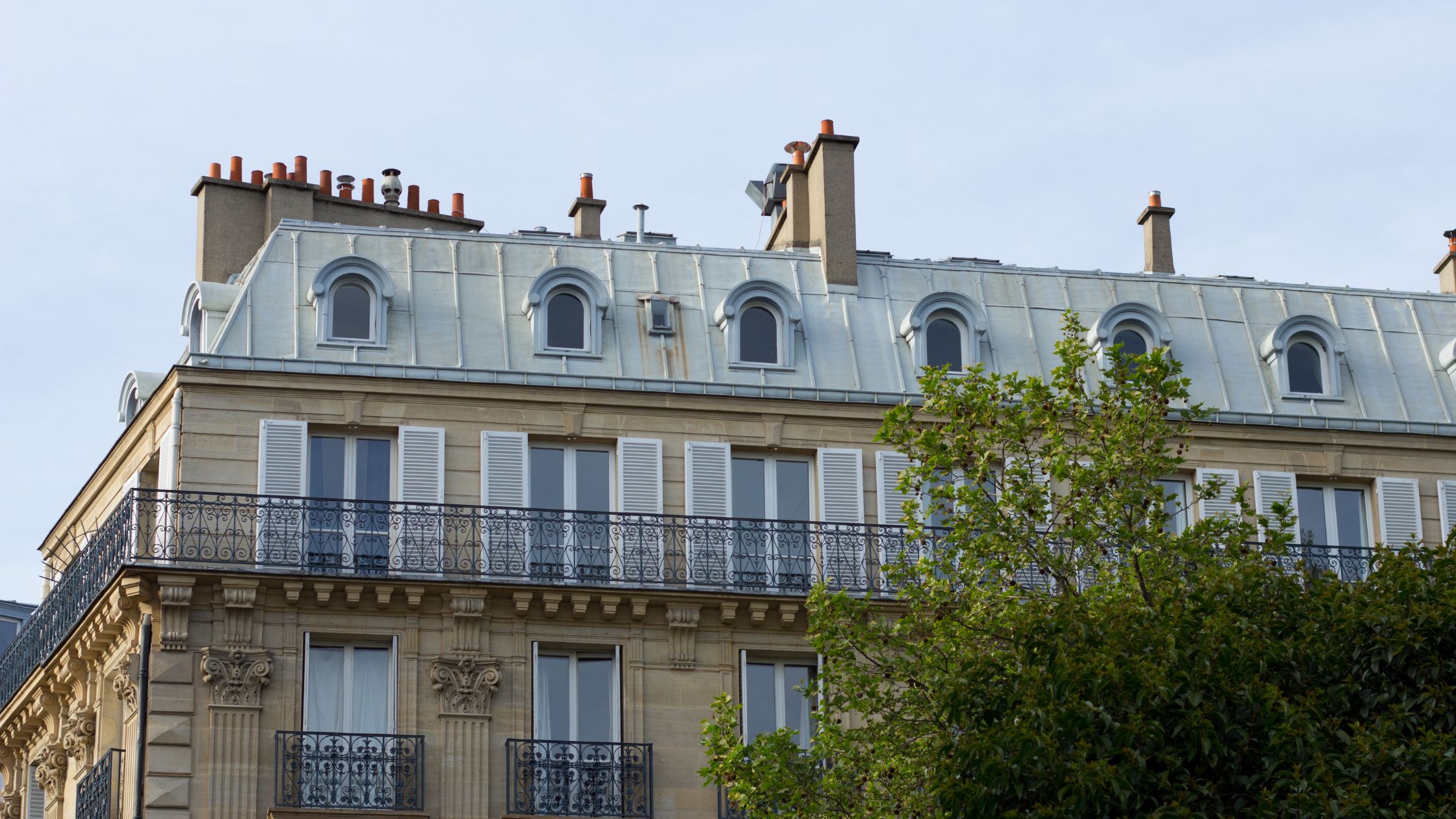
In Paris, where most homes are in apartment buildings, the risk does not only concern you. A leak at your place floods the apartment below, damages common areas, and triggers lengthy insurance procedures between neighbors. Prevention protects you as much as those around you. It is also a matter of peace of mind: leaving with a light heart is well worth a few minutes of preparation.
Shutting Off the Water: The Essential Step
If you are leaving for more than two or three days, the most effective precaution is to shut off the main water supply to your home. Without pressurized water in the pipes, a leak simply cannot occur during your absence. It is the simplest and most protective step you can take.
Step 1: Locate the main shut-off valve
This valve is usually found near the water meter, under the kitchen sink, in a utility cupboard, or in the bathroom. If you have never identified it, do so before your departure, in a calm moment. It is useful information to have in any circumstance, not just before a holiday, as it will also come in handy on the day of a leak.
Step 2: Close the valve
Turn the valve clockwise until it is fully closed. If it is stiff or seized, do not force it at the risk of breaking it: this is a sign that it needs servicing, and a professional can replace it with an easy-to-operate model. A valve in good working order is a safety device in its own right.
Step 3: Drain the taps
Once the valve is closed, open a tap at the lowest point of the home to drain the remaining water from the pipes. This further reduces the risk of freezing in the pipes and confirms that the supply is indeed shut off, since the flow should quickly stop. Then close the tap again.
Keep the Heating in Frost Protection Mode
Shutting off the water does not mean turning everything off. On the contrary, it is important to keep the heating in frost protection mode — a setting available on most thermostats and symbolized by a snowflake. This setting maintains a minimum temperature of around 8 degrees, enough to prevent the system from freezing without consuming much energy.
Turning off the heating entirely to save money is a false economy: the home cools down, pipes that were not drained risk freezing, and you return to an icy interior that takes hours to warm back up. Frost protection is the right balance between savings and protection. To prepare your entire system before the cold season, see our pre-winter plumbing checklist.
Understanding Frost Protection Mode in Detail
Frost protection mode deserves a closer look, as it is often misunderstood. It is not simply a setting turned to the minimum, but a function designed to keep the home just above the critical temperature. The boiler only fires if the temperature drops too low, which greatly limits consumption while protecting the system against freezing.
On a mechanical thermostat, frost protection corresponds to the snowflake symbol at the bottom of the dial. On an electronic or smart model, it is often activated via an away or holiday mode that can be programmed. Take the time to find this setting before you leave, in a calm moment, rather than searching for it at the last minute. A home kept in frost protection mode welcomes you back without the risk of a burst pipe and warms up quickly once you restart the heating.
Other Precautions Before Leaving
Beyond the water and heating, a few steps complete the preparation:
Close the supply valves for your washing machine and dishwasher, whose hoses are a frequent cause of leaks.
Check that no tap is dripping and no gasket is seeping before you leave.
Insulate any exposed pipes, especially in the basement or on a balcony.
Leave a spare set of keys with a trusted person who can intervene if a problem arises.
Note the contact details of an emergency plumber, in case a neighbor needs to call someone.
Washing Machines and Dishwashers: A Sensitive Point
Among the causes of water damage in an empty home, washing machine and dishwasher hoses top the list. These flexible hoses age, weaken, and sometimes give way under pressure, releasing water continuously. A hose that bursts during your holiday can flood several floors before anyone notices.
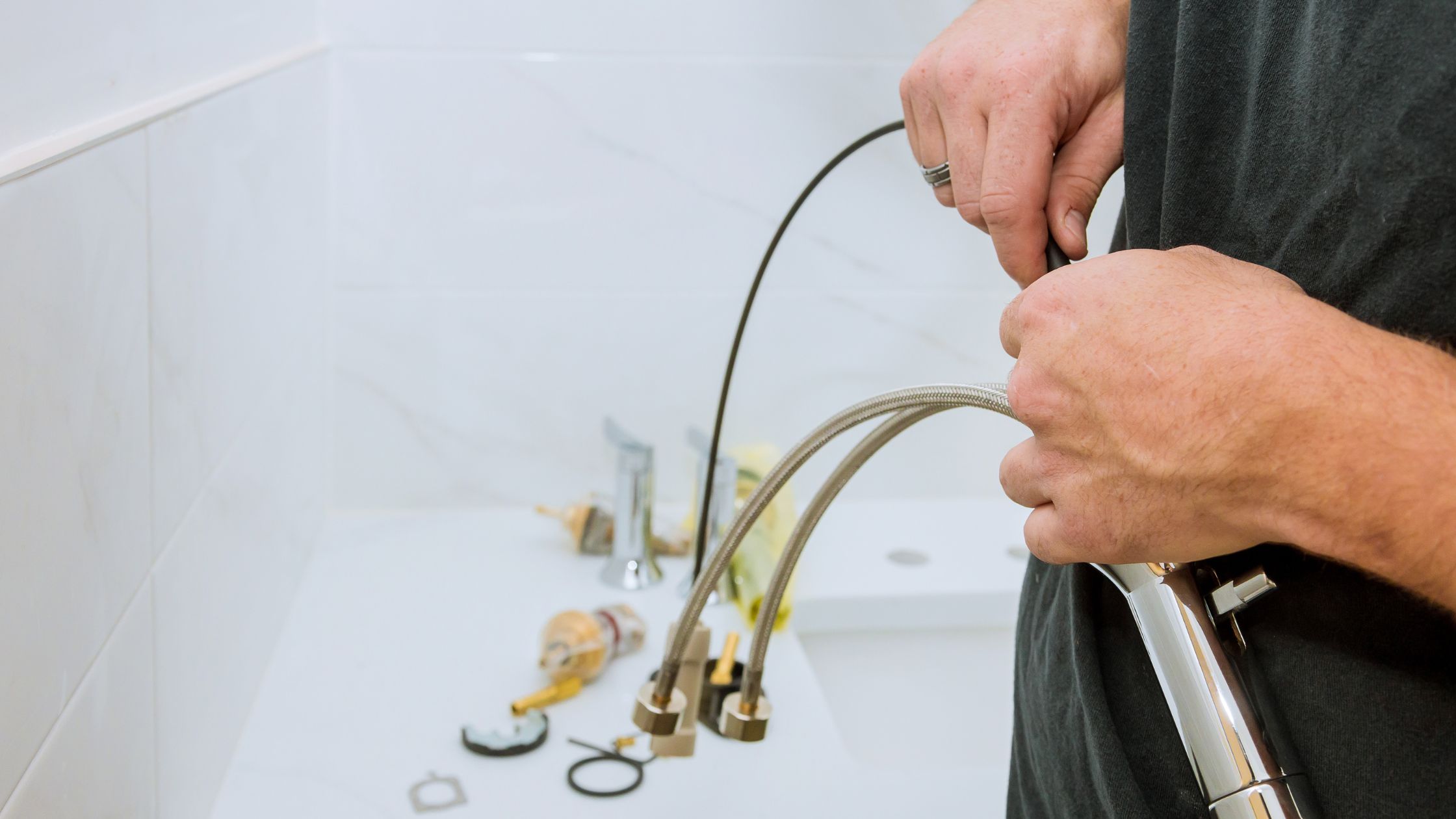
The solution is simple: always close the water supply valves for these appliances before leaving. These small valves, located behind or next to the machine, take seconds to turn. While you are at it, check the condition of the hoses: if they are old, cracked, or deformed, have them replaced — it is a modest repair that prevents a costly disaster.
Extended Absence: A Few Extra Precautions
If you will be away for several weeks or even months, a few additional precautions are needed. Beyond shutting off the water and activating frost protection, consider having your water heater checked if the home will be empty for a very long time. On your return, run the water for a few moments at each point: this restores the anti-odor water seal in the traps, which evaporates when not in use, and prevents unpleasant smells from rising.
Also inform a trusted person or your building caretaker of the duration of your absence, and give them a way to reach you. In the event of an alert, a forewarned neighbor can act quickly — shut off the water at the building level or call a professional. This chain of trust is invaluable in apartment buildings, where an incident in one unit quickly affects the whole building.
Water Damage and Insurance: Plan Ahead
Water damage discovered on returning from holiday triggers insurance procedures that can prove lengthy. To make them easier, keep a few principles in mind. Keep proof of maintenance on your systems, because clear negligence can complicate your claim. Systematically photograph all damage before cleaning up. And report the incident to your insurer within the deadlines specified in your contract.
In some cases, particularly to pinpoint the exact location of a leak, a leak detection service may be needed and can be covered by insurance. Our article on leak detection and insurance coverage sheds light on this point. It is better to know these details in advance than to discover them in the heat of a claim.
What to Do If You Discover Water Damage on Return
Despite all precautions, if you discover water damage when you get back, act methodically. Immediately shut off the water supply and the electricity in the affected area. Mop up and protect what you can. Take photos of all the damage — they will be essential for your insurance. Notify your neighbor if water may have spread, and promptly contact a plumber to identify and repair the source of the leak.
For the next steps, our article on water damage in a Paris apartment details the procedure, and our article on water damage in a co-owned building specifies who to contact depending on the situation. If the leak is active, our 7-day emergency service responds without delay.
Freezing: Winter's Number One Enemy
If you had to remember just one winter risk, it would be freezing. When the temperature drops below zero for an extended period, still water in an exposed pipe turns to ice and expands. This expansion puts enormous pressure on the pipe, eventually cracking or bursting it. The most insidious part is that the leak often only appears during the thaw, once the ice has melted, when you may still be away.
The most exposed points are pipes that run through a basement, garage, crawl space, or along a poorly insulated exterior wall. Before leaving in winter, insulating these pipes with foam sleeves, combined with shutting off the water, reduces the risk to almost nothing. That is very little effort compared to the damage a burst pipe can cause in an apartment building.
After Your Return: The Right Habits
On the day you return, a few simple steps allow you to restart the home smoothly. Reopen the main shut-off valve slowly, to avoid a sudden pressure surge in the pipes. Then run the water at each point for a few moments to flush out air and restore the trap seals.
Take the opportunity to quickly inspect the sensitive areas: under the sink, behind the toilet, around the water heater and appliances. If you spot any trace of moisture or a drip, it is best to deal with it right away. This brief inspection, which takes five minutes, ensures everything is running smoothly after a long absence.
Frequently Asked Questions
After how many days should you shut off the water?
For an absence of more than two to three days, shutting off the water is recommended. For a weekend, it is not essential, but closing the washing machine supply valves remains a good habit that costs nothing.
Does shutting off the water also shut off the heating?
No. On most systems, the heating circuit is a closed loop independent of the water supply. You can therefore shut off the water while keeping the heating in frost protection mode. If in doubt about your system, ask a professional.
Should I shut off the water if I am only away for Christmas?
If you are away for several days over the holidays, yes. It is precisely during the end-of-year break, in the middle of cold weather, that empty homes are most vulnerable to freezing and leaks.
Should I also shut off the gas before leaving?
For a long absence, shutting off the gas supply is a reasonable extra precaution, provided you know how to relight and restart your appliances on your return. If you have any doubt about this, it is better to leave the gas on and simply shut off the water and keep the heating in frost protection mode.
In Summary
Before leaving for a winter holiday, shut off the main water supply, drain the taps, close the supply valves on your appliances, and leave the heating in frost protection mode. These few minutes of preparation save you from the dreaded scenario of discovering water damage when you return. A well-prepared home means a worry-free holiday and happy neighbors.
Seized shut-off valve, concerns about your system, or a leak on your return? Reseau Tubulure operates in Paris and the inner suburbs, 7 days a week. Contact us to secure your home before you leave.
Contact Réseau Tubulure
Need a plumber or air conditioning specialist in Paris? Réseau Tubulure responds quickly throughout Paris and Île-de-France.