

Leak on a Riser Pipe in a Condominium: Who Should Call a Plumber

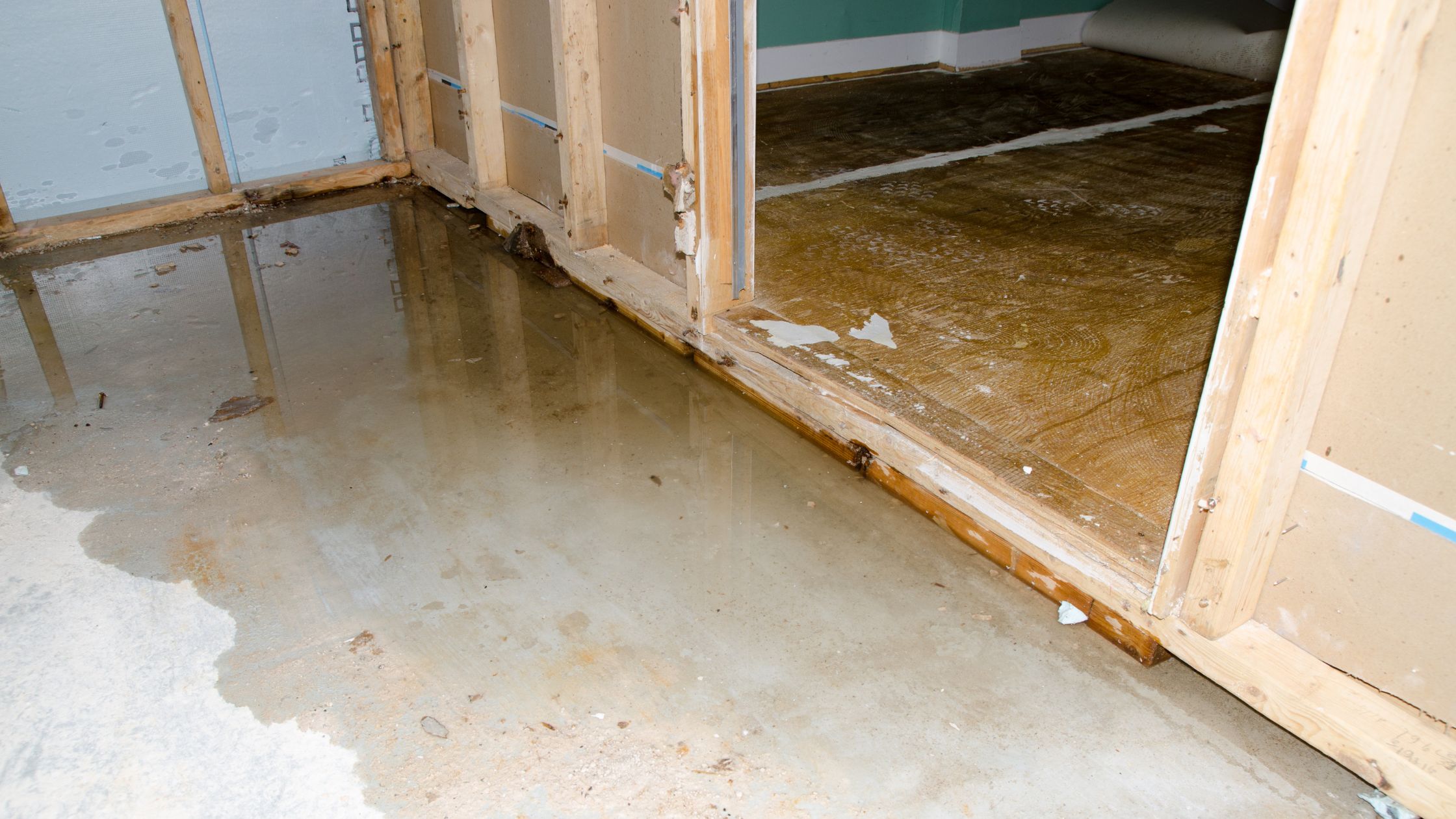
A damp patch appearing simultaneously in several neighbours' homes, on different floors but on the same vertical line: this characteristic sign almost always points to a leak on the riser pipe, the collective pipe that runs through the building from top to bottom to distribute water to each home. In a condominium, this type of incident immediately raises a delicate question: who is responsible, who should call a plumber, and who covers the cost. This guide clarifies these points so you can act quickly and effectively.
The riser pipe occupies a particular place in a building's plumbing: it belongs to the common areas, but its malfunction directly affects private homes. This dual nature explains why managing a riser pipe leak follows different rules from a purely private leak, and why it is essential to understand this mechanism before acting, whether you are an owner, a tenant or a member of the residents' committee.
What exactly is a riser pipe
The riser pipe is the vertical pipe that supplies water to all floors of a building, from the main inlet to each home. It is generally installed in a service duct, sometimes visible in a cupboard or common room, sometimes embedded in the building's load-bearing walls. Its dilapidation is common in older Parisian buildings, where some risers date back several decades and are still made of lead or galvanised steel, two materials now largely outdated.
In condominium law, the riser pipe falls under the common areas, even though it passes through private homes to serve them. This classification has direct consequences for the responsibility and financing of its maintenance and repairs, which normally fall to the condominium as a whole rather than to a single occupant.
Recognising a riser pipe leak
Certain signs should immediately suggest a riser pipe leak rather than a purely private problem:
Damp marks or rings appearing on several successive floors, in vertically aligned positions.
Several different homes report damp problems at the same time, with no apparent link to their own installations.
A drop in pressure or a water supply problem simultaneously affecting several apartments in the building.
Persistent damp in a common service duct or a shared room in the building.
If only one of these signs concerns your home alone, the cause is more likely private. But as soon as several homes are affected simultaneously, the riser pipe should be seriously considered and reported without delay to the building manager.
Who should call the plumber
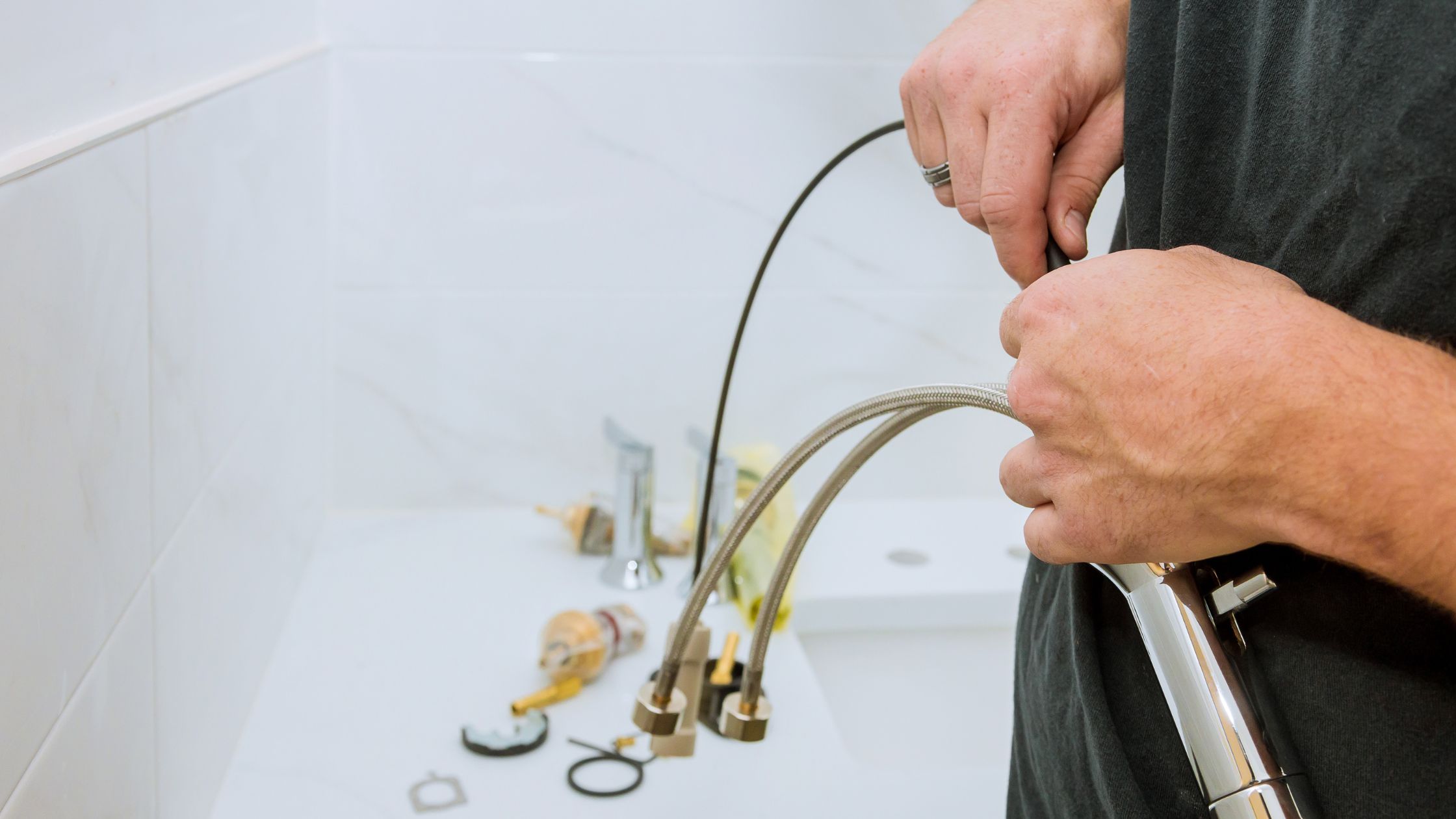
Faced with a suspected riser pipe leak, the correct approach is not to call a plumber individually and privately, but to contact the condominium's building manager, who is responsible for having the common areas diagnosed and repaired. It is the manager who officially commissions a professional to work on the riser pipe, and who initiates the condominium's insurance procedures if necessary.
In practice, if you observe the signs of such a leak, the first action is to contact your building manager immediately, describing precisely what you observe and indicating whether you know that other homes are also affected. This information considerably speeds up the diagnosis, as it immediately confirms the collective rather than private trail.
If the situation is urgent and the manager is not immediately reachable, a professional can be called in an emergency to make the situation safe, with the administrative regularisation then handled with the condominium. Our 7-day emergency service is equipped to intervene quickly in this type of configuration.
Who pays for the repair
Since the riser pipe falls under the common areas, its repair is in principle financed by the condominium as a whole, through common charges or the building's insurance. This rule differs fundamentally from a leak on a strictly private pipe, which remains the responsibility of the single occupant concerned.
The damage resulting from the leak, however, may be treated differently depending on whether it affects the common areas or the private property of each home. This is generally where the respective insurers, that of the condominium and that of each occupant, intervene jointly. An amicable report or an expert's report often clarifies how the different coverages are shared.
The case of dilapidated riser pipes
Many older Parisian buildings still have riser pipes made of lead or now-obsolete materials, whose fragility increases over time. A one-off leak on this type of installation is sometimes the warning sign of generalised dilapidation of the whole network, which will multiply similar incidents in the years to come if nothing is done.
In this case, a one-off repair treats the symptom but not the cause. Our article on replacing lead or cast iron pipes details why a full replacement of the riser, though more costly, can prove economically wiser in the long term for the whole condominium.
The plumber's role with the manager and owners
A plumber experienced in condominium interventions knows how to navigate between the different parties: the manager who commissions the work, the directly affected owners who want quick answers, and sometimes the building's insurer who requests a precise report to process the file. This experience avoids back-and-forth and speeds up the resolution of the incident for all affected homes.
Reseau Tubulure works regularly with building managers and condominium administrators in Paris and the inner suburbs, and systematically provides the detailed intervention reports needed for the administrative and insurance procedures.
How a condominium meeting prepares for this incident
When a riser pipe leak is confirmed, the question of its repair, or even its full replacement, is generally placed on the agenda of the next general meeting, except in an emergency justifying an immediate decision by the manager. A clear and costed diagnostic report, produced by a professional, greatly facilitates these discussions by giving owners concrete elements rather than vague estimates.
This report generally details the precise origin of the leak, the general condition of the riser along its whole length, and the possible options ranging from a one-off repair to full replacement, with their respective costs. Having this document ahead of the general meeting allows an informed vote and avoids the decision delays that needlessly prolong the risk of new leaks.
The consequences of late treatment
Postponing the decision to repair or replace a dilapidated riser pipe has a real cost, often underestimated by condominiums. Each new leak damages the homes it passes through again, multiplies the claims to declare to insurers, and can eventually push up the insurance premiums of the whole building. Repeated damage to the same areas also weakens the building's structure over the long term.
Conversely, a quick decision and a full treatment rather than successive patches limit the cumulative costs over several years and reassure all owners about the reliability of their collective installation. This is a calculation that deserves to be presented clearly during general meeting discussions.
What each owner can do individually
While awaiting the collective decision, each owner affected by the damage resulting from the leak must, for their part, declare the claim to their own home insurance, photograph the damage observed in their home precisely, and keep all exchanges with the manager relating to this incident. This individual approach remains necessary even if the repair of the riser itself falls to the condominium.
It is also useful to stay in regular contact with the manager to follow the file's progress, particularly when several homes are affected and coordination between several occupants can slow the process.
Frequently asked questions
Can I call my own plumber without going through the manager?
For a confirmed leak on the riser pipe itself, the correct approach runs through the manager, who is responsible for the common areas. You can, however, have an initial diagnosis carried out to confirm the origin of the problem and support your report to the manager.
What to do if the manager is slow to react to an emergency?
If the leak worsens and threatens several homes, an emergency intervention can be called directly to make the situation safe, informing the manager immediately afterwards for the administrative regularisation. Occupant safety takes priority over procedural questions.
Does a riser pipe leak only affect the lower floors?
Not necessarily. Depending on the exact location of the leak on the riser, homes above as well as below the rupture point may be affected, which is why a full professional diagnosis of the riser is often necessary.
How long does repairing a riser pipe take?
A one-off repair on an existing access point can be settled in one intervention. A full riser replacement, however, requires heavier organisation, as it affects several successive homes and often needs access coordination with each occupant.
In summary
A riser pipe leak is recognised by damp signs affecting several vertically aligned homes in the building. Faced with this situation, the correct approach runs through the condominium's building manager, responsible for the common areas, rather than a purely private intervention. The repair is in principle financed collectively, while the resulting damage is often settled between the insurers of the parties concerned.
Reseau Tubulure supports building managers, administrators and owners facing riser pipe leaks in Paris and the inner suburbs, with detailed intervention reports. Contact us for a quick diagnosis.
Contact Réseau Tubulure
Need a plumber or air conditioning specialist in Paris? Réseau Tubulure responds quickly throughout Paris and Île-de-France.