

Air conditioning installation in Paris: a complete guide to get started

In Paris, summer temperatures are rising year by year. Between old buildings, apartments under zinc roofs and heat waves, heat is quickly becoming a subject. More and more individuals and professionals are therefore choosing to install air conditioning to regain lasting thermal comfort.
This comprehensive guide explains everything you need to know before starting out: types of air conditioning, installation steps, standards to be respected, average costs and tips for choosing the right installer in Paris.
Why install air conditioning in Paris?
The Parisian context: heatwaves and thermal comfort
Heat waves are no longer exceptional in Paris. Poorly insulated apartments, often lacking natural ventilation, accumulate heat over the days. The installation of air conditioning then becomes much more than just comfort: it is a necessity to maintain a healthy and pleasant environment.
Homes located on the top floors or in the attic are particularly at risk. Well-installed air conditioning not only effectively cools these spaces, but also reduces humidity and filters indoor air, improving the quality of life.
The benefits for a home or a house
Installing air conditioning offers a double advantage: immediate comfort and the valuation of the property. Modern systems, which are often reversible, also allow heating during the winter, making them an economical and ecological solution. For a Parisian apartment or a house in the suburbs, this represents a profitable investment in the long term.
Professionals, offices, shops or restaurants also find an asset here: a temperate environment that improves the productivity and well-being of teams and customers alike.
When installation is required
It is time to think about an installation as soon as the indoor temperatures become stifling in summer, or the air quality deteriorates. The signs are clear: disturbed sleep, discomfort at work, or rooms that are impossible to cool despite ventilation.
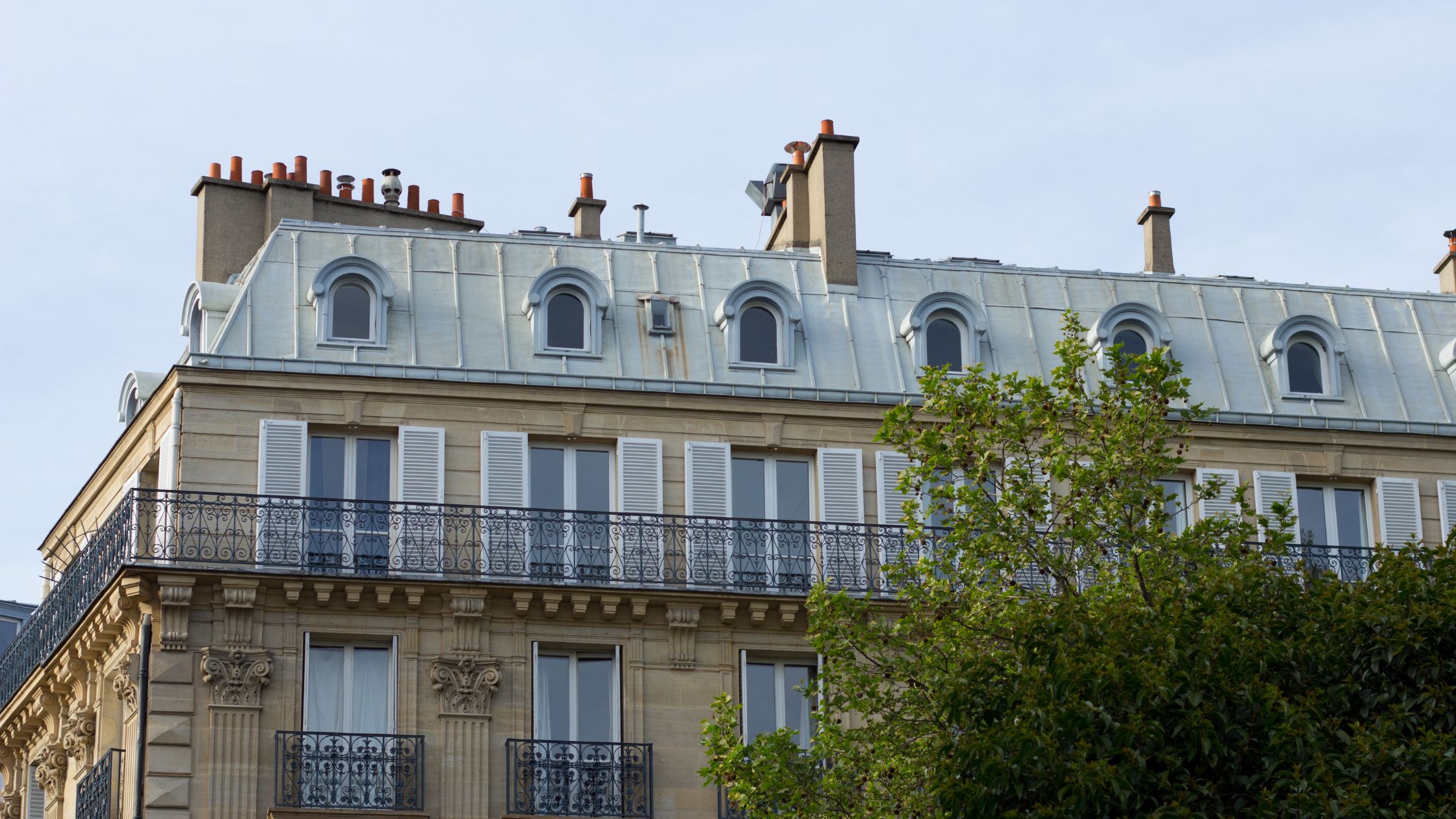
The installation of air conditioning in Paris is particularly indicated in old homes, Haussmannian buildings, or townhouses where energy renovation remains limited.
The types of air conditioning systems
Monosplit, multisplit, ducted or console
There are several types of systems, each meeting specific needs.
Monosplit air conditioning is perfect for small spaces. It consists of an indoor unit and an outdoor unit, connected by ducts. Simple and effective, it adapts well to a single room.
Multisplit air conditioning, on the other hand, allows several indoor units to be connected to a single outdoor unit. It is an ideal solution for a family apartment or a multi-level house.
For new or renovated homes, ducted air conditioning is a high-end option: the ducts are hidden in the ceilings or the attic, offering a result that is both aesthetic and silent. Finally, the air conditioning console, placed on the wall or on the floor, represents a practical alternative when embedding is not possible.
Reversible air conditioning: comfort all year round
Reversible models are the most popular in Paris, as they provide both heating and air conditioning. By inverting the thermodynamic cycle, reversible air conditioning produces heat in winter and freshness in summer, while consuming less energy than conventional electric heating.
It is the most versatile solution and the most adapted to the climatic variations of Île-de-France.
Selection criteria for Paris and Île-de-France
The choice of the system depends on several factors: the area to be equipped, the level of insulation, the orientation of the home and the constraints related to the condominium.
In a Parisian apartment, you often have to reconcile efficiency, discretion and silence. In homes, the installation is freer, but energy performance remains decisive.
For tailor-made support, the experts of Tubulure network can advise you on the most suitable solution for your home and your budget.
The steps for a successful installation
Step 1: needs assessment and sizing
Before any installation, a professional carries out a thermal study in order to determine the required power. This diagnosis takes into account the size of the home, its orientation, its insulation and its use.
An oversized appliance causes overconsumption of energy, while a model that is too weak will not be able to effectively cool rooms. The right sizing guarantees comfort and economy.
Step 2: Choosing equipment and location
Once the needs are defined, the installer recommends the most appropriate type of device. He also chooses the ideal location of the units: neither too close to the windows, nor oriented to the passage areas.
In Paris, where space is sometimes limited, this choice is essential to limit noise pollution and respect the aesthetic constraints imposed by condominiums.
Step 3: installation and connection
The installation consists in drilling the wall to pass the refrigeration and electrical ducts, fixing the units, and then making the connections. The intervention requires technical precision and the use of specialized tools.
Only an approved professional, with a certificate of capacity to handle refrigerants, can perform this operation. This ensures the conformity of the installation and the safety of the system.
Step 4: commissioning and verification
Once the assembly is complete, the technician starts up the air conditioning. It checks the tightness of the circuit, tests the performances, adjusts the parameters, and checks the noise levels.
An installation report is then given to the customer, attesting to the proper functioning of the equipment.
Step 5: maintenance and follow-up
Well-maintained air conditioning lasts longer and consumes less energy. Regular cleaning of the filters, checking the connections and checking the refrigerant fluid are essential.
Installing air conditioning in an apartment or a house: the key differences
Installing air conditioning in a Parisian apartment is not as easy as in a detached house. In a building, condominium rules apply: any installation visible from the street must be validated at a general meeting. Noise pollution, visual impact and respect for facades are all points to anticipate.
The professional must often find creative solutions: place the outdoor unit on a balcony, an interior courtyard or an invisible wall, while respecting the safety distances.
In a house, there is greater freedom. The outdoor unit can be installed on the ground or fixed to an exterior wall, away from wind and sun. Ducts can be hidden more easily, and the choice of system, especially ducted air conditioning, is more varied.
In both cases, an experienced installer will be able to adapt the configuration to your constraints and guarantee a correct installation.
Norms, obligations and vigilance points
Regulations in Paris and Île-de-France
In Paris, local regulations are strict, especially when it comes to noise and architectural respect. Condominiums often require permits before drilling a facade.
In addition, only a licensed professional can handle refrigerants and certify commissioning. These rules ensure the safety, performance and compliance of your air conditioning.
Installer certifications and quality
Before signing a quote, it is essential to check the qualifications of your installer. RGE (Recognized Environmental Guarantor) or QualiPAC certifications are guarantees of seriousness and may entitle you to certain financial aid.
Choosing a craftsman who is a member of Tubulure network guarantees you a qualified and experienced professional, accustomed to Parisian standards.
Environmental impact and maintenance
Recent systems use less polluting fluids, such as R32, and are designed to reduce energy consumption. By maintaining your air conditioning every year, you optimize its performance while minimizing its ecological footprint.
Neglected maintenance, on the contrary, can lead to premature breakdowns or overconsumption of energy.
Average cost and estimate for Paris and surroundings
Factors that influence the price
The cost of an installation depends mainly on the type of air conditioning chosen, the number of units, the difficulty of accessing the site and the desired level of finish.
In Paris, space and authorization constraints can sometimes cause prices to increase slightly, but a detailed estimate allows you to know exactly the budget to be planned.
Indicative price ranges
On average, monosplit air conditioning costs between €1,800 and €2,800, including installation. For a multisplit, prices vary from €2,500 to €4,500, while ducted air conditioning can reach €8,000 depending on the complexity of the site.
These prices include equipment, installation and commissioning, but it is always advisable to compare several quotes before deciding.
The importance of the comparative estimate
A well-written estimate details the power, materials, warranty period and services included. Asking for several makes it possible to assess the quality of the service and to avoid unpleasant surprises.
You can apply now for a free quote from the Tubulure network, by completing the form.
Finding the right provider in Paris
The essential criteria
A good installer is distinguished by his professionalism, his responsiveness and his local references. It must be transparent about the brands it offers, the intervention times and the guarantees offered.
Also check that it has civil liability insurance and a ten-year guarantee.
The right questions to ask
Before entrusting your project, ask the professional:
- What is his experience in installing air conditioning in Paris?
- Does it have the necessary certifications?
- Does it provide commissioning and initial maintenance?
- Can it maintain the system annually?
A qualified installer will clearly answer these points and will be able to offer you a personalized solution.
Installation and maintenance: a winning duo
Choosing the same service provider for installation and maintenance facilitates follow-up and guarantees rapid intervention if necessary. The technicians of Tubulure network support their customers over the long term, ensuring the sustainability and performance of each installation.
FAQ — Air conditioning installation in Paris
1. How much does an air conditioning installation cost in Paris?
The price of an air conditioning installation in Paris depends on the type of device and the complexity of the site.
On average, it costs between €1,800 and €2,800 for a monosplit, €2,500 to €4,500 for a multisplit, and up to €8,000 for a ducted system.
Costs may vary slightly depending on access, facade constraints or condominium requirements.
It is therefore recommended to request a free personalized quote from a certified professional.
2. Do I need permission to install air conditioning in my Parisian apartment?
Yes, in most cases.
If the outdoor unit is visible from the street or changes the appearance of the facade, authorization from the condominium (vote at the general meeting) is mandatory.
In some classified buildings, a prior declaration of work may also be required by the Paris City Hall.
A professional accustomed to the Parisian context will be able to assist you in these procedures.
3. What is the difference between reversible air conditioning and conventional air conditioning?
Reversible air conditioning can also produce heat in winter, by reversing the operating cycle.
It is therefore a two-in-one solution, capable of heating and cooling your home according to the season.
It consumes less than traditional electric heating and is perfectly adapted to the temperate climate of Île-de-France.
4. Can you install air conditioning yourself?
No, it is not recommended.
The installation and commissioning of an air conditioning system require precise technical skills and a certificate of capacity to handle refrigerants.
An improperly performed installation can cause leaks, breakdowns, and void the manufacturer's warranty.
It is therefore essential to call on a qualified professional.
5. What is the average installation time for air conditioning?
This depends on the type of system and the number of units to be installed.
In general:
- a monosplit air conditioning is installed in one day;
- a multisplit requires two to three days;
- a ducted system requires up to a week of work, especially if finishes or false ceilings are planned.
An experienced professional will plan each step to limit nuisances and interruptions.
6. What power should you choose for your air conditioning?
The sizing depends on the area and the insulation of the housing.
On average, count 100 W per m² for a well-insulated room, and up to 150 W per m² for an attic apartment.
A certified installer always carries out a thermal balance before proposing a model in order to guarantee the right balance between comfort and consumption.
7. What is the lifespan of an air conditioner?
A well-maintained air conditioning system can last between 10 and 15 years.
Annual maintenance, including cleaning the filters and checking the refrigerant, considerably extends its lifespan.
The technicians of the Tubulure network offer maintenance contracts to ensure the regular monitoring of your equipment.
8. What are the financial aids for the installation of reversible air conditioning?
Some reversible air-to-air heat pumps may be eligible for aid, such as the energy premium or MaPrimeRénov', if they meet energy efficiency criteria.
These systems evolve regularly, so it is advisable to check the eligibility conditions with an RGE certified professional before starting work.
9. What is the difference between installing air conditioning in an apartment and a house?
In an apartment, the installation must respect the rules of co-ownership: noise, aesthetics, permits.
The space available for the outdoor unit is often limited, requiring a suitable solution.
At home, the installation is more flexible: you can freely position the outdoor unit and opt for more powerful systems, such as ducted air conditioning.
In both cases, an experienced installer will be able to design a tailor-made project.
10. What is the best time to install air conditioning in Paris?
The best time is off the summer season, between October and March.
The intervention times are shorter, the quotes are more advantageous, and this allows you to be ready before the hot weather.
During heatwaves, installers are often overloaded and delays can be extended by several weeks.
11. How to maintain your air conditioning on a daily basis?
Regular maintenance ensures the performance and quality of indoor air.
Simply clean the filters every two to three weeks during periods of intensive use and check that there are no obstacles in the way of air circulation.
Once a year, a maintenance visit by a professional is mandatory for systems containing more than 2 kg of refrigerant.
12. What are the risks if installed incorrectly?
Improperly installed air conditioning can lead to fluid leaks, excess electrical consumption, or even compressor failures.
In some cases, non-compliance with standards can also cause noise pollution or the release of indoor water.
To avoid these inconveniences, entrust your installation to an authorized and certified installer, who respects the regulations in force.
13. Does reversible air conditioning consume a lot of electricity?
No, on the contrary.
Modern reversible air conditioning systems are very efficient: they release three to four times more energy than they consume.
Their energy efficiency (COP) is often greater than 3, making them an economical and environmentally friendly solution.
14. Can you install air conditioning without an outdoor unit in Paris?
Yes, there are monoblock air conditioners without an outdoor unit, practical in buildings where conventional installation is impossible.
However, their performance is still inferior to that of a split system.
A professional can advise you on the feasibility and the best alternatives according to the constraints of your home.
15. Who can you call for a reliable and compliant installation?
For a secure installation that complies with standards and lasts over time, it is preferable to go through an authorized Tubulure network installer.
This network brings together experienced, RGE certified artisans who specialize in the installation of air conditioning in Paris and Île-de-France.
Contact us!
Installing air conditioning in Paris means investing in comfort, energy efficiency and quality of life. Modern, silent and reversible systems integrate perfectly into the constraints of Parisian housing while offering optimal performance.
To ensure a reliable, compliant and durable installation, call on a certified professional. The Réseau Tubulure brings together qualified craftsmen specialized in the installation, maintenance and repair of air conditioning systems in Paris and Île-de-France.
Request your free quote for air conditioning installation in Paris now and benefit from comprehensive support, from initial diagnosis to commissioning.