

AC Water Leak: Understanding the Causes and Finding the Right Solution

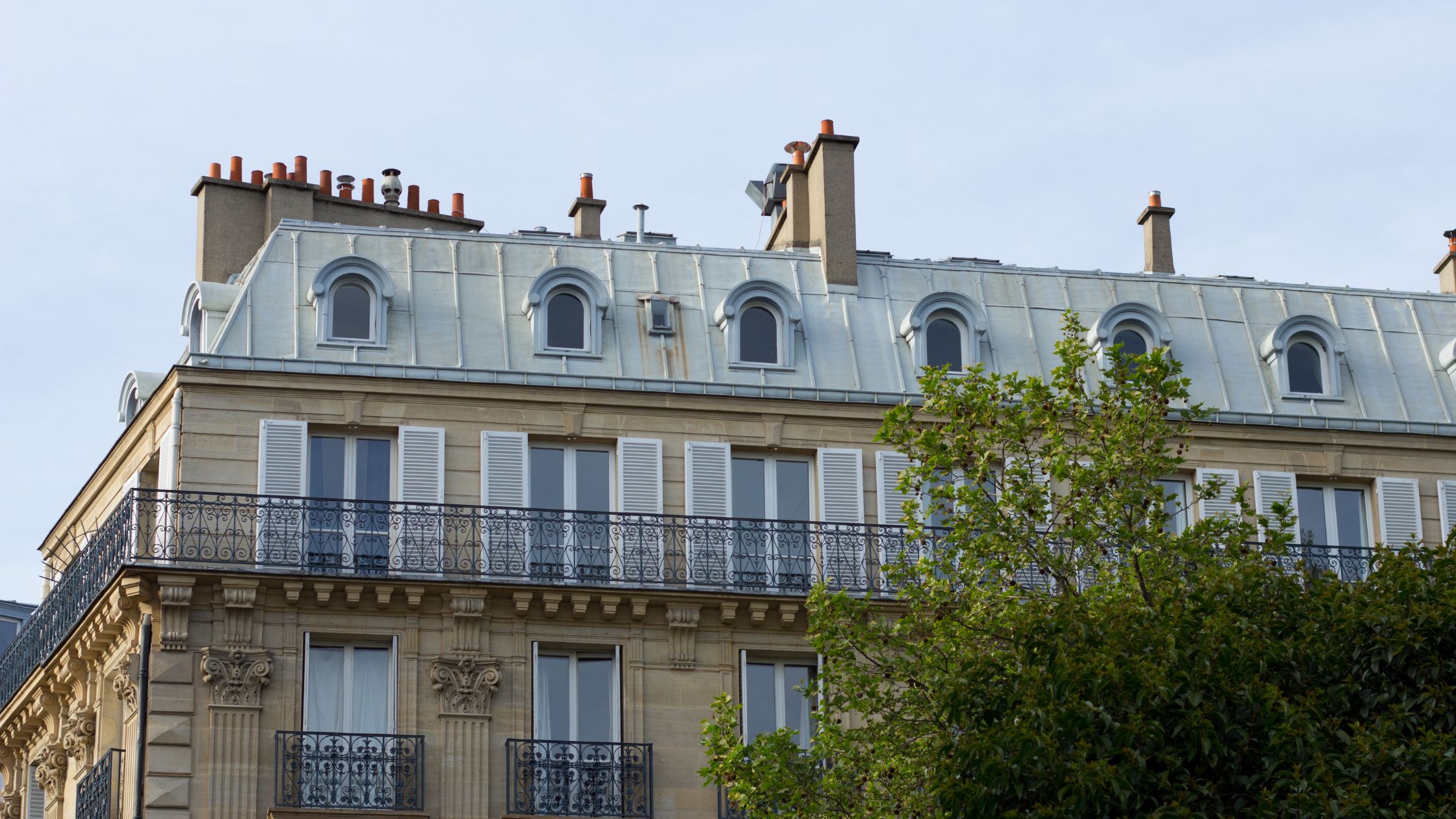
A puddle at the base of your split unit, drops running down the wall, or worse, a damp ceiling at your downstairs neighbour's place: a water leak from an air conditioner is one of the most common domestic incidents in Parisian apartment buildings. The issue is often minor at first, but it can quickly escalate into water damage if left unaddressed. Understanding where this water comes from and why it overflows is the first step to responding effectively.
Where does the water produced by an air conditioner come from?
Every air conditioner — whether a wall-mounted split, a ducted system or a monobloc unit — produces water during operation. This is not a defect: it's a perfectly normal physical phenomenon called condensation.
The condensation mechanism
The indoor unit draws in the warm, humid air from the room. As it passes over the cold heat exchanger (the evaporator), the moisture in the air turns into water droplets, exactly like the condensation that forms on a bottle taken out of the fridge. This water, called condensate, is collected in a tray beneath the exchanger and then drained to the outside through a small-diameter pipe (typically 16 to 20 mm).
The volumes involved
In hot, humid weather, a standard split unit can produce between 0.5 and 2 litres of condensate per hour. Over a heatwave day in Paris, that easily amounts to 10 to 15 litres per unit. This volume must be drained continuously, otherwise it overflows.
Why the air conditioner leaks: the most common causes
If the water overflows instead of draining, the problem almost always comes from the condensate circuit, rarely from the unit itself.
Blocked or dirty condensate tray
This is the number one cause. The collection tray accumulates dust, mould and sometimes green algae. Over time, a slimy deposit forms and blocks the outlet to the drain pipe. The water rises in the tray until it overflows.
Blocked or poorly connected drain pipe
The condensate pipe can become blocked (limescale deposits, insects, tight bends) or partially disconnected during building work. A poorly bonded connection or a crushed pipe behind panelling is enough to block the flow.
Condensate pump failure
In many Parisian apartments, gravity drainage is not possible: the split unit is installed too far from a drain point, or the pipe must rise to cross a false ceiling. A condensate pump is then required to push the water to the drain. If this pump fails (burnt-out motor, stuck float), the water stagnates and overflows.
Frost on the evaporator
A heavily clogged filter, low refrigerant level or operation at low outdoor temperatures can cause the evaporator to ice up. When the frost melts, the volume of water released at once exceeds the tray capacity. This phenomenon is more common in spring and autumn, when nights are cool.
Incorrect tilt of the indoor unit
The wall-mounted split must be fixed with a very slight tilt toward the collection tray side. If the mounting shifts (vibrations, anchor in an old Haussmannian wall), the water can flow the wrong way, running directly down the wall.
The risks of a condensate leak in an apartment building
In a Parisian apartment building, a simple condensate leak can have consequences well beyond your own flat.
Water damage at your neighbour's
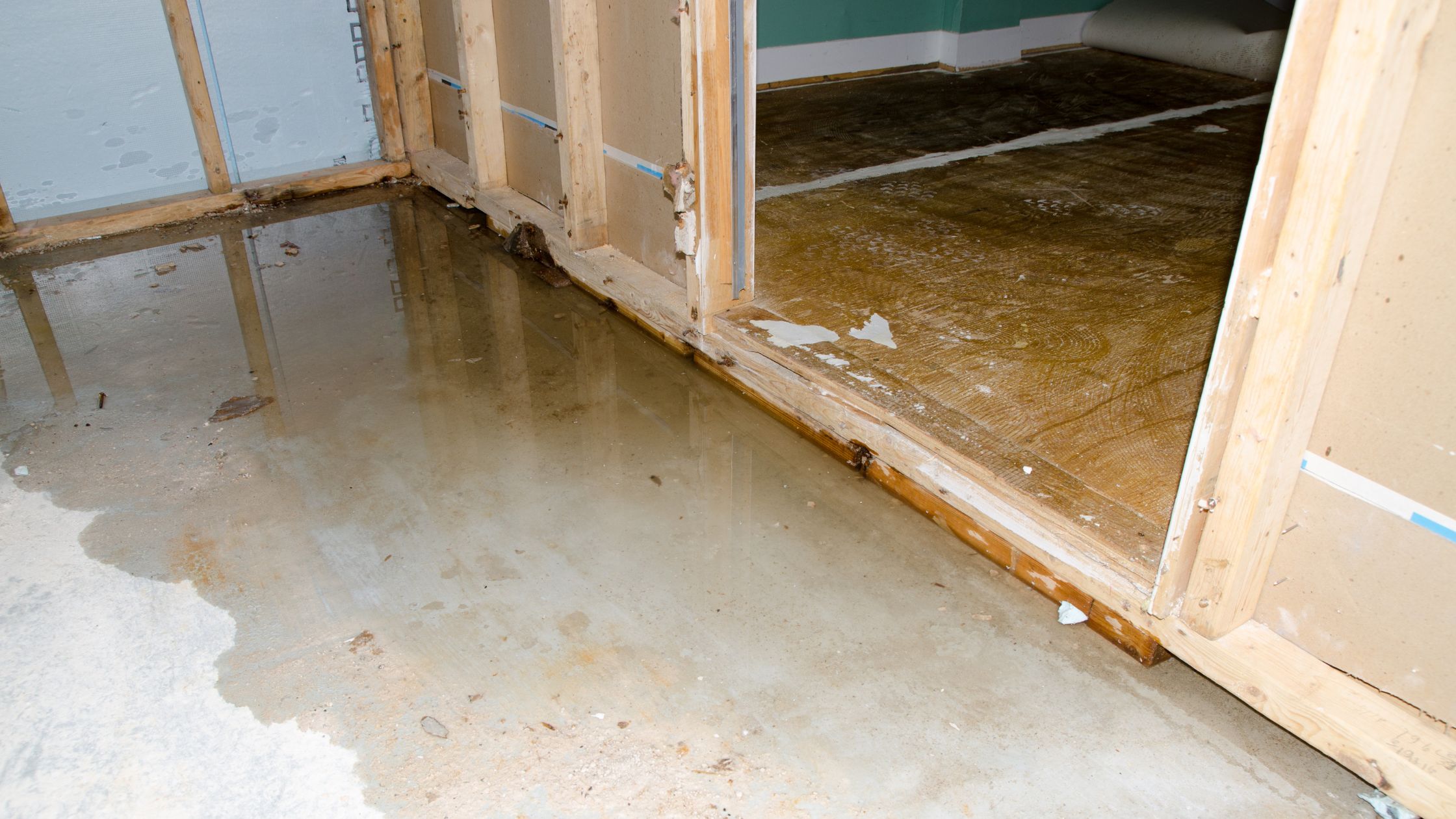
Water that overflows from the tray or pipe seeps into the floor, passes through the slab and appears as a stain or blister on the ceiling of the flat below. This scenario is a classic in apartment buildings and triggers a water damage claim process with insurance declaration, joint report and sometimes expert assessment.
For everything you need to know about what to do in case of water damage in an apartment building, see our guide to water damage in apartment buildings.
Mould and building deterioration
A slow, undetected leak encourages mould growth behind panelling or in the false ceiling. In older buildings, persistent moisture can also damage woodwork and plasterboard.
Electrical damage
Water running near an electrical box or wall socket presents a short-circuit risk. This is particularly sensitive in Haussmannian buildings where electrical conduits sometimes run close to indoor units.
How to fix and unblock a condensate leak
What you can do yourself
– Clean the filters: remove the filters from the indoor unit, rinse them in warm water and let them dry before putting them back. This is the basic step.
– Check the condensate tray: if access is possible (depending on the model), empty the tray and clean it with a damp cloth.
– Blow into the drain pipe: locate the outside outlet of the pipe and blow into it (or use a small hand pump) to dislodge a superficial blockage.
– Check the tilt: place a spirit level on top of the split unit. A visible misalignment warrants readjustment.
When to call a professional
Certain interventions require a qualified technician:
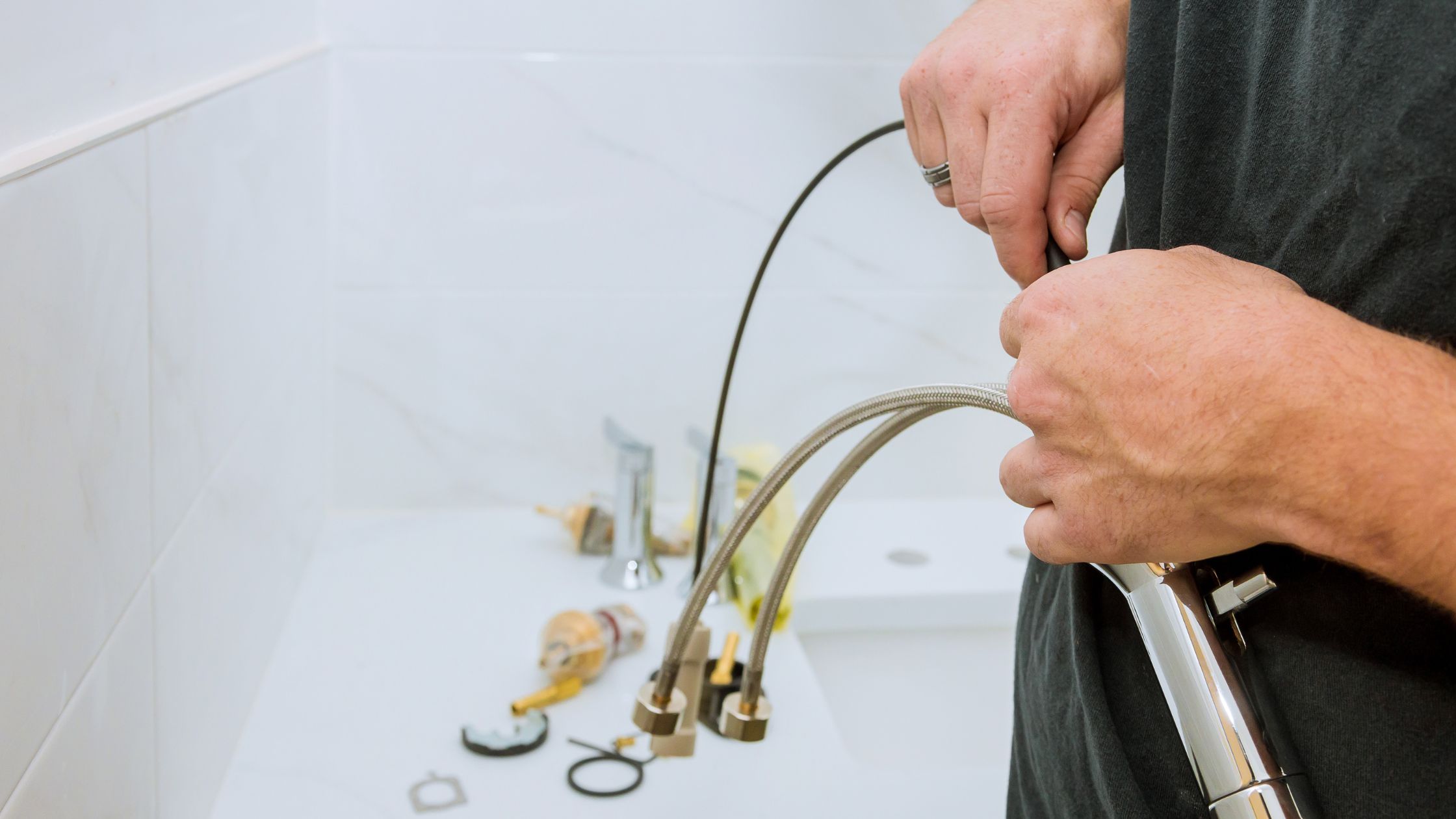
– Condensate pump failure (replacement or motor repair)
– Significant limescale blockage in the pipe (pressure cleaning)
– Recurring frost (refrigerant level check, requiring professional certification)
– Disconnected pipe inside panelling or a false ceiling
– Leak that has already caused water damage (an intervention report may be required by insurance)
The cost of unblocking condensate drains in Paris typically ranges from 90 to 180 euros including VAT, depending on complexity and accessibility. Replacing a condensate pump costs between 250 and 450 euros including VAT, installation included.
Preventing leaks: condensate maintenance
Nearly all condensate leaks could be prevented with regular maintenance.
Prevention tips
– Filter cleaning: every 2 weeks during periods of intensive use (summer in Paris).
– Drain pipe check: at least once a year, before the warm season. Make sure water flows freely.
– Anti-algae treatment: a bacteriostatic tablet placed in the condensate tray limits the formation of organic deposits.
– Annual maintenance contract: a technician checks the entire condensate circuit, cleans the tray, tests the condensate pump and inspects all connections.
The role of the building manager in apartment buildings
If your air conditioner is connected to a shared drain (building wastewater stack), the connection must comply with regulations and be authorised by the building manager. If in doubt, check that your installation was properly declared at the general assembly.
Frequently asked questions
Is it normal for an air conditioner to produce water?
Yes, it is perfectly normal. Every air conditioner produces condensate during operation. The water comes from the humidity in the ambient air that condenses on the cold heat exchanger. The volume depends on temperature and humidity: in hot, humid weather, a unit can produce more than one litre per hour. This water must be properly drained through a dedicated pipe.
Can an AC leak cause water damage?
Yes, and it is in fact one of the growing causes of water damage in Parisian apartment buildings, as the number of installed air conditioning units increases. Water overflowing from the condensate tray can seep into the floor and reach the flat below. A joint report must then be drawn up and the claim declared to your home insurance, as with any water damage incident.
How do you unblock a condensate drain?
For a minor blockage, you can blow into the drain pipe from its outside end, or use a small hand pump. For a more stubborn blockage (limescale, old organic deposits), you need to call a technician who will use pressure cleaning or a small drain snake suited to the pipe's narrow diameter. As prevention, an annual cleaning and the use of anti-algae tablets in the tray considerably reduce the risk of blockage.
---
Are you experiencing a leak from your air conditioner or would you like to set up preventive maintenance? Contact Réseau Tubulure for a quick diagnosis and a free quote in Paris and the Ile-de-France region.
Contact Réseau Tubulure
Need a plumber or air conditioning specialist in Paris? Réseau Tubulure responds quickly throughout Paris and Île-de-France.