

Heating No Longer Enough in Winter: Should You Install a Heat Pump in Paris
Every Parisian winter brings its share of similar complaints: the same rooms stay cold despite heating pushed to the maximum, and the energy bill climbs without comfort following. Faced with this recurring observation, more and more Parisians wonder whether a heat pump represents a realistic solution for their flat, often old and with specific constraints. This guide answers this question concretely.
The heat pump has long been associated with detached houses with a garden, because of the outdoor unit it generally requires. Yet several configurations today allow this solution to be considered even in a Parisian flat, provided you precisely assess the constraints of your home and your condominium.
How a heat pump works
A heat pump draws the calories present in the outside air, even in cold weather, to release them inside the home as heat. This principle, seemingly counter-intuitive in the depths of winter, relies on a proven thermodynamic cycle that produces more heating energy than the electricity consumed to run the appliance.
There are several types of heat pump, notably air-to-air, which diffuses heat directly into the ambient air via indoor units, and air-to-water, which supplies an existing central heating circuit. The choice between these two technologies largely depends on your current installation.
The specific constraints of a Parisian flat
The outdoor unit and its location
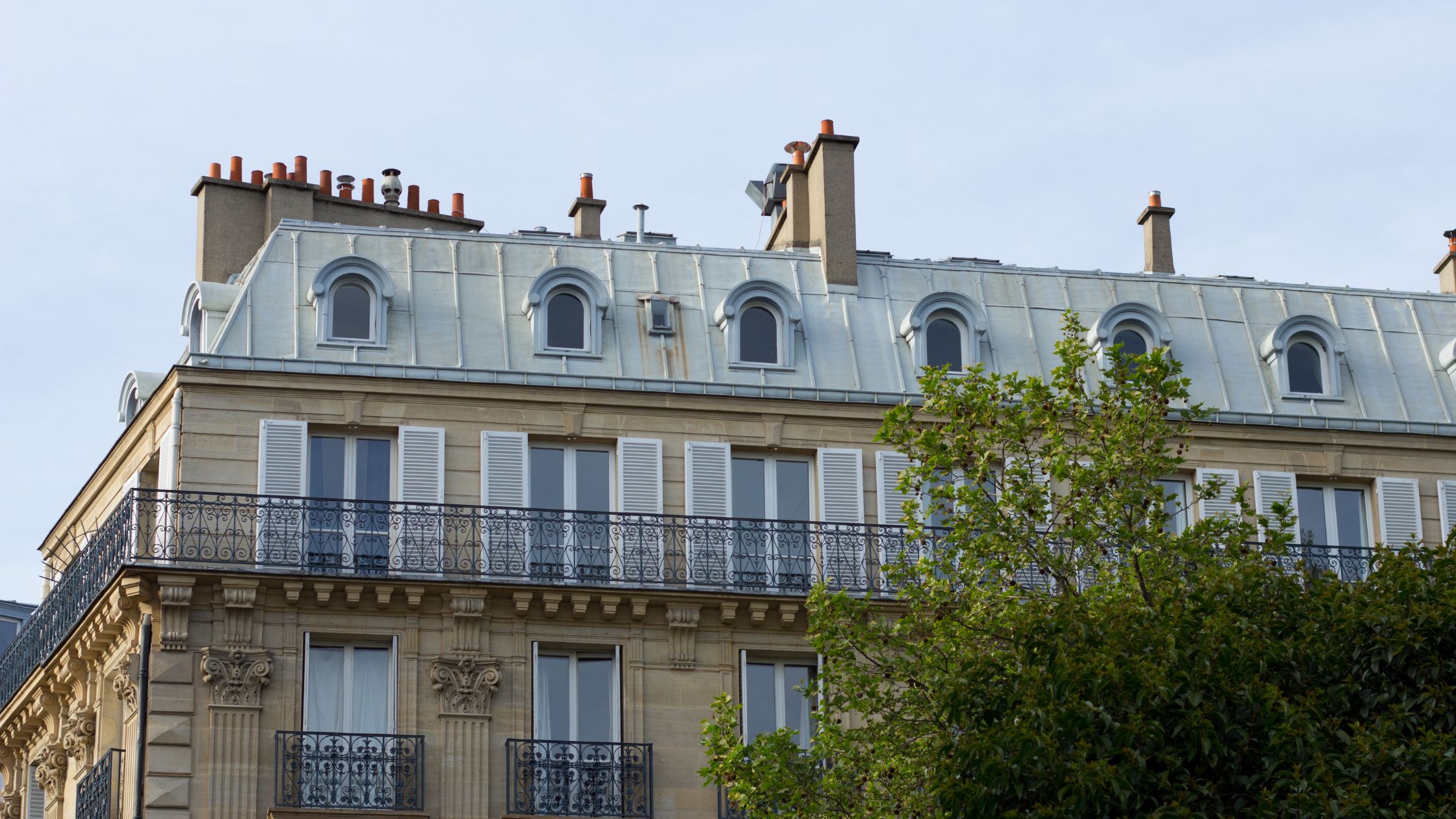
A heat pump requires an outdoor unit, generally installed on a balcony, a terrace, or fixed to the facade. In a Parisian building, this location must respect the condominium rules and, in some cases, the planning rules applicable to facades, notably in protected areas. Without an accessible balcony or terrace, this installation becomes noticeably more complex.
The condominium's authorisation
Any installation visible from the outside of a building generally requires the approval of the condominium's general meeting, notably if the installation affects a facade or a common area. This administrative process must be anticipated well before the work begins, as the delays can stretch over several months.
Potential noise nuisance
An outdoor unit generates a slight operating noise, generally moderate on recent models but which may nonetheless raise reservations from direct neighbours, notably in an inner courtyard where the sound reverberates. Choosing a model reputed to be quiet and a considered location noticeably limits this risk.
When is a heat pump genuinely suitable
Certain configurations lend themselves particularly well to this project:
A flat with a balcony, terrace or facade access with no particular aesthetic constraint.
A recent building or one already equipped with similar installations, which facilitates obtaining condominium approval.
A home currently heated by electricity, for which the energy efficiency gain is particularly significant.
A wider renovation project, allowing this installation to be integrated into an overall consideration of insulation and heating.
Conversely, a flat with no outdoor access, in a condominium historically reluctant, or in a listed building with strict architectural constraints, presents obstacles that can make the project difficult to realise.
The cost and financial support
Installing a heat pump represents a larger initial investment than a classic heating system, but this cost must be put into perspective with the energy savings made over time, particularly significant if you replace classic electric heating.
As with a boiler replacement, some energy renovation financial support schemes may apply, under eligibility conditions that evolve regularly. A professional up to date with the regulations informs you precisely of the support applicable at the time of your project.
The prior diagnosis, an essential step
Before any commitment, a diagnosis carried out by a professional assesses the real technical feasibility of your project: possible location for the outdoor unit, compatibility with your current heating system, sizing suited to your home's surface and insulation, and assessment of the necessary administrative procedures.
This diagnosis avoids committing to lengthy procedures with the condominium before even knowing whether the project is technically feasible in your precise configuration.
The reversible air conditioning alternative
For homes where installing a full heat pump proves complex, reversible air conditioning, which works on a similar technical principle but with a more compact indoor unit, can represent an interesting alternative, particularly for a flat already equipped with satisfactory central heating.
Our complete guide on installing air conditioning in Paris details this option, its costs and its steps.
Tenant or owner: who can launch this project
If you are a tenant, a heat pump installation project requires the prior approval of your landlord, since it is a lasting modification of the installation. This type of project is generally negotiated as an improvement to the property, with a cost split to discuss between the two parties.
For an owner-occupier, the decision remains simpler on the private administrative side, but the condominium's approval remains unavoidable as soon as the installation affects a part visible from outside.
Comparing the heat pump with other solutions
Before committing definitively, it is useful to objectively compare this solution with other options. If your current boiler still works correctly but is starting to show signs of age, our article on the signs it is time to replace your boiler helps you assess whether a classic replacement would not already meet your need effectively.
The heat pump is fully justified when the energy efficiency gain is particularly significant, notably as a replacement for classic electric heating, or when the project is part of a wider renovation.
How an installation concretely unfolds
Once the diagnosis is done and the condominium approval obtained, the installation itself generally unfolds over one to three days depending on the project's complexity. The work includes fitting the outdoor unit at the validated location, connecting to the existing heating circuit or installing indoor units, and the necessary adjustments.
A serious professional also supports you in getting to grips with the appliance once installed, with clear explanations of its daily operation.
Maintenance over time
Like any heating equipment, a heat pump requires regular maintenance to preserve its energy efficiency and longevity. An annual check, carried out by a qualified professional, verifies the appliance's general condition and the proper operation of the refrigerant circuit.
This regular maintenance remains essential to ensure your investment keeps its stated performance over its whole lifespan, generally estimated at fifteen to twenty years.
Frequently asked questions
Can you install a heat pump without a balcony or terrace?
It is generally more complex, but not systematically impossible. Some configurations allow a facade installation with the condominium's approval. An on-site diagnosis remains essential.
How long does obtaining condominium approval take?
This delay depends on your building's general meeting calendar, which generally takes place once or twice a year. Anticipating this process several months ahead is strongly recommended.
Does a heat pump work in Parisian deep cold?
Yes, current models are designed to work effectively even in negative temperatures. Efficiency may drop slightly during the most intense cold snaps, without compromising comfort.
In summary
Installing a heat pump in a Parisian flat is a feasible project, but one that requires a precise assessment of the constraints specific to your home and condominium: the outdoor unit's location, the general meeting's approval, and compatibility with your current heating. A prior professional diagnosis remains the best way to assess the real feasibility.
Reseau Tubulure assesses the feasibility of a heat pump or reversible air conditioning for your Parisian flat. Contact us for a tailored diagnosis.
Contact Réseau Tubulure
Need a plumber or air conditioning specialist in Paris? Réseau Tubulure responds quickly throughout Paris and Île-de-France.