

Urban Heat Island in Paris: Understanding and Protecting Your Home
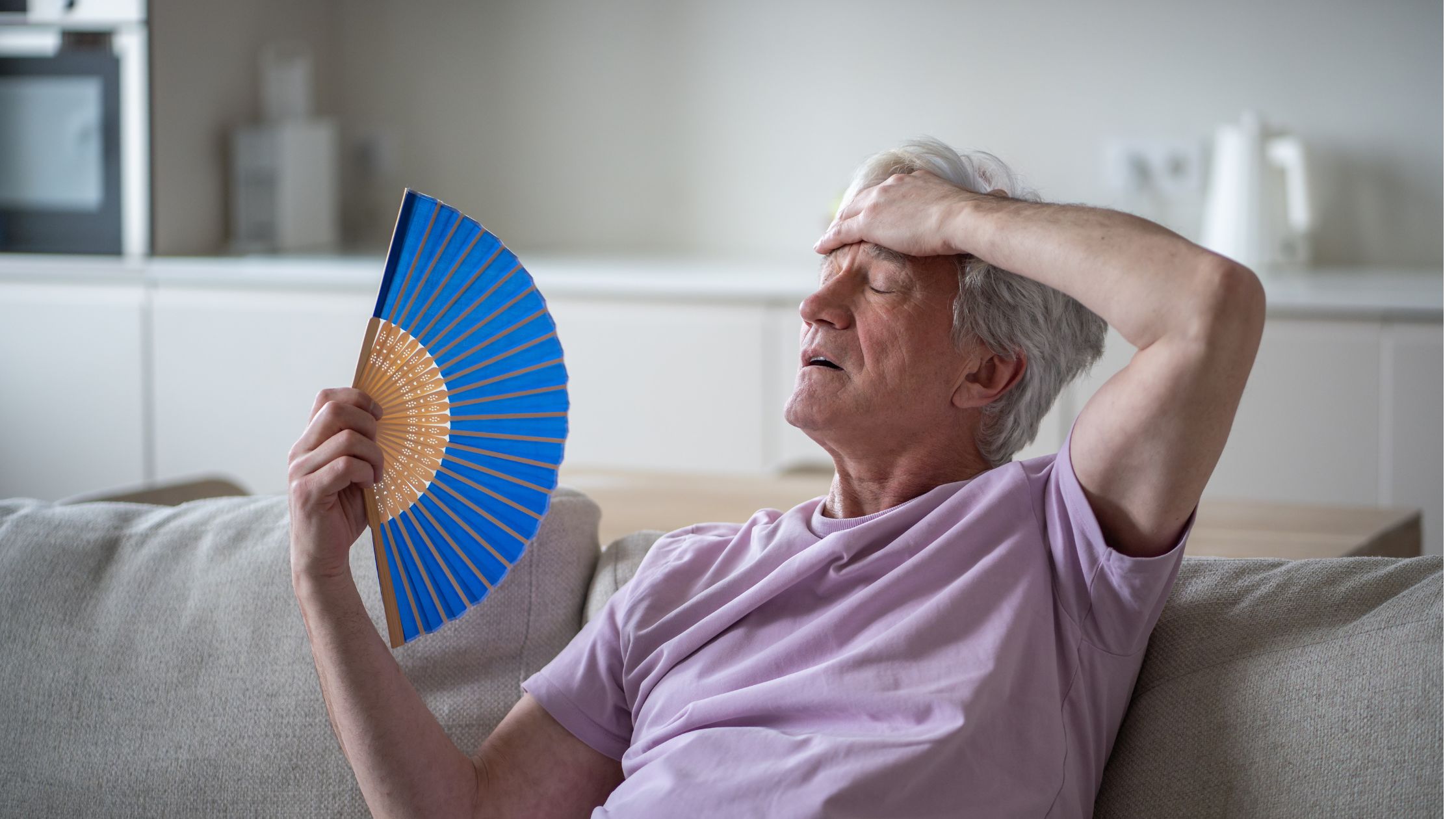
Paris is one of the European capitals most exposed to heatwaves. Behind this phenomenon lies a well-documented mechanism: the urban heat island. If you live in a Parisian apartment and your summer nights are unbearable, this phenomenon is likely to blame. Understanding how it works is already knowing where to act.
What Is the Urban Heat Island?
The urban heat island (UHI) is the temperature difference measured between a city centre and its outskirts or surrounding countryside. In Paris, this gap can reach 5 to 10 °C at night during summer — sometimes more during intense heatwave episodes.
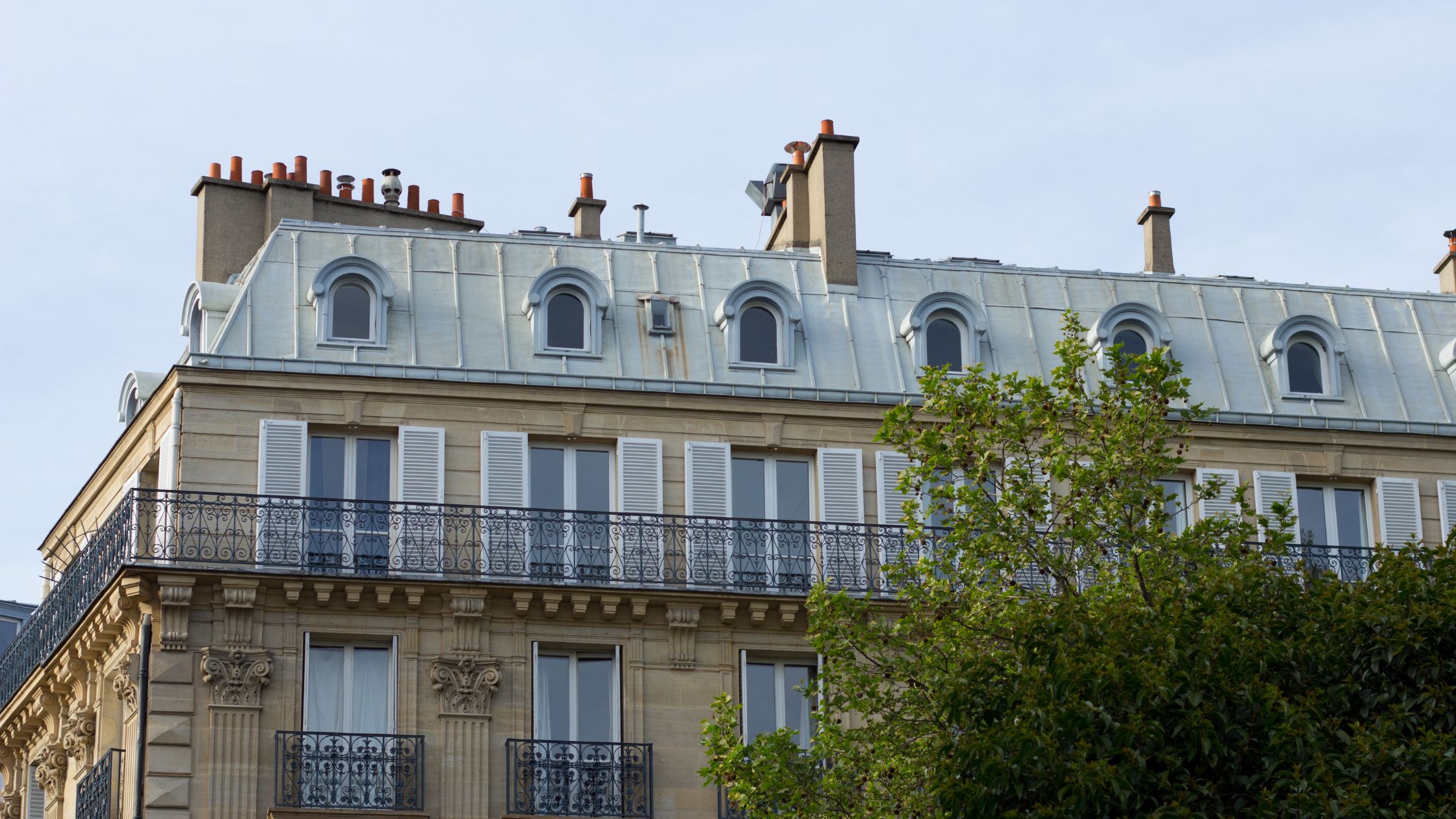
The mechanism is as follows: during the day, mineral surfaces (asphalt, zinc rooftops, stone facades) absorb solar energy and store the heat. At night, they release it slowly, instead of allowing the temperature to drop as it would in a vegetated area. The city thus "absorbs" heat and gradually releases it, preventing night-time cooling.
Heat Island vs Heatwave: Two Distinct Phenomena
A heatwave is a weather event that affects a wide geographical area. The urban heat island, on the other hand, is permanent and specific to the city: it simply amplifies the heatwave when one occurs. This is why night-time temperatures in Paris regularly exceed those of neighbouring municipalities, even without a declared heatwave episode.
Why Is Paris Particularly Exposed?
Several structural factors make Paris more vulnerable than the average European city:
– Built-up density: few open spaces to dissipate heat through natural convection
– Dominant mineral surfaces: streets, building courtyards, zinc rooftops, asphalt pavements — little ground-level vegetation for evapotranspiration
– Low surface albedo: dark materials (asphalt, slate, zinc) absorb more radiation than they reflect
– Anthropogenic heat: vehicles, air conditioning units, kitchens, industries — all these human activities release heat into the ambient air
– Geography: the Seine basin, surrounded by hills, limits wind and thermal dispersion
According to the IPCC and Météo-France, heatwaves could double in frequency by 2050. The climate context will only amplify the existing heat island effect.
Consequences in Residential Buildings
The heat island is felt directly inside apartments:
– Nights without cooling: when the outside temperature does not drop below 22–25 °C at night, the apartment cannot evacuate the heat accumulated during the day — even with good ventilation
– Multi-day accumulation: during a 5–7 day heatwave, walls and floors accumulate heat progressively; the home becomes increasingly difficult to cool down
– Top-floor effect: the typical Parisian zinc roof can reach 60–70 °C in direct sunlight, transmitting this heat directly to the top-floor ceiling
– Courtyards without vegetation: the courtyards of Haussmannian buildings, surrounded by stone, function as heat traps — hot air stagnates without renewal
What You Can Do at the Apartment Level
Without being able to change the city's structure, concrete actions exist at the individual level:
Protect against direct solar gain:
– Install external sun protection (shutters, awnings, solar films) to prevent radiant heating
– Use north-facing rooms during the day — less exposed, they naturally stay cooler
Optimise night-time ventilation:
– Open wide as soon as the outside temperature drops below the inside temperature (between 9 PM and midnight depending on the night)
– Create cross-ventilation to evacuate hot air stored in the walls
Reduce internal heat gain:
– Limit the use of heat-generating appliances during the day (oven, tumble dryer)
– Switch off unnecessarily powered standby devices
When these passive measures are no longer sufficient — particularly for vulnerable individuals or during repeated tropical nights — properly sized and set air conditioning may become necessary.
At the Building and Co-Ownership Level
The urban heat island is also a collective issue. Certain co-ownership decisions can significantly improve thermal comfort for all residents:
Green the common areas:
Plant evapotranspiration is a powerful thermal regulator. According to ADEME, a mature tree evaporates approximately 450 litres of water per day, which is equivalent to the cooling effect of 5 air conditioners running 20 hours a day. Planting boxes in the courtyard, green pergolas on the roof, or window boxes on the facade all contribute to cooling the air at building level.
Treat the rooftops:
Flat rooftops can be greened (green roof) or coated with high-reflectance paint ("cool roofs"), which reflects a greater share of solar radiation.
Improve interior courtyards:
Planting in paved courtyards, replacing asphalt with permeable or vegetated surfaces, installing fountains or ponds — all actions that allow heat to be evacuated through evaporation rather than stored.
These projects generally require a co-ownership general assembly decision but fall within well-established renovation frameworks.
Réseau Tubulure works on thermal comfort and climate control for Parisian co-ownerships. For your air conditioning, ventilation, or summer comfort improvement projects, contact us for a free quote.
Frequently Asked Questions
Why is it hotter in the city than in the suburbs?
The difference is due to several simultaneous causes: more impermeable surfaces that store heat, less vegetation for evapotranspiration, more anthropogenic heat released (vehicles, air conditioning, industry), and an urban geometry that traps radiation between buildings. At night, all these factors combine to prevent natural cooling.
Does greening really change the temperature?
Yes, measurably. Studies show differences of 2 to 5 °C between green streets and otherwise identical mineral streets. The effect is even more pronounced at the block or neighbourhood level. Plant evapotranspiration consumes solar energy to evaporate water, which removes that energy from air heating.
Are upper floors hotter than lower floors?
Generally, yes — particularly the top floors beneath the roof. The zinc roofing heats up strongly in the sun and radiates towards the top floor. Conversely, ground-floor apartments benefit from the coolness of the ground but may lack ventilation. Intermediate floors often enjoy a better balance but remain subject to the nocturnal heat island effect like all Parisian homes.
Contact Réseau Tubulure
Need a plumber or air conditioning specialist in Paris? Réseau Tubulure responds quickly throughout Paris and Île-de-France.