

Difference between a plumber and a heating engineer
Plumber or heating engineer? These two jobs are often mistakenly confused.
Although they both operate in the comfort and proper functioning of domestic sanitary facilities, their specialties and areas of intervention are not the same.
One masters water networks, the other takes care of heating and heat production systems.
In this article, we explain the difference between a plumber and a heating engineer, their respective roles, and why it is sometimes more advantageous to call on a plumber, like those from Réseau Tubulure Paris.
Two similar but distinct jobs
The plumber and the heating engineer share a common goal: to ensure comfort and safety in the home.
Historically, these jobs were separate. The plumber focused on the distribution of water, while the heating engineer managed the production of heat.
But with the evolution of technologies and needs, their skills have come closer together.
Today, the two professions often work hand in hand on the same construction site:
- The plumber installs water pipes and sanitary appliances.
- The heating engineer sets up the boiler, the radiators or the heat pump.
- Together, they ensure technical consistency between hot water networks and heating systems.
This is what gave birth to a complete profile: the plumber-heating engineer, capable of taking care of all the hydraulic and thermal installations of a home.
The role of the plumber: the expert in water and sanitary installations
The plumber is the reference professional for everything related to water, pipes and sanitary equipment.
It is he who ensures the proper distribution and evacuation of water in a home or a professional building.
The main missions of the plumber
The plumber intervenes at several levels:
- Complete installation of the water network (piping, supply, evacuation).
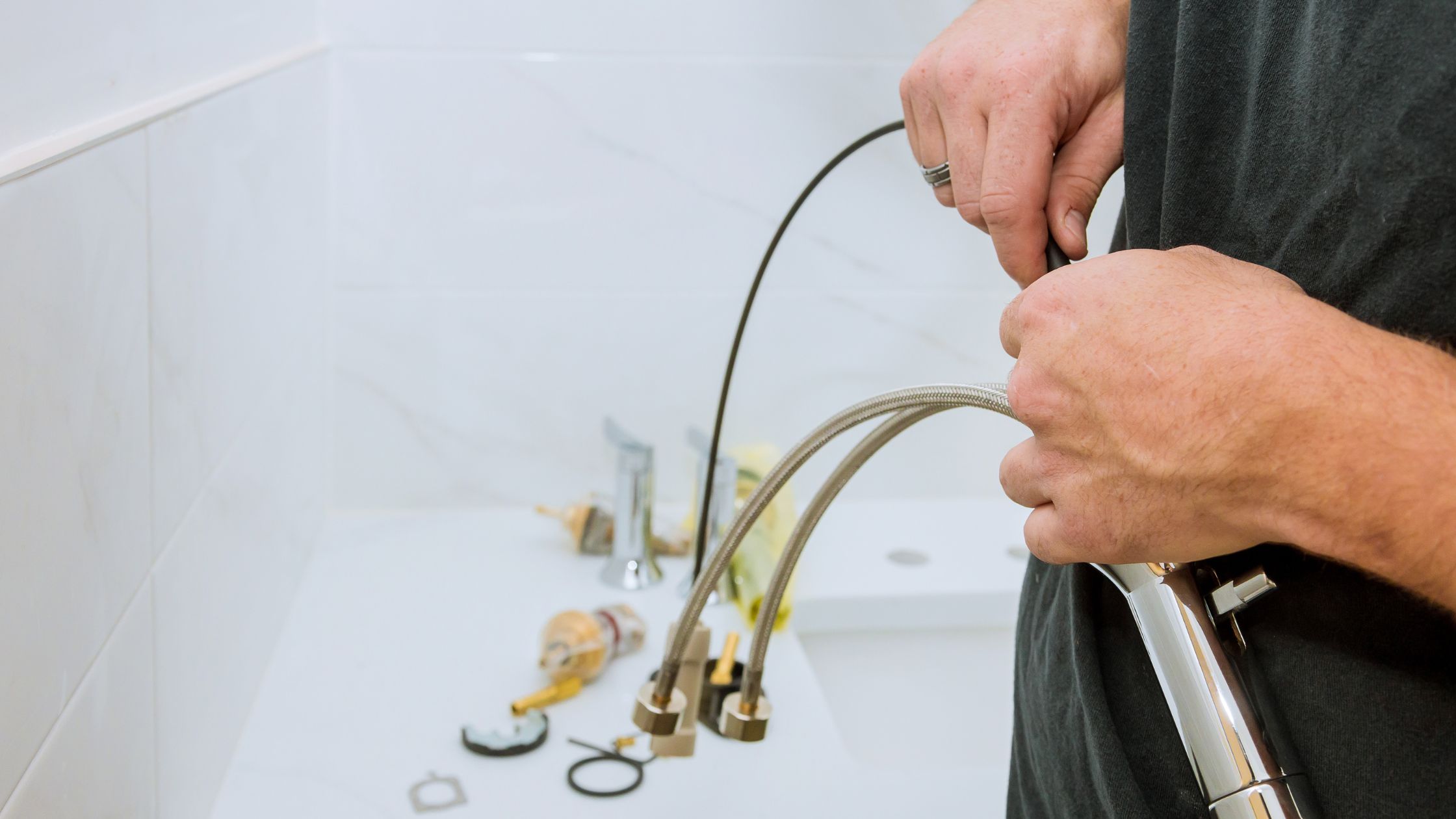
- Installation and replacement of sanitary appliances: sinks, toilets, showers, bathtubs, faucets, sinks.
- Repair of leaks and unblocking of pipes.
- Connection of household appliances (washing machine, dishwasher).
- Installation of electric or thermodynamic water heaters.
A good plumber is also a technician who can anticipate humidity, pressure, or corrosion problems before they cause significant damage.
The plumber's areas of intervention
The plumber can intervene:
- In the new one, to create a complete water and drainage network.
- Under renovation, to replace old lead, copper or PVC pipes.
- For emergency repair, to repair a leak, a broken faucet or a faulty hot water tank.
- For the upgrading of sanitary standards and the installation of water-efficient systems.
His work is based on precision and safety: a simple seal or pressure error can have costly consequences.
The role of the heating engineer: the specialist in thermal comfort
The heating engineer focuses on the production and distribution of heat in the home.
Its role is to guarantee a pleasant temperature throughout the year, while optimizing energy consumption.
The main missions of the heating engineer
The heating engineer intervenes throughout the heating and domestic hot water production network:
- Installation of gas, oil or electric boilers.
- Installation of radiators, heated floors or hybrid systems.
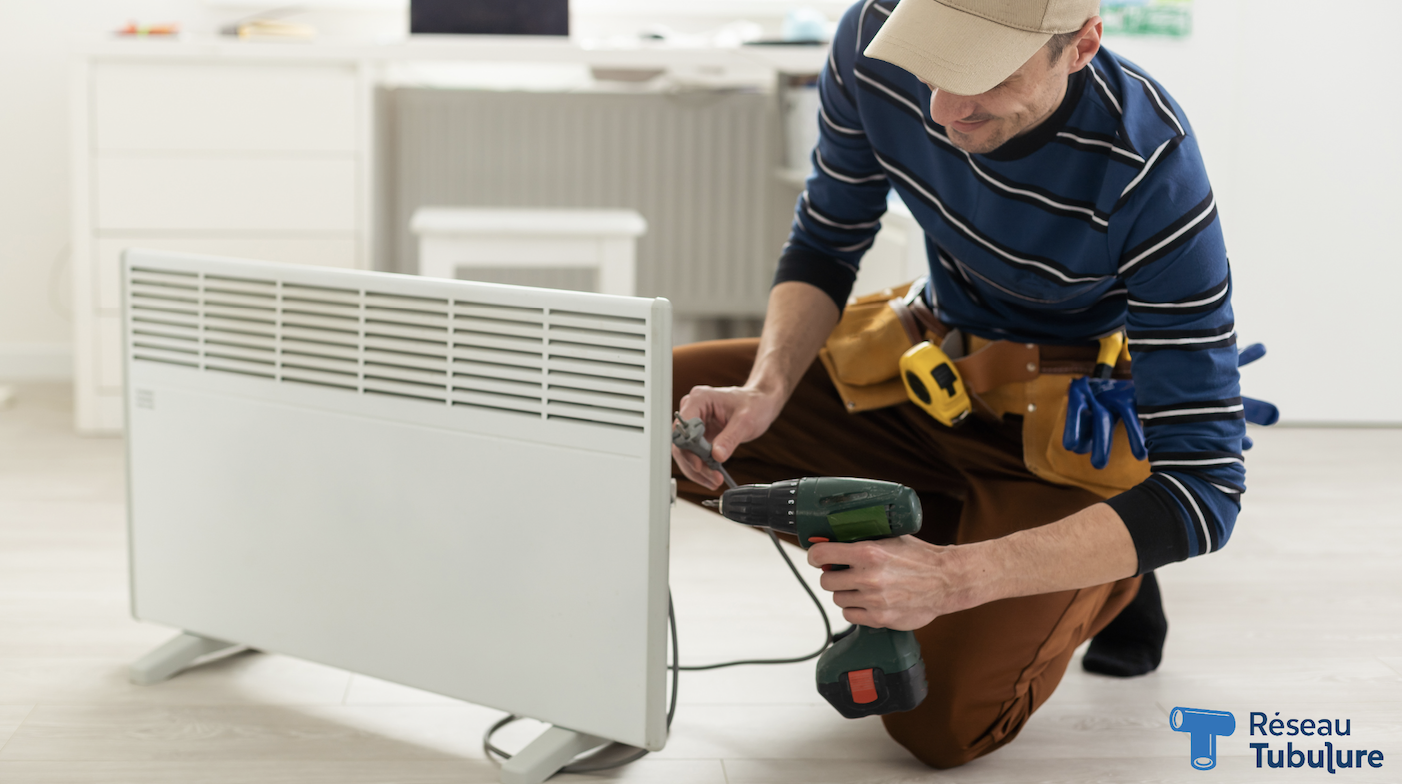
- Installation and maintenance of heat pumps or reversible air conditioners.
- Adjustment, removal and purging of heating circuits.
- Mandatory annual boiler maintenance.
A certified heating engineer also ensures the safety of gas installations, by checking the connections, ventilation and duct draught.
The areas of intervention of the heating engineer
The heating engineer is essential:
- During the energy renovation of a home.
- For the installation of modern heating systems (heat pump, reversible air conditioning).
- For troubleshooting, when a device breaks down in the middle of winter.
- For the annual maintenance contract, mandatory for some boilers.
Its expertise makes it possible to combine energy performance, comfort and safety.
The plumber and heating engineer: the double competence
Today, many professionals, including Réseau Tubulure Paris, have dual expertise in plumbing and heating.
The plumber-heating engineer combines the know-how of both professions, which allows complete management of the hydraulic and thermal network.
Its advantages:
- A single point of contact for your water, heating and bathroom installations.
- An overall vision that guarantees coherence between plumbing and heating system.
- Fast and optimized intervention on all types of breakdowns.
- Certified expertise, whether for boilers, water heaters or heat pumps.
Discover our complete plumbing and heating services
This versatile profile is ideal for new construction sites, global renovation or energy maintenance.
When should you call in a plumber, a heating engineer, or both?
The choice depends on the type of problem or project:
- Water, water heater, or leak problems → plumber
Examples: leak under the sink, broken faucet, clogged drain. - Heating or boiler problems → heating engineer
Examples: boiler failure, cold radiators, heat pump maintenance. - Complete installation or global renovation → plumber-heating engineer
Ideal for projects combining water and heating: bathroom, kitchen, heated floor, hot water tank.
A preliminary diagnosis by a professional often makes it possible to identify the right person and to avoid unnecessary repairs.
Why choose Tubulure Network?
Using Réseau Tubulure means choosing a versatile, qualified and certified team.
Our plumbers-heating engineers work in Paris and throughout Île-de-France for all types of needs: installation, maintenance, renovation or emergency.
Our strengths:
- RGE, Qualibat, Qualigaz and QualiPAC certified technicians.
- Fast, accurate and guaranteed interventions.
- Transparent quotes and personalized advice.
- Complete follow-up, from diagnosis to annual maintenance.
Whether you have a leak, a heating problem or a renovation project, we ensure a reliable and lasting intervention.
The plumber and the heating engineer have two complementary jobs:
- The first manages water and sanitary networks.
- The second controls heating and thermal regulation.
But for a complete, fast and consistent service, it is better to call on a plumber-heating engineer, able to take care of everything.
With Réseau Tubulure Paris, you benefit from global know-how, recognized certifications and personalized support for all your plumbing and heating needs.