

Ventilate at Night, Close During the Day: The Routine That Changes Everything in Summer
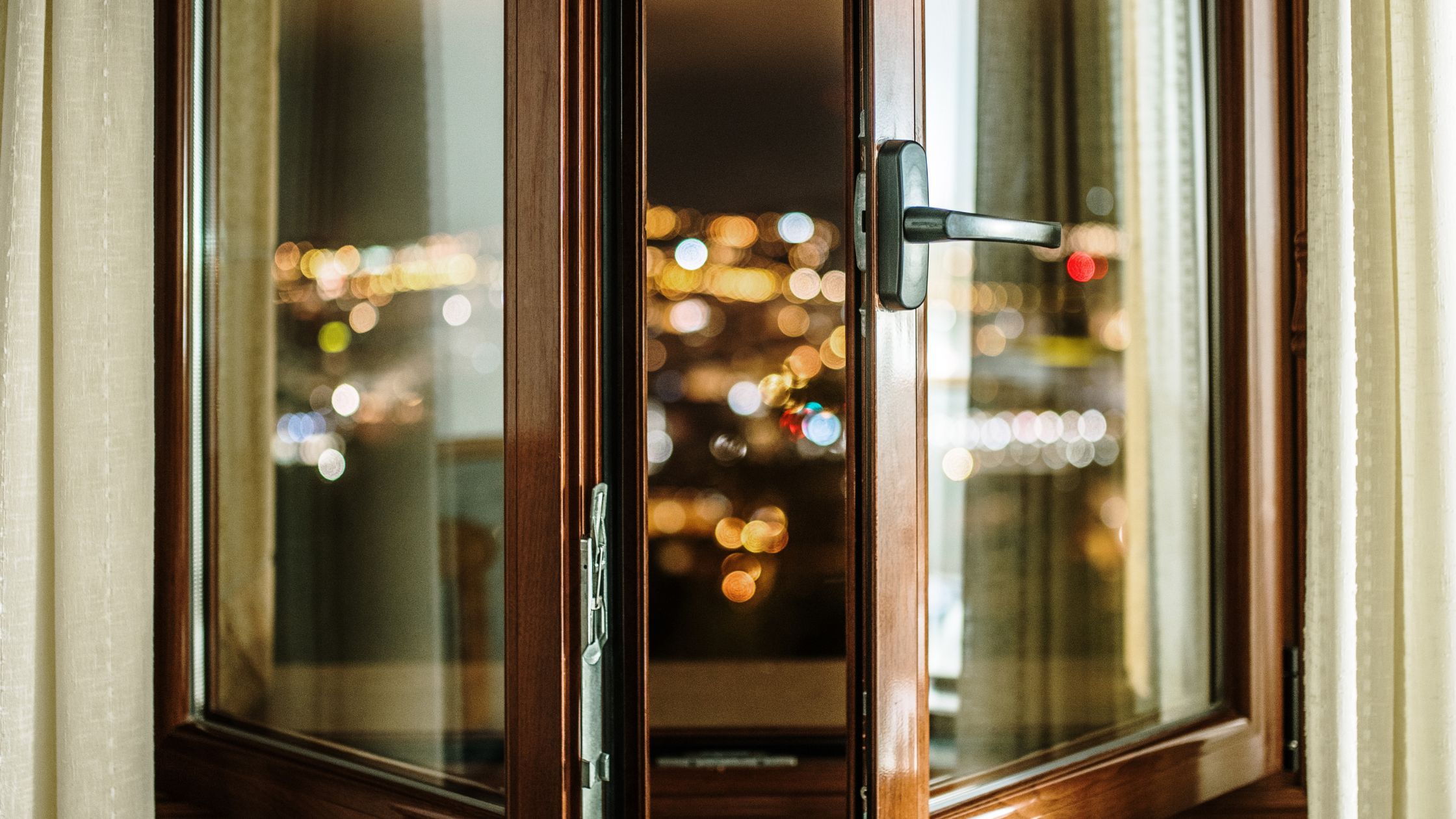
It is the simplest and most effective action against heat in an apartment: ventilate massively at night and close everything during the day. Yet many Parisians do exactly the opposite — windows open during the day "to get some air." The result: they let heat in instead of keeping it out. Here is how to apply the right routine, room by room, with the schedules and habits that actually work.
The Principle: Store Night-Time Coolness
The reasoning is physical, not intuitive. The goal is to take advantage of the temperature difference between day and night to "charge" the walls and floors with coolness during the night, then "close the lid" in the morning to keep that coolness as long as possible during the day.
A stone or concrete wall has high thermal inertia: it takes several hours to cool down, but once cooled, it also takes several hours to warm up again. This is the "thermal flywheel" you need to exploit.
In practice, by following this routine, you can maintain a difference of 4 to 7 °C between inside and outside during the hottest hours of the day — without air conditioning.
Morning and Daytime: Close Everything Early
The key moment is the morning. As soon as the outside temperature starts to rise — generally between 8 AM and 10 AM depending on the orientation — you need to close:
– The windows: airtight. Not "slightly open for a bit of air" — every current of hot air that enters heats the walls and undoes the night's work
– Shutters and blinds: completely, on all sun-exposed windows. A closed shutter blocks up to 80–90% of solar radiation
– Heavy curtains on windows without shutters (courtyard side, skylights)
Then, throughout the day: don't touch anything. The apartment is "sealed." Also avoid generating unnecessary heat inside (oven, tumble dryer, ironing — postpone to the evening).
Tip: Spot the Tipping Point
In the morning, compare the indoor temperature (a simple kitchen thermometer will do) to the outdoor temperature. As soon as the outside exceeds the inside, close everything. This tipping point comes earlier than you think — often between 8:30 and 9:30 AM in summer in Paris.
Evening and Night: Maximum Ventilation
In the evening, as soon as the outdoor temperature drops below the indoor temperature — generally between 8 PM and 10 PM depending on the day — it is time to open wide.
– Open all possible windows, not just one — the goal is to create cross-ventilation
– Create a draught: open windows on two opposite facades simultaneously (street and courtyard, east and west). Hot air evacuates, fresh air replaces it
– Place a fan in front of an open window, pointing outward, to speed up hot air evacuation — especially during the first hours
– Leave open all night if security permits. The air is coolest between 3 AM and 6 AM — every hour counts for cooling the walls
Adapting the Routine by Orientation
South-Facing Facade
The sun hits from 11 AM to 4–5 PM. This is the window to close first in the morning and to protect most carefully (shutters, blinds). In the evening, it will also be the last to cool down.
East-Facing Facade
The morning sun (6 AM–12 PM) is less intense but lasts a long time. Close the shutters at sunrise (6 AM in summer). This facade often "kicks off" the morning overheating.
West-Facing Facade
The late afternoon sun (2 PM–9 PM) is the most intense because it strikes when the air is already hot. An unprotected west-facing window is the worst-case scenario. Prioritise protection with an awning or solar film.
North-Facing Facade
No direct sunlight (or very little in midsummer). This is the "refuge" facade. North-facing room = daytime living room. You can leave the shutter open if the window is in the shade.
Common Mistakes
– Opening windows during the day when it is hot outside: this is the most common and most counterproductive reflex. Hot air enters and heats the walls — you lose hours of coolness
– Closing only windows without closing shutters: solar radiation passes through the glass and heats the room even with the window closed. Without shading, the effect is limited
– Opening too late in the evening: if you wait until midnight to ventilate, you lose 2–3 hours of effective ventilation. Check the outdoor temperature from 8 PM
– Closing too early in the morning: the air is still cool at 7–8 AM — take advantage of the last hour of coolness before sealing up
– Using a fan with windows closed during the day: the fan moves hot air without renewing it — it does not replace night-time ventilation
Single-Aspect Apartments: Adapting
If all windows face the same direction (common in studios and small Parisian apartments), cross-ventilation is impossible. Adaptations:
– Leave the front door slightly ajar if the common hallway is cooler (check with neighbours)
– Place a fan facing the open window, pointing outward, to create a forced outward airflow — fresh air enters through gaps on the other side of the apartment
– As a last resort, alternate: open wide for 10 minutes to renew the air, then close and use the fan to circulate
The ventilate/close routine remains the first reflex to adopt before even considering air conditioning. If despite everything your home remains unliveable at night, Réseau Tubulure can help you find a suitable air conditioning solution. Contact us for a free quote.
Frequently Asked Questions
What time should I close the windows in the morning?
As soon as the outdoor temperature exceeds the indoor temperature — generally between 8:30 and 10 AM in summer in Paris. A thermometer placed near the window makes it easy to spot this tipping point. The earlier you close, the more night-time coolness you retain.
Should I close interior doors?
During the day, with windows closed: leave interior doors open so cool air circulates throughout the apartment. At night, with windows open: also leave doors open to encourage cross-ventilation. The only exception: if one room receives direct sunlight and heats up more than others, close its door to avoid "contaminating" the rest of the apartment.
What if the apartment is single-aspect?
Without cross-ventilation, natural ventilation is less effective but still useful. The best compromise: a fan positioned facing the open window, blowing outward, creates a suction effect that forces air renewal. Another option: leave the front door slightly ajar if the building hallway is cooler. If no passive solution is sufficient, a suitable air conditioning system remains the best option.
Contact Réseau Tubulure
Need a plumber or air conditioning specialist in Paris? Réseau Tubulure responds quickly throughout Paris and Île-de-France.