

Toilet That Keeps Blocking: When It's No Longer a Simple Blockage
A manual unblocking that works for a few days, then the same problem returning relentlessly: a toilet that keeps blocking goes well beyond an isolated incident and generally signals a deeper problem on your waste pipe. This guide explains why a one-off blockage differs fundamentally from a recurring one, and why the latter deserves a professional diagnosis rather than another manual unblocking attempt.
The repetition of the problem is in itself valuable information. An isolated blockage, caused for example by excess paper, is generally resolved definitively with a simple unblocking. A blockage returning regularly, however, almost always indicates a structural cause on the waste network, which a simple one-off unblocking never treats at the root.
Why a toilet blocks recurrently
Several distinct causes can explain an obstruction that keeps returning, despite repeated unblocking attempts.
A badly sloped waste pipe
Toilet waste relies on a precise slope allowing matter and water to flow naturally by gravity towards the main network. If this slope is insufficient, badly done during earlier work or sagging over time, residue stagnates instead of draining completely, creating the conditions for a new blockage at almost every use.
An insufficient or partly obstructed pipe diameter
A pipe partly obstructed by deposits of scale, grease or residue accumulated over the years has its usable diameter reduced, making it far more prone to new blockages, even for otherwise entirely normal use.
Tree roots infiltrated into the pipe
For ground-floor homes or detached houses, nearby tree roots can gradually infiltrate buried pipes through tiny cracks, creating recurring obstructions that worsen as these roots keep growing.
A flush lacking power
A faulty or badly adjusted flush mechanism, no longer releasing the quantity of water needed for complete evacuation, can leave residue that accumulates progressively at each use, until it forms a complete blockage.
A shared collective pipe in a condominium
In some buildings, several homes share a section of waste pipe before connection to the main network. A structural problem on this common section can cause recurring blockages that seem purely private when their origin is in fact collective.
Why repeated manual unblocking is not enough
It is important to understand the fundamental difference between treating a symptom and treating a cause. A manual unblocking, with a plunger or a drain snake, effectively treats an isolated blockage by moving or fragmenting it to let water flow again. But if the underlying cause remains in place, whether an insufficient slope, a reduced diameter or infiltrated roots, the same phenomenon will inevitably recur, often within an increasingly short delay.
This cycle of repeated unblockings, besides being frustrating day to day, delays the moment when the real cause is finally treated, while the structural problem keeps worsening silently.
The professional diagnosis: camera inspection
Faced with a recurring blockage, the most reliable method for identifying the exact cause is inspecting the pipe with an endoscopic camera. This tool, introduced directly into the pipe, allows the internal state of the network to be viewed in real time: presence of roots, sagging slope, accumulated deposits, crack or connection defect.
This direct visual inspection eliminates guesswork and allows the necessary repair to be targeted precisely, whether a simple high-pressure cleaning, a slope correction on a faulty section, or a section replacement.
The lasting solutions according to the identified cause
Once the cause is precisely identified by the inspection, several lasting solutions can be implemented:
A professional high-pressure cleaning to remove deposits accumulated along the whole length of the pipe.
A correction of the waste slope if it proves insufficient or sagging on a section of the network.
A section replacement if the pipe shows a crack or root infiltration at a precise point.
Replacement of the flush mechanism if it proves insufficiently powerful.
Coordination with the condominium if the cause lies on a common section of the network.
For one-off simple blockage problems, our article on tips for avoiding blocked pipes usefully complements this guide.
Preventing recurrence once the problem is treated
Once the structural cause is identified and durably treated, a few simple habits limit the risk of recurrence. Avoid flushing wipes down the toilet, even those labelled biodegradable, cotton buds or any other object not intended to be disposed of this way, as these elements significantly contribute to forming new blockages.
Regularly checking the flush pressure and preventive maintenance of the pipe also help anticipate a new degradation.
The particular case of older Parisian buildings
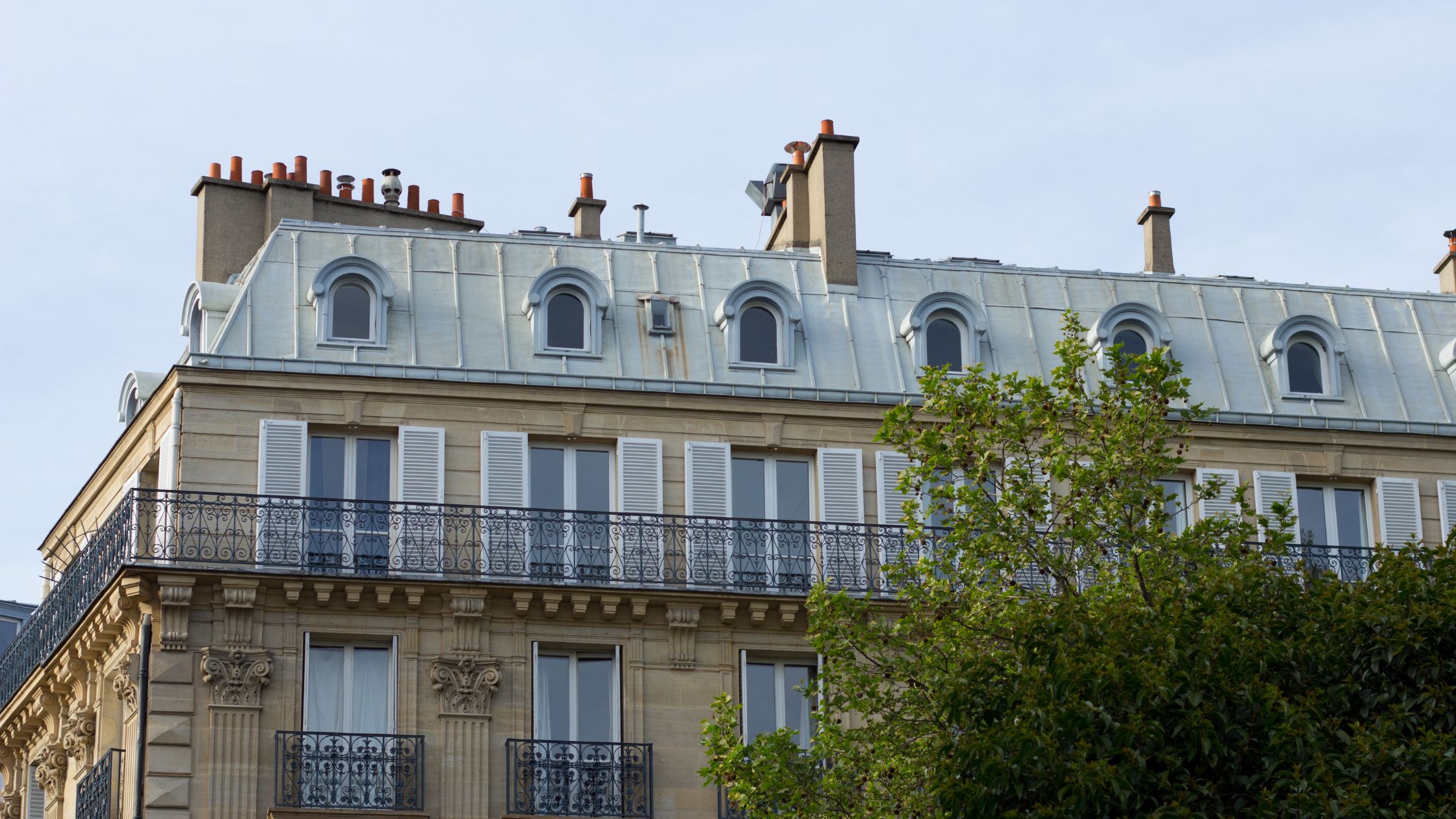
In Parisian buildings constructed several decades ago, the original waste pipes sometimes present design flaws that only fully appear after years of use: an initially undersized diameter, an insufficient slope from construction, or materials that degrade progressively with age.
If you occupy an older home and this problem recurs despite reasonable usage habits, the trail of a structural flaw inherited from the original construction deserves to be seriously considered.
The cost of an inspection versus repeated unblockings
Many people delay the camera inspection out of fear of its cost, even though repeated manual unblockings, each billed individually, often end up representing a cumulative expense higher than that of a full diagnosis followed by a definitive repair.
Beyond the purely financial calculation, the repetition of the same problem also represents a mental burden and real daily discomfort.
Condominium: when several homes are affected
If you observe that other homes in your building experience the same recurring blockage problem at roughly the same time, the cause is probably on a common section of the waste network. In this case, the correct approach is to inform the condominium's building manager rather than having each home treated separately.
A global diagnosis of the common section, commissioned by the manager, allows the exact cause to be identified and treated once for all affected homes.
Choosing the right professional
Not all plumbing firms necessarily have endoscopic camera inspection equipment, a specialised tool representing a substantial investment. Before calling a professional for a recurring blockage, check that they do have this tool rather than limiting yourself to another manual unblocking.
A professional equipped with this technology generally shows you the images captured live or gives you a recording, which lets you concretely understand the identified cause and validate the proposed solution.
Frequently asked questions
How many manual unblockings before consulting a professional?
If the problem recurs more than twice in a few weeks despite an apparently effective unblocking each time, it is time to move to a professional camera diagnosis.
Is a camera inspection necessary for every blockage?
No, an isolated and one-off blockage is generally resolved by a simple unblocking. It is the recurrence of the problem that justifies this more thorough diagnosis.
Can a frequently blocking toilet damage the whole pipe?
Yes, if the cause is not treated, repeated blockages can progressively worsen the initial problem, notably where infiltrated roots keep growing, making the final repair more substantial.
In summary
A toilet that keeps blocking is never a repeated coincidence: it almost always signals a structural cause, insufficient slope, partly obstructed pipe, infiltrated roots or faulty flush, that a simple manual unblocking never treats durably. A camera inspection allows the cause to be identified precisely and the suitable solution applied.
Reseau Tubulure diagnoses recurring blockages by camera inspection in Paris and the inner suburbs. Contact us to be done with this problem for good.
Contact Réseau Tubulure
Need a plumber or air conditioning specialist in Paris? Réseau Tubulure responds quickly throughout Paris and Île-de-France.