

Setting Your AC to 26 °C: Why It Halves Your Energy Bill

It is one of the most telling figures in air conditioning: according to ADEME, switching from a 22 °C to a 26 °C set point cuts electricity consumption in half. Four small degrees, half the bill. Yet most users set their air conditioning well below 26 °C. Here is why this setting is the best trade-off between comfort and savings — and how to optimise the other parameters of your installation.
The Right Set Point: 26 °C
ADEME recommends setting air conditioning to 26 °C during the day and 28 °C at night. These values are not arbitrary: they correspond to the thermal comfort threshold for most people indoors, wearing light clothing (shorts, t-shirt).
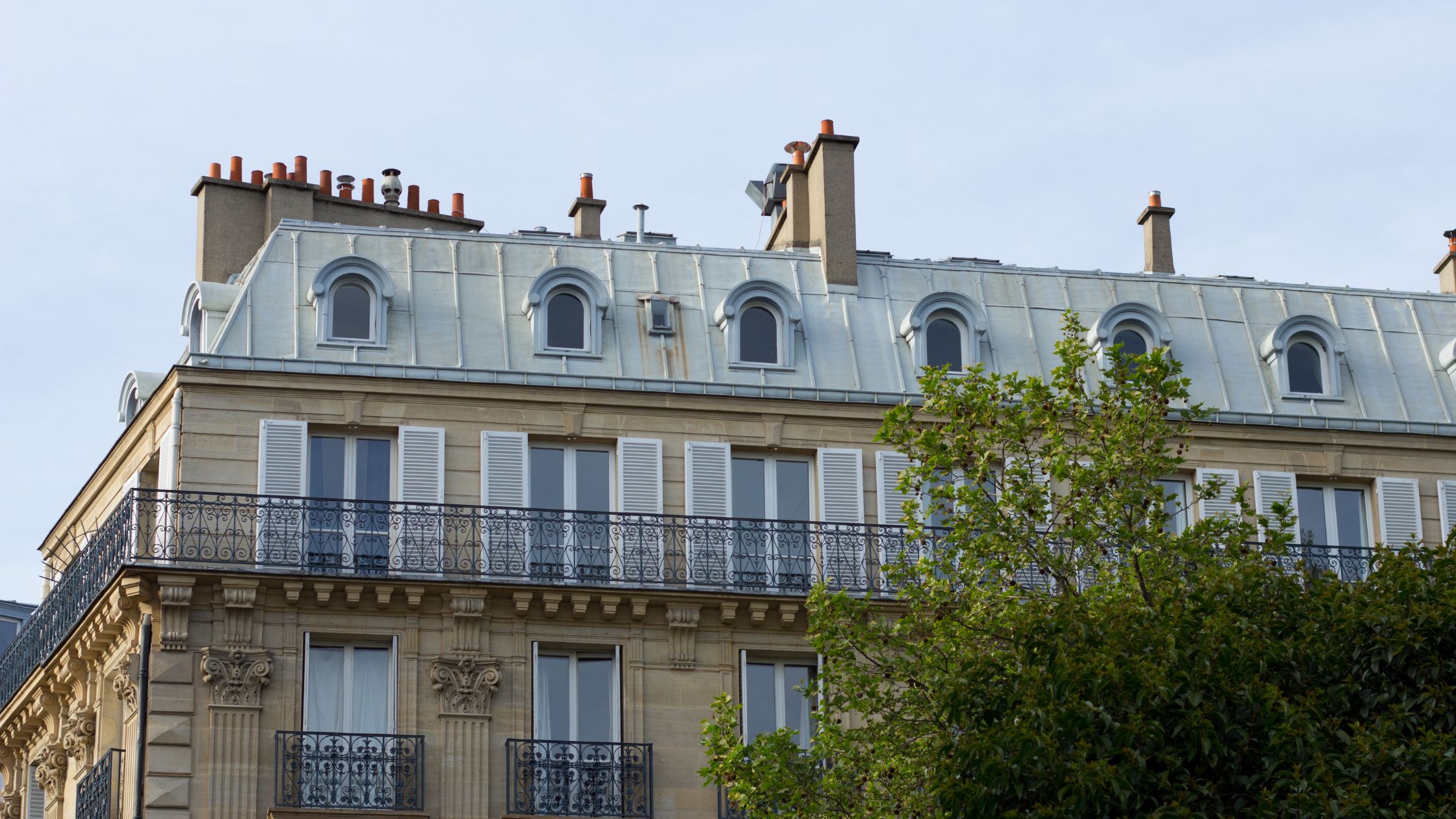
At 26 °C, the sensation of coolness is real compared to the 32–35 °C of an uncooled Parisian apartment during a heatwave. The difference from 22 °C is barely noticeable after a few minutes — the body adapts quickly.
In France, the total residential air conditioning stock consumes approximately 4.9 TWh per year according to ADEME. This is still marginal (approximately 1% of the residential sector's energy consumption), but every degree lower on the set point increases the bill by approximately 15 to 20%.
Why 4 °C Makes All the Difference on Your Bill
The relationship between the set temperature and consumption is not linear — it is exponential. The greater the gap between the outdoor temperature and the set point, the longer and harder the compressor runs.
Orders of magnitude:
– At 26 °C: the compressor runs intermittently, with short cycles — it maintains a 6–8 °C gap with the outside
– At 22 °C: the compressor runs almost continuously to maintain a 10–12 °C gap — consumption doubles, or even triples in extreme cases
– At 20 °C (which some users programme): the system is in permanent overdrive, wear accelerates, and the bill can triple compared to 26 °C
The ADEME figure "÷2 between 22 °C and 26 °C" is an average order of magnitude validated by field measurements. The actual savings depend on the home's insulation, the appliance's efficiency (COP/SEER), and the outdoor temperature.
The Maximum Gap with the Outside
Another important benchmark: never exceed a gap of 5 to 7 °C between the outside and the indoor set point. An excessive gap causes:
– Thermal shock with every entry/exit — uncomfortable and potentially risky for vulnerable individuals (dizziness, fainting)
– Condensation on cold surfaces — risk of mould in the medium term in an overcooled apartment
– Mechanical overconsumption — the unit strains to maintain an unrealistic gap
If it is 36 °C outside, setting the AC to 29–30 °C is more sensible and comfortable than 22 °C. The body perceives the difference without experiencing thermal shock.
Other Settings That Lower Consumption
Night Mode / Silent Mode
Most air conditioners have a night mode that gradually raises the set point by 1–2 °C overnight. Metabolism drops during sleep, so a slightly higher temperature is tolerable. This mode reduces consumption by 10 to 20% over 8 hours.
Timer Programming
Programming the AC to switch off when nobody is home (absence, going out) avoids hours of unnecessary operation. If your unit has a timer or programmable remote, set it to turn off 30 minutes before waking up or leaving.
Airflow Direction
Directing the airflow upward (not directly at occupants) allows better distribution of coolness throughout the room and avoids the localised cold sensation that tempts people to lower the set point.
Close Unused Rooms
Cooling only occupied rooms and closing the doors of empty rooms concentrates the unit's effort on a smaller volume — it reaches the set point faster, cycles off more often, and consumes less.
Maintenance = Performance
A poorly maintained air conditioner consumes 10 to 30% more than normal:
– Clogged filters: the unit strains to pull air through a blocked filter. Clean filters every 2 to 4 weeks during the usage period (a simple 5-minute operation, no technician needed)
– Dirty heat exchanger: dust and grime on the indoor split unit's fins reduce heat exchange. Annual professional cleaning recommended
– Low refrigerant: even a slight leak reduces cooling capacity and increases consumption — the compressor compensates by running more. Leak testing is mandatory above certain refrigerant charge thresholds
A well-maintained unit consumes less, lasts longer, and cools better — it is the most cost-effective lever after the right set point.
Réseau Tubulure provides air conditioning maintenance and repair services in Paris. If you suspect overconsumption or declining performance, contact us for a diagnostic.
Frequently Asked Questions
What temperature should I set during the day and at night?
ADEME recommends 26 °C during the day and 28 °C at night (night/silent mode). These values offer real comfort while limiting consumption. The key is never to go below a 5–7 °C gap with the outside.
Should I turn off the AC when leaving the apartment?
For an absence of more than 2 hours: yes, turn off or programme a shutdown. For a short absence (30 minutes), it is more economical to leave the unit at 28 °C than to turn it off and restart — the consumption spike on restart in a reheated room costs more than maintaining a slightly raised temperature.
Is an excessive gap with the outside risky?
Yes, beyond a 7–8 °C gap, every transition between indoors and outdoors causes a thermal shock that can lead to discomfort, especially in elderly people or those with heart conditions. Furthermore, an excessive gap promotes condensation and mould, and forces the unit to run continuously — accelerated wear and overconsumption.
Contact Réseau Tubulure
Need a plumber or air conditioning specialist in Paris? Réseau Tubulure responds quickly throughout Paris and Île-de-France.