

The Plumber's Glossary
Aerator
A small device placed at the end of a faucet or mixer. It mixes air with water to reduce consumption and soften the jet. It also helps to avoid splashes and to regulate pressure.
Water supply
Piping network that brings drinking water from the general meter to the various water points in a home. It includes main lines, shut-off valves, hoses, and branch lines.
Anode
A metal element (often magnesium or titanium) installed in a water heater to protect the tank against corrosion. It dissolves slowly in place of the tank: this is the principle of the sacrificial anode. It should be checked or replaced regularly.
Anti-ram
Device that absorbs pressure surges in pipes, i.e. hydraulic shocks caused by the sudden cessation of water. It protects pipes, joints, and sensitive devices.
Anti-return (valve)
Part that prevents water or fluid from flowing in the opposite direction. Essential to avoid the contamination of the drinking water network or the backflow of wastewater.
Sanitary appliance
Refers to any equipment connected to a water installation: sink, sink, sink, shower, shower, bath, toilet, bidet, etc. Each device must be connected to a water supply and a proper drain.
Water inlet
Connection point where water enters a home or an appliance (washing machine, hot water tank, etc.). It can be general (on the counter) or specific (per room).
Emergency stop
System for quickly shutting off the water (main tap or valve) allowing the supply to be interrupted in the event of a leak or repair. It should be easily accessible.
Condensate vacuum
Pump used in air conditioning systems to remove condensate (water resulting from condensation). It is necessary when evacuation by gravity is not possible.
assembly
Method of joining two pipes or plumbing parts. The techniques vary according to the materials: solder (copper), soldering, bonding (PVC), crimping (PER, multilayer), screwing or compression.
Noise attenuator
Accessory installed in ventilation ducts or networks to reduce the noise generated by ventilation, air conditioning or heating. Often integrated into ducts or air vents.
Autoclave
Pressurized tank intended to store and distribute water in pump systems. It regulates the pressure and prevents the pump from starting too often.
Heating aid
Complementary element of a main heating system (e.g. electrical resistance in a heat pump). It intervenes when the outside temperature is too low to maintain thermal comfort.
Air advance
Adjustment in certain gas or oil burners to optimize the air/fuel mixture for complete combustion and optimal efficiency.
Faucet shaft
Internal metal rod allowing the opening or closing of the passage of water inside a faucet. It is the moving part that activates the faucet head.
Nitrogen (gas)
Neutral gas used for cleaning and testing the tightness of refrigeration or air conditioning circuits. It allows impurities to be purged before commissioning.
Hot water tank
Tank used to store sanitary water heated by an electrical resistance, a heat pump or a solar system. Capacity varies according to the number of people in the household. We also speak of “water heater” or “cumulus”.
Support frame
Metal structure fixed in the wall to support a suspended toilet, a washbasin or a bidet. It conceals the tank and the pipes, while allowing an aesthetic and stable installation.
Bouchon
Closing element for a pipe or pipe. It allows you to block a thread, to terminate a network or to carry out a tightness test. The plugs are available in brass, PVC, copper or steel.
Heating loop
Closed circuit in which the heat transfer fluid circulates between the boiler and the radiators or heated floors. Good circulation ensures uniform heating in all rooms.
Hook-up
Connecting a device, equipment, or network to a main pipe. Examples: connecting the washing machine, water heater, or kitchen faucet.
Solder
Technique for assembling metal tubes (copper, brass) using a molten filler metal. The solder ensures the tightness and solidity of the connections. A distinction is made between soft solder (tin) and strong solder (silver).
Bride
A metal ring or plate with holes used to connect two pipes or to fix a valve. It allows easy dismantling of the network for maintenance or replacement.
Burner
Component of a gas/oil boiler or water heater. It mixes fuel and air to produce the flame that heats the fluid. Proper burner adjustment is critical to safety and energy efficiency.
Buse
Duct used for the evacuation of combustion gases (boiler, stove) or ventilation. It can be rigid or flexible depending on the type of installation.
Bypass
Bypass allowing a fluid to circulate in an alternating circuit. Used to bypass part of the system during maintenance or to balance flow rates in heating installations.
Safety block
Device installed on an electric hot water tank. It prevents overpressure in the tank by evacuating excess water when it heats up. It also acts as a check valve.
Air vent
Opening allowing the entry or exit of air into a ventilation system (VMC, air conditioning). It helps to renew the air and evacuate indoor humidity.
Domestic hot water loop (ECS)
Piping system ensuring the continuous circulation of hot water in collective buildings or hotels. It allows you to have hot water instantly at the tap, without waste.
Decoupling bottle
Hydraulic element separating the heat production circuit (boiler, heat pump) from the distribution circuit. It stabilizes flows and prevents hydraulic imbalances in central heating installations.
Thermostatic bypass
Accessory used in heating circuits to maintain minimum flow when all thermostatic valves are closed. It prevents overpressure in the boiler or heat pump.
Sanitary block
Prefabricated set combining several sanitary devices (sink, WC, shower). Used in particular in modular construction sites, hotels, hospitals or collective housing.
Limestone
Mineral deposit present in hard water, composed mainly of calcium carbonate. It builds up in pipes, water heaters, and faucets, reducing flow and energy efficiency. A water softener limits its effect.
Canalization
Piping used to transport a fluid (water, gas, air). The pipes can be made of copper, PVC, PER, PE, multilayer or steel depending on the use. Their tightness and correct slope are essential for the proper functioning of the network.
Thermal sensor
Element of solar thermal systems that capture the sun's heat to heat sanitary water or contribute to heating.
Coring
Technique consisting in drilling a wall or a slab using a core drill to pass a pipe, duct or drain pipe.
Non-return valve
Device preventing the backflow of water into a pipe. It protects the drinking water network from contamination and maintains stable pressure in the system.
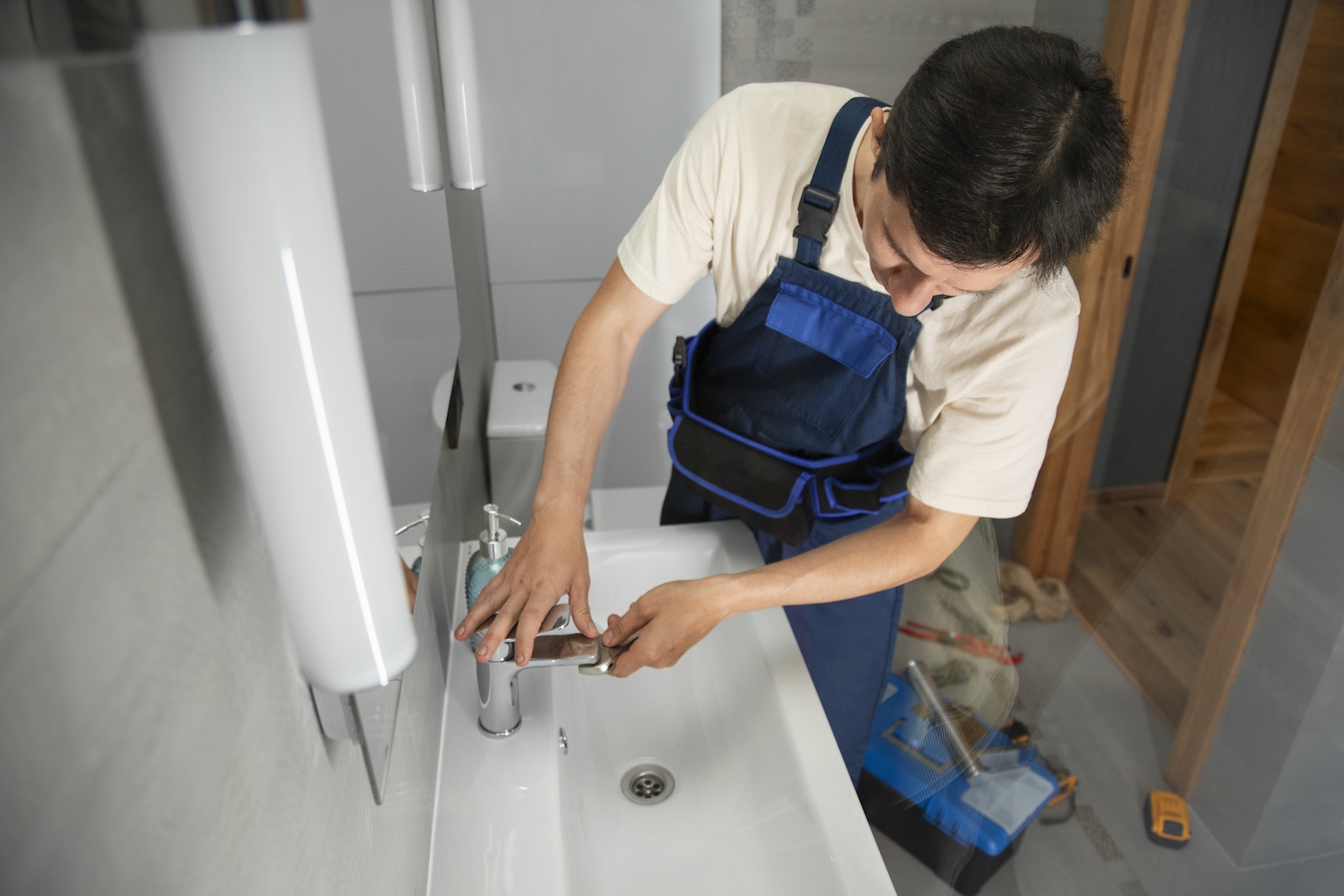
Adjustable wrench
An adjustable tool used by plumbers to tighten or loosen nuts and fittings of various sizes.
Collector
Main room used to distribute hot or cold water to several points in the home. It centralizes the outflow of pipes to each sanitary device.
Fall column
Vertical pipe through which wastewater or storm water from a building flows. It must be well ventilated to avoid bad odors and backflows.
Water meter
Device measuring the quantity of water consumed in a home or premises. It is often accompanied by a general shut-off valve.
Compressor
Essential component of an air conditioning or heat pump system. It pressurizes the refrigerant to allow heat exchange. Its good condition determines energy efficiency.
Condensates
Liquids produced by condensation in heating, air conditioning or ventilation systems. They need to be evacuated properly to avoid overflows and mold.
Condenser
Heat exchanger for an air conditioner or a heat pump where the refrigerant releases the recovered heat. It transforms gas into liquid to complete the refrigeration cycle.
Smoke duct
A pipe used to remove combustion gases from a gas boiler, stove, or water heater. It must be waterproof, heat resistant and in accordance with current standards.
Coude
Piping element that allows the direction of a pipe to be changed. There are elbows at 45°, 90° or adjustable according to needs.
Expansion slide
Part used in PVC or multilayer networks to absorb variations in pipe length due to heat.
Heating curve
Parameter in boilers and heat pumps that regulates the heating temperature according to the outside temperature. It optimizes comfort and consumption.
Strainer
Metallic filter placed at the inlet of a pump or hydraulic circuit. It prevents impurities from entering the system.
Copper
Metal widely used in plumbing for its qualities of durability, pressure resistance and thermal conductivity. Copper installations are known to be reliable and durable.
Cumulus
Common name for electric storage water heaters. It stores and heats a quantity of water in an insulated tank, ready to use.
Disgorgement
Operation consisting in unblocking a pipe obstructed by waste, fat or roots. It is done using a ferret, a manual pump or a high-pressure jet.
Expansion valve
Part that reduces and regulates the pressure of a fluid (gas, water or refrigerant) in an installation. In air conditioning systems, it controls the pressure before it is passed through the evaporator.
Flow meter
Instrument measuring the flow of a fluid circulating in a pipe. Used to control the performance of a heating circuit or heat pump.
Heat loss
Heat loss from a home through walls, windows, roof, or floor. Good insulation and an efficient heating system can reduce it.
Derivation
Secondary connection that diverts part of the water flow from a main line to an appliance or other pipe.
Descaling
Maintenance procedure consisting in removing limescale accumulated in a water heater, faucet or pipe. It extends the life of equipment and improves performance.
Defrosting
A process used in heat pumps and air conditioners to remove frost that forms on the outdoor unit. It is done automatically by reversal of the cycle.
Sludge removal
Complete cleaning of the heating circuit to remove sludge, oxides and deposits accumulated in radiators and pipes. It improves energy efficiency and prevents breakdowns.
Dehumidifier
Device that reduces the humidity level in the ambient air. It is often integrated into air conditioning systems to improve interior comfort.
Desuperheater
Component of a refrigeration system that reduces the temperature of the fluid before condensation. It improves the overall performance of the circuit.
Direct relaxation
Principle of operation of certain air conditioners where the refrigerant circulates directly in the indoor air exchanger without an intermediate hydraulic loop.
Dilatation
Phenomenon of elongation of pipes under the effect of heat. The installations must incorporate devices to absorb it (sliding collars, expansion sleeves).
Health distribution
Internal network of a building ensuring the distribution of hot and cold water to the sanitary devices.
Hand shower
Small flexible head connected to a hose, used in showers, bathtubs or sinks. Some showers save water thanks to an integrated aerator.
Drainage
Draining of seepage or condensation water using perforated pipes or drains. Indispensable for protecting foundations and technical installations.
Landfill
Drainage pipe for sewage or rainwater. It must be sized and ventilated properly to avoid backflows.
Thermostatic holder
Air conditioning system device that automatically regulates the quantity of refrigerant injected into the evaporator according to cold demand.
Double flow (ventilation)
Controlled mechanical ventilation (VMC) system that extracts stale air while blowing in new preheated air through an exchanger. It improves air quality and limits heat losses.
Ductile
Refers to a material capable of deforming without breaking. Copper, for example, is a ductile metal, which makes it easier to use in plumbing.
Sanitary water
Water used for domestic needs: drinking, cooking, hygiene and cleaning. It must be drinkable and in accordance with the quality standards defined by the health authorities.
Grey water
Domestic wastewater from showers, sinks or washing machines. They are less polluted than black water (toilets) and can be reused after treatment.
Hard water
Water containing a high concentration of calcium and magnesium salts. It causes limescale to form and can damage household appliances and pipes.
Softened water
Water whose hardness has been reduced thanks to a softener. It limits calcareous deposits, improves comfort and extends the life of installations.
Heat exchanger
A device that transfers heat from one fluid to another without mixing them. Used in boilers, heat pumps, and air conditioners to effectively heat or cool.
Solenoid valve
Electrically controlled valve that regulates the passage of a fluid in a circuit. It is often used in automated air conditioning, sprinkler, or heating systems.
Mouthpiece
Part used to connect or terminate a pipe. The tips can be threaded, crimped or glued depending on the type of pipe.
Evacuation
Duct system that removes wastewater or storm water from a building into the sewers or a septic tank. Good sizing prevents backflow and bad odors.
Vent
Small vertical duct used to ventilate wastewater discharge columns. It balances the pressure and prevents the siphons from emptying, thus avoiding the build-up of odors.
Watertightness
Property of an installation to prevent any liquid or gas leak. It must be guaranteed in plumbing or air conditioning fittings, welds and joints.
Condensate evacuation
The process of removing water from condensation in air conditioning or heating systems. This water should be directed to a drain or condensate pump.
Air-water exchanger
Component that allows heat to be transferred between air and water in heat pumps or ventilation systems. It optimizes energy performance.
Evaporator
Part of a refrigeration system where the refrigerant evaporates by absorbing heat from the ambient air. It is the key element of cooling in air conditioning.
Hydraulic balancing
Precise adjustment of the flow in the heating circuits to ensure a homogeneous distribution of heat. It improves comfort and reduces energy consumption.
Rainwater evacuation
Network collecting rainwater from roofs, terraces or car parks. It includes gutters, downspouts and drainage pipes.
Extraction of burnt gases
Duct to evacuate smoke from combustion (boiler, stove, gas water heater). Its good draw guarantees the safety and performance of the device.
Renewable energy
Energy from inexhaustible natural sources, such as the sun, wind, water or heat from the ground. Solar heat pumps and water heaters are among them.
Evaseur
A tool used to widen the end of a tube before connecting it by interlocking or soldering.
Primary evacuation
Part of the evacuation network that connects sanitary devices directly to the main columns. It must be properly ventilated to avoid backflow.
Secondary evacuation
Evacuation network that brings together several devices before reaching the main column. It requires sufficient slopes for good flow.
Water leak
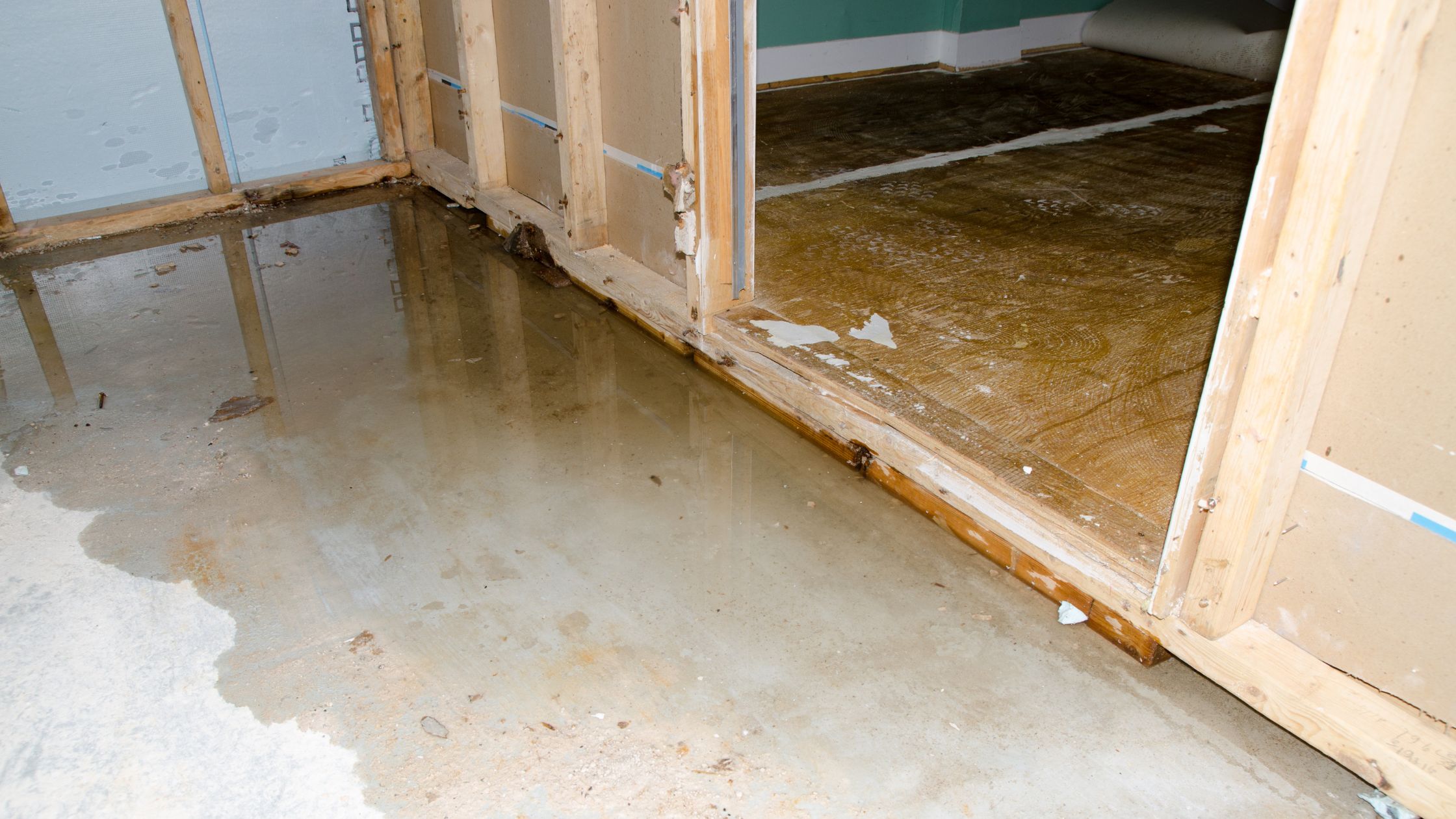
Unintentional loss of water due to a faulty joint, a pierced pipe, or a faulty appliance. It can be visible or hidden and often requires rapid intervention to avoid damage.
Filter
Accessory that retains impurities in a water, gas or refrigerant circuit. It protects sensitive equipment and extends its lifespan. Filters should be cleaned or replaced regularly.
Flexible
Flexible hose made of stainless steel, rubber or braided, used to connect a sanitary device to a fixed pipe. It facilitates the assembly and dismantling of installations.
Floater
Device for controlling the filling in a water tank (flush, tank). It automatically shuts off the water supply when the desired level is reached.
Refrigerant
A substance used in air conditioning and heat pump systems to transfer heat. Its choice and handling are regulated to protect the environment.
Pilot flame
A small flame that stays on permanently on some old water heaters or gas boilers. It ignites the main burner when the appliance starts up.
Flexible gas connection
Specific pipe for connecting a gas appliance (stovetop, boiler) to the supply line. It must be certified and regularly checked.
Ferret
Mechanical or electrical tool used to unclog pipes. It consists of a flexible shaft ending in a spiral head.
Filasse
Hemp fibers used to ensure the tightness of metallic threaded connections. It is often combined with sealing paste.
Septic tank
Waterproof container intended to collect and treat domestic wastewater in homes not connected to the sewer. It works through biological decomposition.
Scabbard
Protective sheath surrounding a pipe to avoid friction, shock or temperature variations. Used when passing pipes through walls or floors.
Flexible evacuation
Flexible hose connected to a washing machine, dishwasher or air conditioner to drain waste water or condensate.
Flocculation
A chemical process used in some water treatment plants to group suspended particles together and facilitate their removal.
Industrial refrigeration
Field of air conditioning applied to large-scale installations (cold rooms, supermarkets, warehouses). It requires powerful and controlled refrigeration systems.
Reverse mode operation
Principle of reversible heat pumps: they can produce cold in summer and heat in winter by inverting the thermodynamic cycle.
Heat transfer fluid
Liquid that carries heat in heating or air conditioning circuits (e.g. glycol water). It ensures the transmission of thermal energy between the various exchangers.
Fumistery
Set of pipes, ducts and accessories used to evacuate smoke from a heating installation. It guarantees the security and performance of the system.
Filtration
Process consisting in removing solid particles present in a fluid using a filtering medium (mesh, cartridge, sand, activated carbon). Used in drinking water or pool networks.
Creep
Slow and progressive deformation of a material under prolonged stress. In plumbing, it mainly concerns plastics used for pipes.
Technical ducts
Rigid or flexible conduits used to protect and group electrical cables, water, gas or air conditioning pipes. They ensure safety, insulation and ease of maintenance.
Galvanization
Process consisting in coating a metal (often steel) with a thin layer of zinc to protect it from corrosion. Widely used in outdoor pipes and industrial water networks.
Mechanical seal
Sealing device placed on pumps or compressors to prevent fluid leaks along the rotating shaft. It advantageously replaces the old cable glands.
Natural gas
Fossil fuel mainly composed of methane, used for heating, cooking and hot water production. It requires installation in accordance with safety standards.
Refrigerant gas
Synonym for refrigerant. It circulates through air conditioning and heat pump systems to transfer heat. Its choice depends on the type of device and environmental regulations.
Heat generator
Device that produces heat for a heating system: boiler, heat pump, stove or water heater. It can run on gas, fuel oil, electricity or renewable energies.
Security group
Mandatory device on electric hot water tanks. It protects the tank against overpressure by allowing some water to flow out during heating. It also serves as a check valve and manual drain.
Condensing unit
External part of a refrigeration or air conditioning system. It contains the compressor, the condenser and the fan, and allows the dissipation of heat extracted from the indoor air.
Gutter
Channel attached to the edge of a roof to collect and direct rainwater towards a descent. It protects facades and foundations from water infiltration.
Lubricator
Small accessory for introducing lubricating grease into a mechanical part (pump, valve, compressor) to limit wear and friction.
Ventilation grill
An opening fixed in a wall, door, or duct to ensure air circulation. Indispensable in rooms containing gas appliances in order to guarantee safety.
Seizure
Blockage of a mechanism (tap, valve, nut) due to corrosion, limestone or lack of lubrication. It often requires the replacement of the part.
Insulated sheath
Duct covered with insulating material to limit thermal losses and avoid condensation. Commonly used for hot or cold air lines in ventilation systems.
Carbon dioxide (CO₂)
Colourless gas produced during combustion and naturally present in the air. In some applications, it is used as a refrigerant (R744) for ecological installations.
Sprinkler
Calibrated burner port allowing fuel to be sprayed in the form of fine droplets. Its correct adjustment influences the efficiency and emissions of a boiler.
Hydraulics
Science and technique of the circulation of fluids (water, oil, etc.) in pipes. In plumbing, it concerns the sizing, pressure, flow rates and balancing of networks.
Hydrowiring
Prefabricated pipe system connecting heating or air conditioning devices. It facilitates implementation and reduces the risk of errors on site.
Hydro ejector
Device using water pressure to suck up another fluid. It is used in some water pumping or treatment systems.
Water repellent
Product applied to a surface (wall, roof, tile) to make it impermeable to water while allowing steam to pass through. Used to protect porous materials.
Hydrometer
An instrument used to measure the density or concentration of a liquid. In heating, it helps to control the mixtures of water and antifreeze in the circuits.
Hydrostatic
Physical principle describing the balance of liquids at rest. It makes it possible to calculate the pressure exerted by water in tanks and pipes.
Water scrubber
Truck or device equipped with a very high pressure water jet intended for cleaning and unblocking pipes. It is the main tool for sanitation companies.
Hygrometer
Device measuring the humidity level in the air. It is used to control indoor environments and to adjust air conditioning systems.
Humidifier
Equipment that adds water vapor to the ambient air to improve comfort, especially in winter or in air-conditioned environments that are too dry.
Hiloire
Sealing piece around an opening or a pipe passage on a roof or wall. It prevents water from entering.
High pressure
Refers to an installation or network operating at a pressure greater than normal. In refrigeration or hydraulic systems, it requires specific components and increased safety.
Heliothermia
Technique using solar energy to heat a heat transfer fluid, often used in solar water heaters or hybrid heating systems.
Hydraulic clash
Synonym for water hammer. Sudden shock in the pipes due to the sudden stopping of the flow of water, which may damage fittings or faucets.
Refrigerant oil
Specific lubricant used in compressors for air conditioning and refrigeration systems. It must be compatible with the refrigerant used.
Hygro-adjustable
Describes a ventilation system whose air flow varies automatically according to the humidity level in the room. It allows better energy regulation.
Hydrosystem
Term for all installations and equipment using water: plumbing, heating, air conditioning, sanitation.
Thermal insulation
A set of techniques aimed at limiting heat loss in buildings and heating installations. Good insulation improves energy efficiency and reduces consumption.
Sound insulation
Protection against the noise of water circulation in pipes, ducts or walls. It is done using anti-vibration sleeves, foams or collars.
Pipe insulation
Application of insulating materials around hot or cold water pipes in order to avoid thermal losses, condensation and freezing.
Injector
A small part used in gas burners or boilers to spray fuel. The diameter of the injector influences the power and efficiency of the device.
Diverter
Component for changing the direction of flow of a fluid in a circuit. In a heat pump, it is used to switch from heating mode to air conditioning mode.
Pressure switch
A safety device that cuts off the electrical supply to an appliance when the pressure reaches an abnormal level. Used in hydraulic, refrigeration or pneumatic circuits.
Sanitary installation
All networks and equipment intended for the distribution of drinking water and the evacuation of wastewater in a building.
Thermal installer
Professional specialized in the installation, maintenance and repair of heating, air conditioning and ventilation systems.
Level indicator
Device for visualizing the height of liquid in a tank or tank. It can be mechanical, electronic, or float.
Refrigeration insulation
Process aimed at limiting heat exchanges in refrigeration and air conditioning systems. It prevents condensation and maintains the energy performance of the circuit.
Video inspection
Technique used to examine the inside of pipes using a camera. It makes it possible to locate obstructions, cracks or leaks without dismantling.
Air injector
Part installed in some water treatment or heating systems to promote the air/water mixture and improve combustion or aeration.
Intercalary
Element inserted between two components to improve tightness or absorb thermal expansion.
Insulator
Material that prevents heat, noise, or electricity from being transmitted In plumbing, thermal insulators (foam, mineral wool) are used around pipes.
Hydraulic isolation
Principle consisting in hydraulically separating two water circuits to avoid flow or pressure interference, often achieved by a decoupling bottle.
Ionization
A process used in some gas boilers to detect the presence of a flame. The ionization electrode ensures the safe operation of the device.
Irrigation
Water distribution through a network of pipes and solenoid valves for the automatic irrigation of gardens or green spaces.
Disinfection injector
Device used in water networks to introduce treatment products (chlorine, corrosion inhibitors, etc.) in a controlled manner.
Sound insulation
Reduction of noise pollution in plumbing or heating installations thanks to acoustic ducts or damped fasteners.
Joint
Sealing element placed between two rooms to prevent water or gas leaks. It can be made of rubber, fiber, PTFE or metal, depending on the nature of the fluid and the temperature.
O-ring
Rubber or silicone O-ring used to ensure tightness in hydraulic or refrigeration connections.
Flat joint
A flat sealing piece, usually made of fiber or rubber, used in screw connections, valves, or flanges.
Gauge
An instrument used to measure the quantity or pressure of a fluid. In boilers, the pressure gauge makes it possible to check the pressure in the water circuit.
Junction
Point where two pipe or cable elements are connected together. It must be waterproof, resistant and accessible for maintenance.
Bleach (water)
Disinfecting solution used to clean or descale certain sanitary facilities. It should be handled with care to avoid corrosion.
Set of keys
Set of tools used by plumbers to assemble or disassemble fittings: flat, adjustable, pipe, or ratchet wrenches.
Jerrican
Portable container used to store or transport liquids (water, fuel oil, cleaning products). It can be plastic or metal.
Level gauge
Tool for knowing the height of water or fluid in a tank, tank or heating tank.
Crimped junction
A solderless assembly method, using specific tools to deform a metal ring and guarantee tightness. Common in multi-layer and PER installations.
Expansion joints
Elements placed in plumbing networks to absorb length variations due to temperature changes and avoid breakages.
Filasse joints
A combination of hemp yarn and sealant used to seal metallic threaded connections. It is a traditional method that is still widely used.
Flared junction
Connection in which the end of the pipe is widened using a flare to receive a nut and a complementary part. Current in air conditioning and refrigeration.
Pressure gauge
Pressure gauge showing the pressure of water or fluid in a heating system, boiler or supply network.
Flange joint
Circular sealing piece placed between two bolted flanges. Used in large diameter pipes to ensure the strength and security of the network.
Fiber joint
Flat vulcanized fiber joint, resistant to heat and pressure. Very common in metal fittings in plumbing and heating.
PTFE (Teflon) seal
Polytetrafluoroethylene sealing tape wrapped around the threads to ensure a perfect seal. It sometimes replaces yarn.
Silicone seal
A flexible product used to seal junctions between walls, sinks, sinks, showers and bathtubs. It prevents water ingress and mold.
Kilocalorie
Unit of measurement of heat. A kilocalorie is the amount of heat needed to raise the temperature of one kilogram of water by one degree Celsius. Used to express the calorific power of a heating appliance.
Klixon
Thermal safety device used in electrical devices such as water heaters or compressors. It automatically cuts off the power in case of overheating.
Connection kit
Set of parts for connecting an appliance (sink, sink, washing machine, water heater) to the supply and evacuation network. It usually includes the required hoses, gaskets, and siphons.
Kilowatt (kW)
Power measurement unit. In plumbery-heating, it indicates the production capacity of a boiler, heat pump or water heater.
Kilowatt hour (kWh)
Unit of measurement of energy consumption. It represents the quantity of energy used by a device with a power of 1 kW for one hour.
Brass
Copper and zinc alloy widely used in plumbing for fittings, valves and faucets. It is solid, anti-corrosive and easy to machine.
Hand wash
Small sink for washing hands, usually installed in the toilet. It requires a cold and hot water connection as well as a drain.
Washbasin
Sanitary equipment fixed to the wall or placed on a piece of furniture, used for daily cleaning. It includes a faucet, drain, siphon and drain system.
Dishwasher
Household appliance connected to water and electricity, used for automatic dishwashing. It must be connected to a cold water supply and to a drain pipe.
Washing machine
Apparatus intended for washing clothes. Like the dishwasher, it is connected to a water supply and a drain hose. It should be installed on a stable ground and close to a siphon.
Equipotential bond
Electrical connection between the metallic masses of the installations (pipes, radiators, boilers) in order to avoid differences in potential and to guarantee safety against electric shocks.
Pressure relief valve
Device installed on a water pipe to reduce excessive pressure at the inlet. It protects sanitary installations and prevents leaks due to overpressure.
Temperature Limiter
Accessory that prevents hot water from exceeding a certain temperature at the outlet of the tap. It prevents the risk of burns and improves the comfort of use.
Gas line
Rigid or flexible pipe transporting gas from the meter to the consuming devices (boiler, plate, water heater). It must comply with current safety standards.
Hydraulic linearity
Property of a heating or water distribution circuit allowing a homogeneous distribution of flows and pressures throughout the network.
Hair straightener
Tool used to smooth silicone joints or glues when finishing sanitary work, guaranteeing a clean and aesthetic seal.
Installation bed
A layer of material (sand, mortar, or concrete) on which a buried pipe is based. It stabilizes the pipe and protects against mechanical stress.
Litre
Unit of volume used to measure the quantity of water or fluid circulating in an installation. One liter corresponds to one cubic decimeter.
Support rail
Metal profile used to maintain or align pipes along a wall or technical wall.
Louchet
A narrow-bladed tool used to dig trenches to lay pipes or ducts.
Sanitary lubricant
Product used to facilitate the assembly of joints, fittings or pipes without damaging them. It prevents friction and ensures better tightness.
Thermal luminance
Quantity of heat emitted by radiation from a heating surface, such as a radiator or heated floor. It influences the thermal comfort of a room.
Lyre
Flexible arc-shaped pipe used in gas installations to compensate for movements or vibrations between two devices. It allows a secure and watertight connection.
Water blade
Aesthetic and functional effect obtained by a regular flow of water, often used in fountains or decorative installations connected to a hydraulic network.
Laitance
A whitish residue formed on the surface of concrete or mortar, sometimes visible around sanitary installations after work. It can be cleaned with clear water or light acid.
Refrigeration line
Line connecting the indoor and outdoor units of an air conditioning system. It transports refrigerant under high and low pressure.
Flow restrictor
Accessory placed in faucets or showers to reduce water flow while maintaining good comfort of use. It helps to save water.
Basin washer
Sanitary device used in health facilities to clean sanitary basins. It is connected to a hot water and disinfectable drain network.
Control magnifying glass
An instrument used by technicians to examine welds, joints, or surfaces to verify compliance.
Air blade
Empty space between two walls or materials allowing natural ventilation or insulation. It is often found in technical ducts or walls.
Pressure gauge
Device for measuring the pressure of a fluid (water, gas, refrigerant) in a closed circuit. It is often integrated into boilers, heat pumps, or compressors to control the correct operating pressure.
Manchon
Cylindrical piece for connecting two pipes of the same diameter. The sleeves can be threaded, crimped, glued or rubber depending on the material of the pipes.
Differential pressure gauge
An instrument that measures the pressure difference between two points in a circuit. Used in particular in ventilation or heating systems to check pressure losses.
Purge crank
A tool used to open or close radiator vents in order to remove air trapped in the heating circuit.
Manifold
Manifold equipped with valves and pressure gauges used in refrigeration and air conditioning to control the pressure and charge the refrigerant into the system.
Preventive maintenance
All regular maintenance operations designed to avoid breakdowns or malfunctions. In plumbing and heating, it includes cleaning, tightness testing and control of settings.
Sanitary sealant
A soft sealant used to seal joints around sinks, bathtubs, sinks, or showers. It prevents water infiltration and mold.
Linear meter
Unit of measurement corresponding to one meter of length of pipe, duct or duct. Used to estimate the quantities required for plumbing work.
Membrane
Flexible part used in valves, valves or safety groups to regulate the passage of a pressurized fluid. It is deformed according to the pressure exerted.
Mixing valve
Tap to mix hot and cold water to obtain a constant temperature. More practical than a traditional mixer tap, it ensures comfort and water savings.
Thermostatic mixer
A type of mixer equipped with a special cartridge that automatically regulates the water temperature, even if there is a change in pressure. Used in showers and communal installations.
Monoblock
Compact system where all the elements (compressor, condenser, fan) are grouped together in the same set. Common in air conditioners or heat pumps for small spaces.
Multilayer
Type of pipe composed of several layers (PE-X, aluminum, PE-HD) combining the flexibility of plastic and the strength of metal. Very common in modern water and heating installations.
Grounding
Electrical connection connecting the metal elements of an installation (pipes, boilers) to the ground to prevent the risk of electrocute.
Hydraulic module
Component of a heat pump or heating system integrating circulators, valves, expansion tanks and exchangers. It facilitates the management of the water circuit.
Monotube
A type of heating circuit where hot water circulates in a single loop that passes through each radiator in succession. Simple but less efficient than a two-way network.
Crimp mount
Fast and watertight assembly method using crimping pliers to mechanically deform fittings on multi-layer or PER pipes.
Insulating foam
Expanded material applied around pipes to reduce heat loss, prevent condensation, and prevent freezing.
Expansive foam
Filler used to caulk and insulate pipe passages in walls or floors. It ensures air and water tightness.
Phonic foam
Material that absorbs the vibrations and noises of water circulation in pipes. It contributes to the acoustic comfort of the home.
Fan motor
Electrical component that drives fan blades in air conditioning, heating or VMC units.
Condensate neutralizer
Device installed on condensing boilers to neutralize the acidity of condensates before they are released into the pipes. It protects the drain lines and the environment.
Nipple
Small male-male connection in brass or steel to connect two female threaded elements. Frequently used to extend an existing assembly.
Bubble level
Measuring tool for verifying the horizontality or verticality of a pipe, device or duct.
Copper core
Internal part of an electrical cable or heating conductor ensuring the transmission of current or heat.
Technical niche
Space arranged in a wall or partition to accommodate technical installations: meter, shut-off valve, manifold or water heater.
Nurse
Collector distributing hot or cold water to various circuits in a home (bathroom, kitchen, WC). It facilitates maintenance and hydraulic balancing.
Chemical cleaning
Process consisting in injecting a descaling or de-fouling product into the heating circuits to remove limescale, sludge and impurities.
Groundwater
Underground fresh water reservoir. In some geothermal systems, it can be used as an energy source for heating.
High pressure cleaning
Method used to unclog and maintain pipes using a very high pressure water jet. Made using a water scrubber.
Sound pressure level
A measure of the noise produced by a heating or air conditioning unit, expressed in decibels (dB). Important indicator for the sound comfort of a home.
Nitrification
Chemical reaction that can occur in stagnant hot water circuits, promoting the formation of nitrates. Good circulation and regular maintenance avoid this phenomenon.
Insulation tablecloth
Insulating sheet or strip placed under heated floors or around pipes to limit thermal losses.
Neutralization
Action of correcting the pH of acid condensates from condensing boilers or refrigeration systems before being discharged into the sewer.
No return
Synonym of check valve, device that prevents the backflow of fluid in water, gas or heating circuits.
Sound level
Intensity of noise emitted by an installation. In air conditioning, a good device does not exceed 40 dB to guarantee interior comfort.
Heating tablecloth
Network of cables or pipes integrated under a floor or wall to distribute soft and homogeneous heat. Used in water or electric heated floors.
Sealing tablecloth
Waterproof membrane placed under slabs, terraces or shower rooms to prevent water from entering the building structure.
Orifice
An opening or hole in a room or pipe to allow the passage of a fluid, a screw or a connection. In plumbing, it can be a water outlet, a fixing hole, or a pipe passage.
Shutter
Device used to hermetically seal a pipe, a connection or an opening. Used during interventions to insulate a circuit or perform tightness tests.
Flaring tool
Instrument used to enlarge the end of a tube (copper, aluminum) in order to allow a connection by socket or nut. Very common in air conditioning and refrigeration.
Oxidation
Chemical reaction causing metals to corrode in contact with air or water. In plumbing, it can damage pipes and fittings if they are not protected.
Crimping tool
Mechanical or electrical pliers used to deform a multilayer or PER connection in order to guarantee a watertight and durable connection.
O-ring
English term for the O-ring, used to ensure tightness in hydraulic and refrigeration connections.
Purge opening
Orifice allowing the evacuation of air or fluid from a heating or water circuit. Often equipped with a drain screw or a specific faucet.
Sewer odor
Common problem caused by an empty siphon, poor ventilation, or a clogged drain. A check of the siphons and the vent column is required.
Multifunction tool
Portable device combining several functions (pipe cutter, wrench, wrench, screwdriver, file, etc.), very useful for quick interventions by plumbers.
Refrigeration operator
Technician qualified in the handling of refrigerants, the maintenance and repair of air conditioning and refrigeration systems.
Reverse osmosis
A process for purifying water consisting in passing it through a semipermeable membrane. Used in domestic or industrial filtration systems.
Sanitary tools
Set of tools used to install, maintain or repair sanitary equipment: keys, pipe cutters, suction cups, ferrets, multi-grip pliers, etc.
Refrigeration equipment
Specific equipment for handling refrigerant gases: manifold, vacuum pump, leak detector, load balance, etc.
Insulating wadding
Light and fibrous material used to insulate technical pipes and tubes thermally or acoustically.
Ventilation opening
Grille or duct ensuring the ventilation of technical rooms containing gas appliances, guaranteeing safe combustion.
Heat pump
Thermodynamic system capable of transferring heat from one medium to another. In winter, it captures outside heat to heat a home; in summer, it reverses the cycle to cool.
Lift pump
Device used to evacuate wastewater or storm water located below the sewer network. Indispensable in basements, cellars or technical rooms.
Circulation pump
Equipment that ensures the movement of water in heating circuits, air conditioning or heated floors. It guarantees an even distribution of heat.
Drain pump
Device for emptying tanks, tanks or household appliances (washing machine, dishwasher) of their residual water.
Vacuum pump
Device used in air conditioning to remove air and moisture from circuits prior to commissioning. An essential step in ensuring the effectiveness of the system.
Evacuation slope
Inclination of wastewater pipes allowing natural flow by gravity. An insufficient slope causes traffic jams or backflows.
Heating comb
Comb-shaped collector used in floor heating circuits to distribute hot water in several loops.
Impact drill
Electric tool for drilling concrete or brick walls for the passage of pipes or sanitary fittings.
PER (cross-linked polyethylene)
Synthetic pipe material widely used in plumbing and heating. Flexible, lightweight and easy to install, it is resistant to pressure and heat.
PEX
Synonym of PER, commonly used in Anglo-Saxon countries. It offers the same benefits in terms of sustainability and flexibility.
Anticorrosion paint
Product applied to pipes or metal elements to protect them against rust and extend their lifespan.
Quilting
Lateral connection on a main pipe to connect a branch or device. It can be made by soldering, collar or mechanical connection.
Heated floor
Heating system integrated into the floor, using a network of pipes where hot water circulates. It diffuses homogeneous and comfortable heat.
Plumbing
A discipline encompassing all techniques for supplying water, removing wastewater and connecting sanitary devices. It also includes heating, air conditioning and gas.
Sanitary plumbing
Part of the plumbing devoted to drinking water and sanitary appliances (sink, shower, toilet, bath, sink...).
Heating plumbing
Branch specialized in the distribution of hot water for radiators, heated floors or heat pumps.
Water pressure
Force exerted by water on the walls of pipes, expressed in bars. Too high pressure can damage installations, while too low pressure reduces comfort.
Pressure switch
Pressure sensor used in boilers, compressors and refrigeration systems to regulate or shut off the circuit in case of abnormal pressure.
Crimping pliers
Professional tool used to quickly assemble multi-layer or PER fittings without soldering, ensuring a perfect seal.
Silicone gun
Tool for precisely applying sealant or silicone to make watertight joints around sanitary installations.
Pool furnisher-heating
Qualified professional in the installation, repair and maintenance of plumbing, heating and air conditioning systems.
Polyethylene
Flexible or rigid plastic used for cold water pipes, electrical ducts or irrigation networks. Light and corrosion resistant.
Polypropylene (PPR)
Thermoplastic material used for hot and cold water pipes. It is hot-welded and has excellent resistance to high pressures.
Dosing pump
Device that automatically injects a precise quantity of chemical product into a circuit (disinfectant, corrosion inhibitor, descaler, etc.).
Submersible pump
Pump immersed in water, used for lifting, draining or wells. It works quietly and with high efficiency.
Automatic drain
Device installed in heating circuits to automatically remove accumulated air, avoiding noise and hydraulic imbalances.
Manual drain
Small tap placed on radiators or high points of the circuit, allowing the air blocked in the installations to be manually evacuated.
Purge
Operation consisting in eliminating the air present in the water circuits in order to restore circulation and optimize energy efficiency.
Differential pressure
Pressure difference between two points in a circuit. It allows you to control the flow and adjust the settings of the control valves.
Dew point
Temperature at which water vapor in the air condenses. In air conditioning, it is used to avoid the formation of condensation on cold surfaces.
Air to water heat pump
System using calories from outside air to heat water in a central heating circuit. Very economical and ecological.
Air to air heat pump
System that captures heat from outside air to blow hot air inside. In reverse mode, it produces fresh air.
Water quality
All the physical, chemical and biological characteristics of water. Good water quality extends the life of sanitary installations and limits scale and corrosion.
Sanitary hardware
All the small metal parts used for the installation of sanitary equipment: screws, nuts, washers, flanges, wall fixings, etc.
Thermostatic quartz
Element integrated into some mixers or temperature controllers to ensure a quick and stable response to the adjustment of hot water.
Evacuation keel
Curvature or bent piece of a pipe making it possible to modify the direction of evacuation while ensuring the continuity of the flow.
Quarter turn
Quick opening or closing system used on faucets, valves and drains. A simple 90° rotation is enough to interrupt or restore the flow.
Radiator
Heating equipment that uses hot water or steam to diffuse heat into a room. It can be made of cast iron, steel, or aluminum, and work with a boiler or heat pump.
Inertia radiator
Type of electric heater that stores heat in a solid core (cast iron, stone, ceramic) to release it gradually, ensuring stable and economical comfort.
Hot water radiator
Device powered by a water circuit heated by a boiler or a heat pump. It releases heat through convection and radiation.
Raccord
An element used to connect two parts of a pipe. The fittings can be threaded, crimped, glued, or soldered depending on the material of the pipe.
Compression connector
Type of mechanical connection ensuring tightness thanks to a ring or seal that is crushed during tightening. Widely used for copper or multilayer pipes.
Union connector
A removable part that connects two pipe parts while allowing easy dismantling without cutting the pipes.
Connection
Action of connecting a sanitary device, radiator or air conditioning equipment to the supply and exhaust network.
PER connector
Specific connector used for cross-linked polyethylene (PER) pipes. It can be compression, sliding or crimped.
Cast iron radiator
Traditional radiator, robust and durable, offering soft and homogeneous heat. It retains heat for a long time even after the heating is stopped.
Gas ramp
Set of pipes and valves distributing gas to several devices. Used in boiler rooms or professional kitchens.
Heat recovery unit
Device that captures heat from smoke, air or water to reuse it in another circuit, thus improving energy efficiency.
Pressure reducer
Maintains water pressure at a constant level despite variations in the public network. It protects installations and saves water.
Refoulement
Extraction of a fluid under pressure by a pump. The discharge pipe carries water to the discharge point or to the main network.
Hydraulic adjustment
Procedure consisting in balancing the water flows in the heating circuits to ensure an even distribution of heat in the home.
Temperature controller
Electronic device that controls the temperature of water or air in a heating or air conditioning system.
Raise
Part added to a pipe, siphon or manhole to adapt the height of a connection to the finished floor.
Evacuation network
Set of pipes transporting wastewater or storm water to sewers or ditches. It includes columns, elbows, siphons and manholes.
Feeding network
Pipes that transport drinking water from the meter to the sanitary and heating appliances in the home.
Water tank
Container used to store water for domestic or technical use (cistern, tank, tank). Some are pressurized, others open to the open air.
Electrical resistance
Component that transforms electrical energy into heat. Present in water heaters, towel warmers and electric heaters.
Armored resistance
Type of resistance protected by a metal tube, used in water heaters to extend their life and avoid direct contact with water.
Steatite resistance
Resistance protected in a sheath, without direct contact with water. It reduces scale and makes it easier to maintain water heaters.
Return of water
Pipeline bringing the cooled water back to the boiler or heat pump to be heated and reinjected into the circuit.
Robinet
Control device for opening, closing, or regulating the flow of water. The main types are globe, ball, ball, and quarter-turn valves.
Shut-off valve
Valve installed on a pipe to interrupt the water supply to an installation or device, facilitating maintenance.
Thermostatic faucet
Device mounted on a radiator to automatically adjust the flow of hot water according to the desired ambient temperature.
Float valve
Mechanism for controlling the water supply in flushes or tanks, automatically closing when the water level is reached.
Drain valve
Small valve for emptying a water circuit (heating, tank, pipe) during maintenance or wintering.
Mixer faucet
Faucet with two separate handles, one for hot water and the other for cold water. It allows manual mixing of the two flows.
Ball valve
Type of valve that closes quickly by rotating a pierced ball. Very reliable and resistant, it is used for water, gas or industrial fluids.
Balancing valve
Control element for adjusting the flow in a collective heating network, ensuring a uniform distribution of heat.
Sanitary faucets
Set of faucets, mixers and accessories ensuring the distribution of water in the bathroom, kitchen and WC.
Siphon rinse
Accessory installed on some devices to automatically clean the siphon and avoid bad odors.
Sealing resin
A liquid or pasty product applied to metal threads or fittings to ensure a lasting seal, often used as an alternative to filasse.
Return of air
Opening in the air conditioning systems allowing the recirculation of indoor air to the treatment unit. It ensures a balanced functioning.
Water retention
Capacity of a material or soil to retain water. In plumbing, we speak of retention when a device or network prevents a good flow.
Tube rinser
Tool for cleaning the inside of pipes before connection or soldering, to avoid impurities and guarantee a perfect seal.
Siphon
Elbow-shaped device installed under sinks, sinks or showers to prevent bad odors from rising up the pipes. It retains a small amount of water that acts as an anti-odor barrier.
Soldering
A process of permanent assembly between two metal parts by melting metal or adding a filler metal. In plumbing, soldering with tin, copper or silver is used, depending on the type of pipe.
Cold soldering
Chemical bonding method using a specific paste without heat input, often used for rapid repairs on PVC or copper.
Safety valve
Essential device for water heaters and boilers to evacuate excess pressure to avoid any risk of explosion or leak.
Booster
Pump equipped with a pressure tank used to increase water pressure in domestic or collective installations.
Backflow protection
System preventing the return of polluted water to the drinking water network. Mandatory in some facilities to protect sanitary quality.
Sludge separator
Device installed on the heating circuit to filter impurities, sludge and metal particles. It extends the life of boilers and heat pumps.
Air conditioning system
Installation to regulate the temperature, humidity and air quality in a space. It can be monosplit, multisplit, ducted or reversible.
Central heating system
Network composed of a boiler, radiators or a heated floor distributing heat throughout the home.
Towel dryer
Radiator designed to heat the bathroom and dry towels. It can be electric, hot water or mixed.
Dump valve
Automatic valve that opens to remove excess pressure in a hydraulic or refrigeration circuit.
silent
Accessory installed in air ducts or pipes to reduce fluid circulation noise. Used in air conditioning and ventilation.
Condensation dryer
Device that recovers water vapor from laundry, condenses it and removes condensate into a tank or pipe.
Floor drain
Evacuation placed in the floor of Italian showers, laundry rooms or technical rooms. It collects wash water and prevents odors from rising.
Ventilation system
Set of equipment (vents, ducts, extractors) ensuring the renewal of indoor air and the evacuation of humidity.
Water treatment system
Installation designed to improve water quality (filtration, softening, reverse osmosis, denitrification, etc.) to extend the life of the devices.
Differential valve
Safety element installed in heating circuits to maintain constant pressure when thermostatic valves are closed.
Gas safety
Set of devices and best practices designed to prevent leaks, explosions and poisonings related to the use of gas in homes.
Clamp
Tool for maintaining two elements in position during gluing, soldering or drilling.
Lift station
Installation composed of a tank and a pump to evacuate wastewater to a sewer network located at a higher level.
Mounting bracket
Element used to hold pipes, sanitary appliances or radiators on walls or ceilings.
Thermostat
Temperature control device that controls the operation of a heating or air conditioning system according to the set setpoint.
Room thermostat
Thermostat placed in a main room to automatically adjust the temperature of the home according to real needs.
Programmable thermostat
Equipment for defining heating time slots to optimize comfort and energy savings.
Thermocouple
Sensor that measures temperature using two different metals. It is used in boilers and water heaters to detect the flame and ensure safety.
Immersion heater
Submerged electrical resistance used to heat water in a tank, tank or tank.
Connected thermostat
Intelligent version of the thermostat, controllable remotely via smartphone or Wi-Fi, allowing precise and economical heating control.
Piping
Set of pipes transporting fluids (water, gas, air, refrigerant) in an installation. It can be made of copper, PVC, PER, multilayer or steel.
PVC pipe
Polyvinyl chloride tube used for water drains. Light, economical and easy to install, it is the standard in domestic installations.
Multilayer pipe
Pipeline composed of several layers of plastic and aluminum offering resistance, flexibility and longevity. Suitable for hot water and heating
Electrical voltage
The strength of the electric current powering the heaters, pumps and compressors. It is measured in volts (V).
Set temperature
Temperature value programmed on a thermostat or controller, corresponding to the desired comfort.
Thermostatic head
Accessory mounted on radiator valves to automatically adjust the flow of hot water according to the ambient temperature.
Copper pipe
Traditional plumbing material, resistant, durable and recyclable. Used for hot water, heating and gas circuits.
Flexible hose
Flexible pipe facilitating the connection between sanitary devices and fixed networks. It allows a quick and adaptable installation.
Draw
Suction of burnt gases or air into a boiler or duct. Good draft ensures complete and safe combustion.
Safety thermostat
Device that automatically cuts off the power supply to a water heater or boiler in the event of overheating.
Leak-tightness test
Operation consisting in checking the absence of leaks in a water, gas or refrigerant installation before commissioning.
Sealing braid
Cord or fiber used to reinforce joints in threaded or mechanical connections, often made of PTFE or fibreglass.
Anticorrosion treatment
Application of a product or process to protect pipes and radiators against rust and chemical degradation.
Drain pipe
Duct used to evacuate wastewater from sanitary appliances, household appliances or air conditioning systems.
Visit hatch
An opening in a wall or ceiling to access pipes, valves or siphons for maintenance purposes.
Room temperature
Temperature of the air in a room, measured for thermal comfort or heating regulation.
Thermodynamics
Physical principle underlying the operation of heat pumps and air conditioners: heat transfer from one medium to another.
Galvanized pipe
Steel tube covered with a layer of zinc to protect it against corrosion. Used for industrial water or outdoor networks.
Differential thermostat
Controller comparing the temperature between two points (e.g. solar collector and hot water tank) to optimize energy transfer.
Service voltage
Nominal electrical voltage of an appliance or installation. It must be respected to avoid any failure or overvoltage.
Garden hose
Flexible used for the distribution of water outside. It can be equipped with a gun, a hose reel and quick connectors.
Indoor unit
Part of an air conditioning system installed inside the home. It diffuses hot or cold air depending on the configuration (wall, console, duct, cassette).
Outdoor unit
Part located outside the building containing the compressor, condenser, and fan. It rejects heat in cold mode and captures calories in heating mode.
Air Handling Unit
Device that filters, heats, cools and renews the air in centralized ventilation or tertiary air conditioning systems.
U-bend
English term for a “U” shaped section in a pipe, serving both as a support and as a hydraulic barrier against rising air.
Ultraviolet (UV)
Technology used in some water treatment systems to destroy bacteria and microorganisms without the addition of chemicals.
Urinal
Vertical sanitary used for the evacuation of urine, connected to a water supply for rinsing and to a specific evacuation.
Domestic use
All the daily needs for water, heating and air conditioning in a home: toilet, washing, cooking and thermal comfort.
Sanitary utensils
Accessories used in plumbing interventions: suction cup, ferret, wrench, wrench, Teflon, power strip, pipe cutter, etc.
Vanne
Mechanical device for controlling, interrupting or regulating the passage of a fluid in a pipe.
Shut-off valve
Allows you to cut off the water or gas supply to an appliance or a section of the network to intervene without draining the entire unit.
Purge valve
Element installed on a closed circuit (heating, air conditioning) to allow the evacuation of air or fluid during maintenance.
Balancing valve
Allows you to adjust the flow rates in a hydraulic network to guarantee a homogeneous distribution of heat in collective installations.
Three way valve
A control component that allows a fluid to be mixed or diverted in two distinct circuits. Used in modern heated floors and boilers.
Expansion tank
Waterproof tank containing a membrane separating water from heating and a compressible gas. It compensates for volume variations due to the thermal expansion of the fluid.
Ventilation
System ensuring the renewal of indoor air and the evacuation of humidity. It can be natural or mechanical (single or double flow VMC).
Controlled mechanical ventilation (VMC)
Motorized device ensuring permanent air circulation to avoid condensation and mold. The double flow version recovers heat from the extracted air.
Fan
Motorized component that sets air in motion in air conditioning, ventilation or heating systems. It can be axial or centrifugal.
Suction cup
Device for the evacuation of smoke and the intake of air in vacuum boilers. It allows safe combustion without air intake in the room.
Draining
Operation consisting in evacuating the contents of a tank, hot water tank or pipe before maintenance or wintering.
Crawl space
Space between the ground and the low floor of a building, used for the passage of networks and to protect the structure against humidity.
Buffer volume
Tank placed in a heating circuit to store hot water and avoid frequent starts of heat pumps or boilers.
Valve
Generic term for a valve or flap. In air conditioning, it makes it possible to regulate the pressure of the refrigerant in the circuit.
Venturi
Hydraulic principle exploiting the pressure variation created by a constriction of the pipe to suck up or mix a secondary fluid. Used in some injectors or softeners.
Watt
Unit of power used to measure the energy capacity of a device. 1 kilowatt (kW) = 1,000 watts.
Wattmeter
Measuring instrument used to determine the electrical power consumed by a heating or air conditioning device.
Watercooling
Liquid cooling system inspired by air conditioning, used in electronics or industrial equipment.
Suspended toilet
Wall-mounted toilet with built-in tank, leaving the floor clear for easy maintenance and aesthetic appeal.
Heating zone
Delimited space in a building with the same temperature control, useful in zoned heating installations.
Zinc
Corrosion resistant metal, often used for gutters, roofs, and some outdoor plumbing fittings.
Zinguerie
Specialization in roofing related to the installation, maintenance and repair of zinc elements used for the sealing and evacuation of rainwater.
Climate zone
Geographical classification influencing the choice of heating and air conditioning equipment according to regional average temperatures.
Zero leaks
Installation objective guaranteeing perfect tightness of connections, welds and joints in a new or renovated installation.
Depression zone
Space where the pressure is lower than that of the environment, promoting the flow of air or gases. Principle used in ventilation and extraction systems.
Comfort zone
Temperature and humidity range ensuring the thermal well-being of occupants. In general, between 20°C and 22°C for heating, and 23°C to 25°C for air conditioning.
Need a plumber in Paris?
Leaks, blocked drains, water heaters or taps: Réseau Tubulure works in Paris and the inner suburbs (92, 93, 94), 7 days a week, 24 hours a day. Call +33 1 89 70 15 36 (01 89 70 15 36 from a French phone) or use our contact page. Many of our plumbers speak English. See our everyday plumbing service in Paris.