

On-Call Plumber in Paris: How Emergency Interventions Work
A leak flooding the kitchen on a Sunday, a boiler breaking down on New Year's Eve, a blocked toilet on a public holiday: plumbing emergencies don't choose their timing. Knowing how an on-call plumber works in Paris allows you to react quickly and calmly when a problem arises outside regular hours. In this guide, we explain what an on-call plumber really is, how an emergency intervention unfolds, and how to avoid pitfalls when you're at your most vulnerable.
Understanding this process in advance changes everything. The day you face an emergency, you know what to expect, which questions to ask, and how to recognize a reliable professional. It is precisely in these stressful moments that a little preparation makes all the difference between a controlled incident and a bad experience.
What Is an On-Call Plumber
An on-call plumber is a professional available outside regular hours—evenings, nights, weekends, and public holidays—to handle emergencies that cannot wait. Unlike a scheduled intervention planned several days in advance, on-call service addresses situations where every hour counts and postponement is not an option.
Not every situation qualifies for on-call service. A slightly dripping tap or a minor defect can wait until regular hours, often at a more affordable rate. However, a major leak, a complete loss of heating in the middle of winter, or ongoing water damage fully justify an immediate intervention. Knowing the difference saves you unnecessary costs while protecting you when it truly matters.
Which Emergencies Justify an On-Call Plumber
Here are the situations that call for a rapid intervention, without waiting until the next day:
A major water leak that you cannot stop, even after shutting off the main supply.
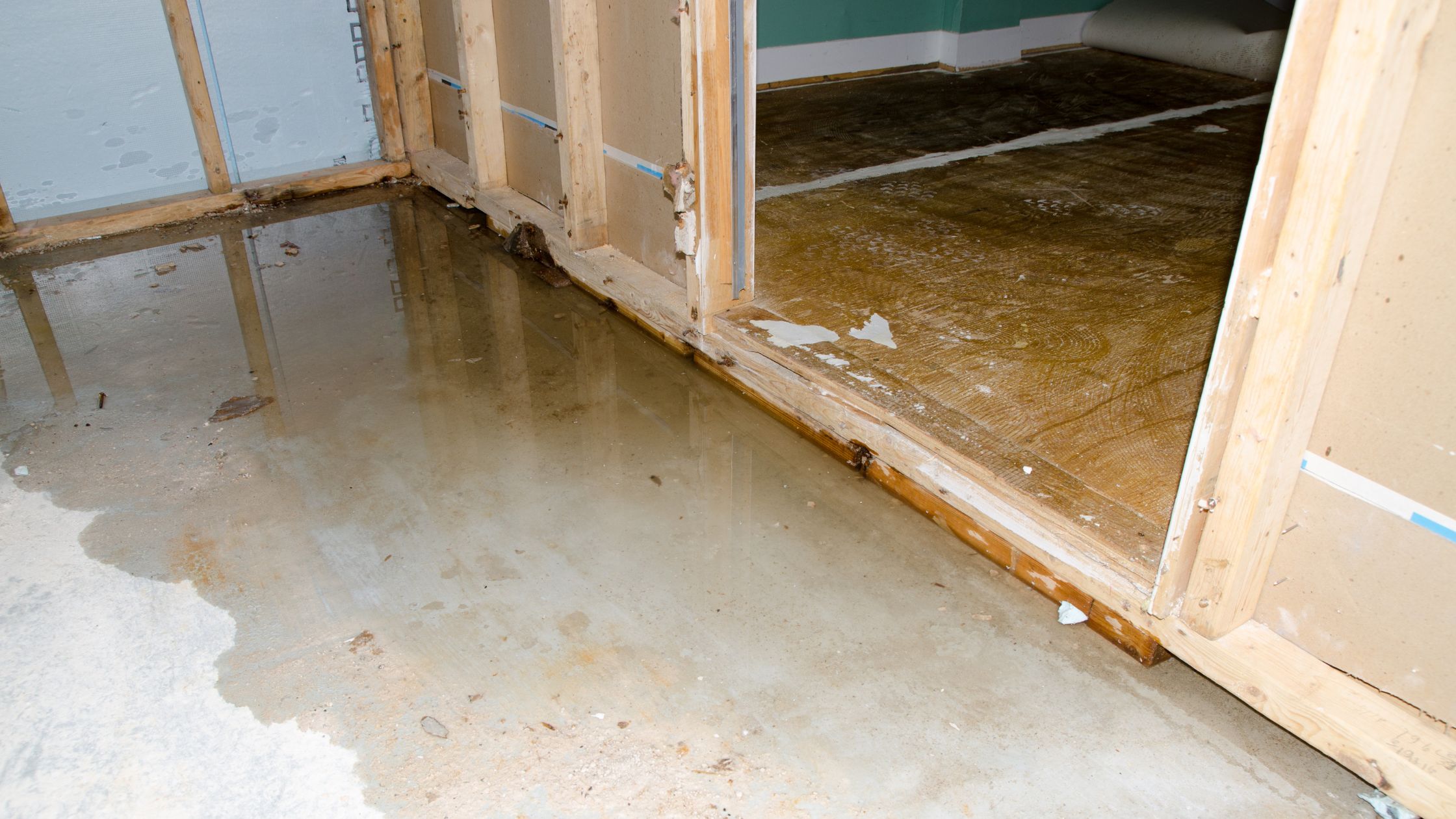
Ongoing water damage threatening your home or a neighbor's apartment.
A complete loss of heating or hot water during a cold snap.
A blocked drain making all sanitary facilities unusable.
A suspected gas leak, which first requires emergency services then a professional.
When facing a leak, the first reflex is to shut off the main water supply to limit damage while waiting for help. Our article on when to call an emergency plumber helps you assess the severity of the situation and decide whether to call right away.
How an Emergency Intervention Unfolds
An on-call intervention generally follows the same steps, regardless of the time.
The First Phone Call
Everything starts with a call. Describe your problem precisely: the nature of the issue, how long it has been going on, and what you have already done. A serious professional asks questions, gives you an initial assessment, and often advises immediate steps to limit damage while waiting for their arrival. This attentiveness is already a good indicator of the responder's reliability.
The Estimate Before Intervention
Before traveling or intervening, the plumber should be able to give you a clear estimate. This is an essential point: you need to know what to expect. Be wary of any professional who refuses to provide even a rough price range over the phone. To understand how a quote is built, see our article on the cost of a plumbing intervention.
The On-Site Diagnosis
Once on site, the professional pinpoints the exact source of the problem. This step is crucial, because a visible leak sometimes conceals a cause located elsewhere. A proper diagnosis prevents repairing the wrong spot and having to call someone back a few days later for the same issue.
The Repair or Temporary Fix
Depending on the case, the plumber carries out the permanent repair on site, or performs a temporary fix if the full repair requires specific parts or more time. The priority in an emergency is to stop the damage. The definitive repair can sometimes be scheduled shortly after, under calmer conditions.
How Long Does an Emergency Intervention Take
The question of timing always comes up in an emergency, and rightly so. The intervention time depends on several factors: the distance between the professional and your home, the time of day, traffic, and current workload. This is where proximity makes all the difference. A plumber based in your area arrives faster than one located on the other side of the region.
In the meantime, don't stay idle. Most damage worsens over time, but simple actions can buy you precious minutes: shut off the water, contain the flow, protect your belongings. A serious professional will advise you on what to do during the initial call to minimize damage before arrival. Our 7-day-a-week emergency intervention service is designed precisely for these situations.
Plumbing or Heating Emergency: Directing Your Call
Not all emergencies are the same. A water leak, a blocked drain, or water damage falls under plumbing. A boiler breakdown, a loss of heating, or a radiator that no longer works falls under heating. In practice, many professionals cover both fields, which simplifies your approach and saves you from dealing with multiple contacts.
Accurately describing the nature of your problem from the first call allows the professional to arrive with the right equipment and parts. If you're unsure about the exact nature of the issue, our article on the difference between a plumber and a heating engineer helps you understand. A heating breakdown in the middle of winter is covered in detail in our guide on how to respond to a heating breakdown.
Avoiding Emergency Pitfalls
Urgency and stress make people vulnerable, and some take advantage. Here is how to protect yourself:
Always request an estimate before work begins, and a written quote for any significant intervention.
Be wary of vague pricing or professionals who refuse to commit to an amount.
Don't give in to pressure for expensive repairs presented as immediately necessary without a clear explanation.
Choose a local, identifiable professional with a real address and verifiable reviews.
We have dedicated a full article to plumbing scams in Paris to help you recognize questionable practices. Choosing a reliable professional ahead of time, before the emergency, remains the best protection. Our article on important certifications for choosing a plumber gives you the right criteria.
First Aid Steps Before Arrival
A few reflexes, applied within the first minutes, considerably limit damage while waiting for the professional:
In case of a leak, immediately shut off the main water supply to the property.
If water is approaching an electrical outlet or appliance, switch off the electricity for that area at the breaker panel.
Mop up and place containers to catch any ongoing flow.
Move or elevate furniture and valuables that are at risk.
Alert the neighbor below if water may spread downward.
These simple actions often make the difference between a controlled incident and a major claim. Knowing where your main shut-off valve is located is, in this regard, the most useful piece of knowledge you can have at home.
Prevention Rather Than Reaction
The best way to handle an emergency is to prevent it. Regular maintenance of your installations, a pre-winter check, and identifying weak points considerably reduce the risk of a breakdown at the worst possible moment. And if an emergency occurs despite everything, already having the contact of a trusted professional saves you precious time.
Save a reliable plumber's number in your phone right now. The day water rises in the kitchen, you won't have to search in a panic, risking a call to the first person you find. This simple precaution spares you stress and unpleasant surprises.
What an Emergency Intervention Resolves and What It Defers
It is helpful to understand that an on-call intervention does not always resolve everything on the spot, and that is perfectly normal. The primary goal of an emergency is to stop the damage: halt a leak, secure an installation, restore a vital function like heating in the middle of winter. The permanent repair sometimes requires a specific part, access to the building's shared areas, or more extensive work.
An honest professional clearly explains what they are doing immediately and what will need to be scheduled later. This distinction is healthy: it prevents rushed repairs done in haste. A careful temporary fix followed by a proper repair is better than hasty work that will need to be redone. Don't hesitate to ask what falls under the emergency and what can wait.
Staying Calm: The Right Attitude in an Emergency
Faced with a flooding leak or a breakdown in the middle of the night, panic is a poor advisor. Taking a few seconds to breathe and act methodically changes everything. The first step, almost always, is to shut off the water supply or the relevant utility, which stops the situation from worsening and gives you time to think.
Then, call a professional and calmly describe the situation. The more precise your description, the more effective the intervention will be. Keep in mind that most emergencies, even dramatic-looking ones, are resolved without lasting damage as long as you react quickly and call the right person. This composure, cultivated in advance, is your greatest asset when the moment comes.
Preventing the Most Common Emergencies
Some emergencies occur more often than others, and most can be anticipated. Leaks on aging seals or flexible hoses can be prevented through regular inspection. Blocked drains can be avoided by watching what goes into sinks and toilets. Boiler breakdowns can be reduced through annual maintenance. By addressing these points proactively, you significantly lower the risk of an emergency call.
Winter concentrates emergencies, because the cold puts the entire system under stress: heating at full capacity, pipes exposed to freezing, appliances pushed to their limits. Preparing ahead of time, before the first cold snap, is therefore the best investment. Our pre-winter plumbing checklist gathers all the preventive measures you need to approach the season with peace of mind.
Does an on-call plumber cost more?
An intervention outside regular hours may involve a surcharge, which is normal. The key is that the professional clearly states their conditions before intervening. A transparent price, communicated in advance, is the hallmark of a serious professional.
What should you do while waiting for the plumber?
Shut off the main water supply in case of a leak, switch off the electricity in the affected area if water is nearby, and protect your belongings. These steps limit damage and facilitate the intervention.
Should you call for a minor leak on a Sunday?
If you can contain the leak—for example, by placing a container and shutting off the local supply—a small leak can often wait until regular hours. Reserve on-call service for situations that are worsening or that render the home unusable.
How do you recognize a genuine on-call professional?
A serious responder has a clear identity and address, states their pricing conditions before traveling, and provides a detailed invoice. Be wary of anonymous numbers found at the top of search results that promise immediate intervention without ever giving a price. Transparency from the first exchange is the best indicator of trust. A local professional, whom you can call back and find again, offers far more guarantees than a number you encounter just once.
In Summary
An on-call plumber intervenes quickly outside regular hours for emergencies that cannot wait. When facing a leak or breakdown, shut off the water, describe the problem precisely over the phone, demand a clear estimate, and be wary of vague pricing. Planning ahead by keeping the contact of a reliable professional remains the best protection.
Reseau Tubulure provides emergency interventions in Paris and the inner suburbs, 7 days a week, with clearly stated prices. Contact us or save our number for the day you need it.
Contact Réseau Tubulure
Need a plumber or air conditioning specialist in Paris? Réseau Tubulure responds quickly throughout Paris and Île-de-France.