

No Hot Water: What to Do?

Running out of hot water is one of the most uncomfortable breakdowns in daily life. A cold shower in the morning, washing up in cold water, the washing machine refusing to start... When the water heater stops working, the situation quickly becomes urgent. Fortunately, some simple checks can sometimes explain the problem. In other cases, a quick call to a plumber is essential to avoid electrical risks, leaks, or further damage to your appliance.
In this guide, we walk you through the steps to diagnose the problem and get your hot water back as quickly as possible -- especially in Paris, where older buildings and ageing water heaters can make these breakdowns more common.
Why You Have No Hot Water: The Most Common Causes
Electric Water Heater Has Tripped
If you have an electric water heater (the most common type in Paris flats), the first thing to check is your fuse box. A tripped circuit breaker can cut power to the heater without any visible warning.
Reset the breaker and wait a few hours for the water to reheat.
Pilot Light Out (Gas Water Heater)
For gas water heaters, the pilot light may have gone out. In most cases, you can relight it yourself by following the instructions on the appliance. If the pilot won't stay lit, there may be a fault with the thermocouple.
Faulty Thermostat
A defective thermostat may prevent the water from heating up to the set temperature -- or at all. This is a component that requires professional replacement.
Limescale Build-Up
In Paris, where tap water is particularly hard, limescale deposits inside the tank can significantly reduce the heater's efficiency -- and eventually cause it to fail entirely.
Defective Heating Element
The heating element (resistor) in an electric water heater can burn out over time. This is one of the most common causes of total loss of hot water and requires professional replacement.
Water Heater Reaching End of Life
An electric water heater typically lasts between 10 and 15 years. Beyond that, breakdowns become more frequent and replacement is often more cost-effective than repeated repairs.
Leak or Internal Fault
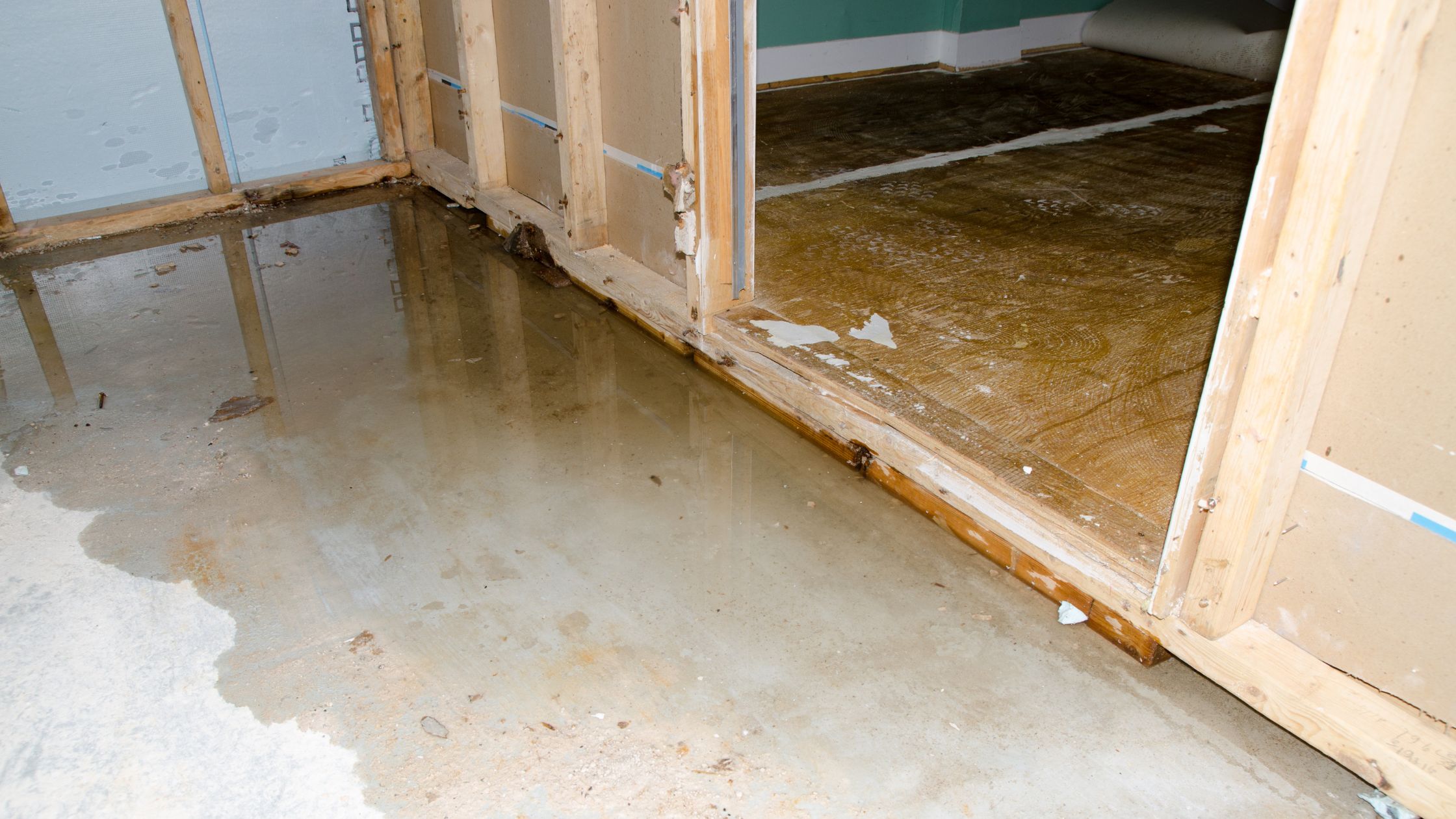
If you notice water pooling around the base of the heater, there may be a seal failure or an internal crack. In this case, switch off the appliance immediately and call a plumber.
Checks to Do Before Calling a Plumber
Before picking up the phone, run through these quick checks:
If none of these checks resolves the problem, it's time to call a professional.
When to Call a Plumber Urgently
Some situations require immediate professional intervention:
Do not attempt to repair a gas appliance yourself -- this poses serious safety risks.
Electric or Gas Water Heater: What Are the Differences?
Electric water heater:
Gas water heater (instantaneous or tank):
In both cases, regular maintenance significantly extends the life of the appliance and prevents unexpected breakdowns.
The Importance of Regular Water Heater Maintenance
Annual servicing of your water heater is strongly recommended. It allows:
In Paris, where water hardness accelerates limescale deposits, annual maintenance is particularly important.
Why Call Reseau Tubulure Paris?
Whether it's a simple repair or a full replacement, Reseau Tubulure Paris handles all types of water heater breakdowns with speed and expertise.
Our strengths:
Get Your Hot Water Back Fast
No hot water is never a trivial problem -- it affects your daily comfort and, in some cases, your safety. By running through the basic checks listed above, you may be able to resolve the issue yourself. But if the problem persists, or if you notice any warning signs such as a leak or a burning smell, contact a qualified plumber without delay.
Reseau Tubulure Paris is available for fast, safe, and lasting repair or replacement of your water heater.
Need a callout or a quote? Contact us now