

Leak Under Floor Slab or Screed in Paris: Detection and Emergency Response
The tiles in your bathroom are warm in one specific spot. Or you can hear a faint sound of water under the floor. Your water consumption is rising for no obvious reason.
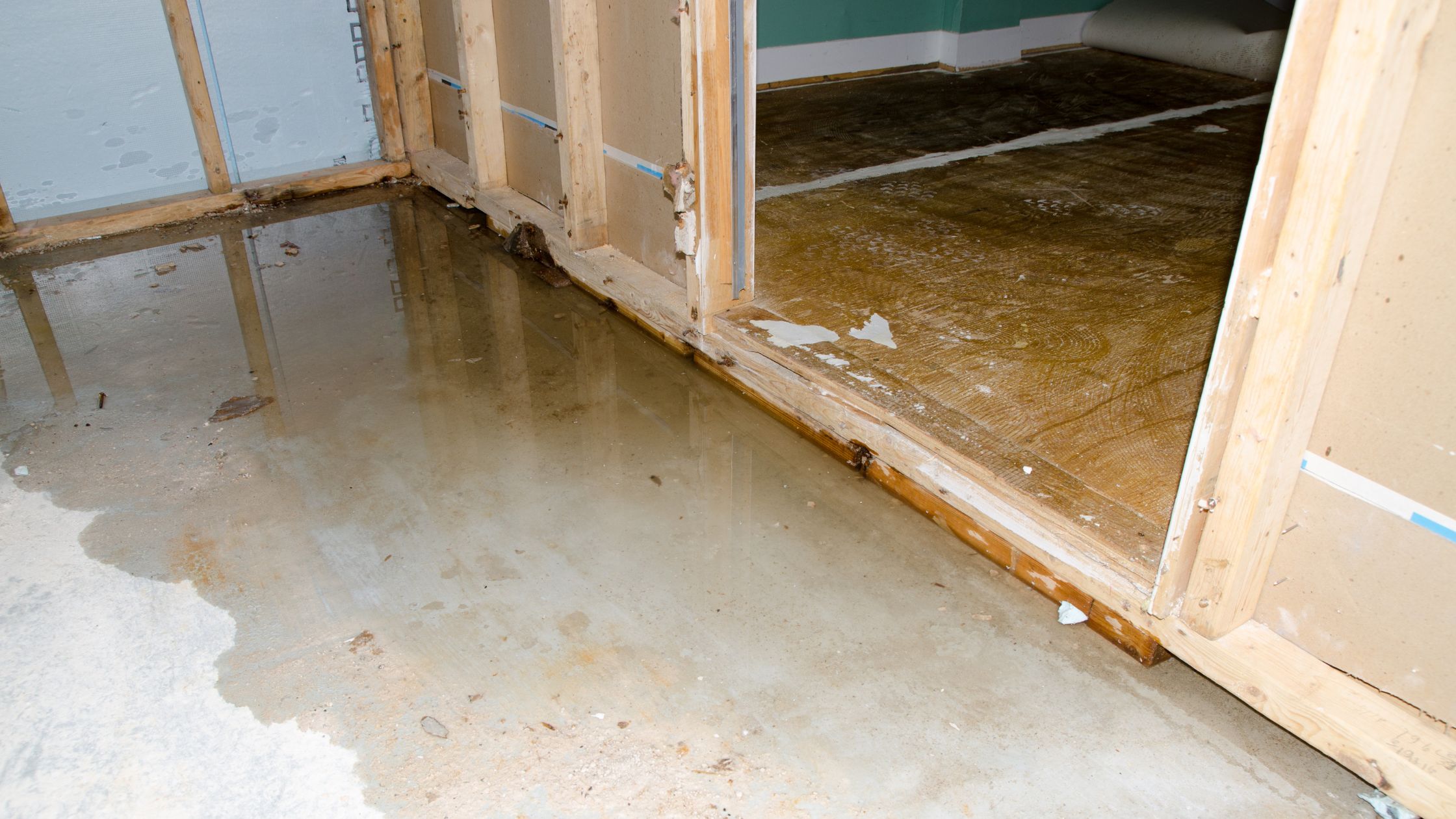
An under-slab leak is one of the most challenging plumbing situations. You can't see it. You can't easily access it. And while it flows, it is quietly damaging your structure.
Here's how to recognise it, how to detect it without demolishing everything, and how to act fast.
Warning signs to watch for
- Warm or hot tiles in specific areas: classic sign of an underfloor heating leak — water escaping and warming the surface in the wrong place
- Damp patch on the ceiling below: water has passed through the slab and is appearing from below
- Water meter turning with everything off: sign of an active leak, visible or not
- Unexplained spike in water bill: a slow under-slab leak can waste hundreds of litres per day with no visible symptom
- Muffled sound of water under the floor: less common, but indicates a significant pressurised leak
- Tiles or floorboards lifting: moisture rising by capillary action is dislodging the floor covering
A single one of these signs is reason enough for a professional inspection. Several together is an emergency.
Why an under-slab leak is serious
- Structural damage: water infiltrating concrete or screed weakens it over time. In older Paris buildings this can affect the integrity of the floor
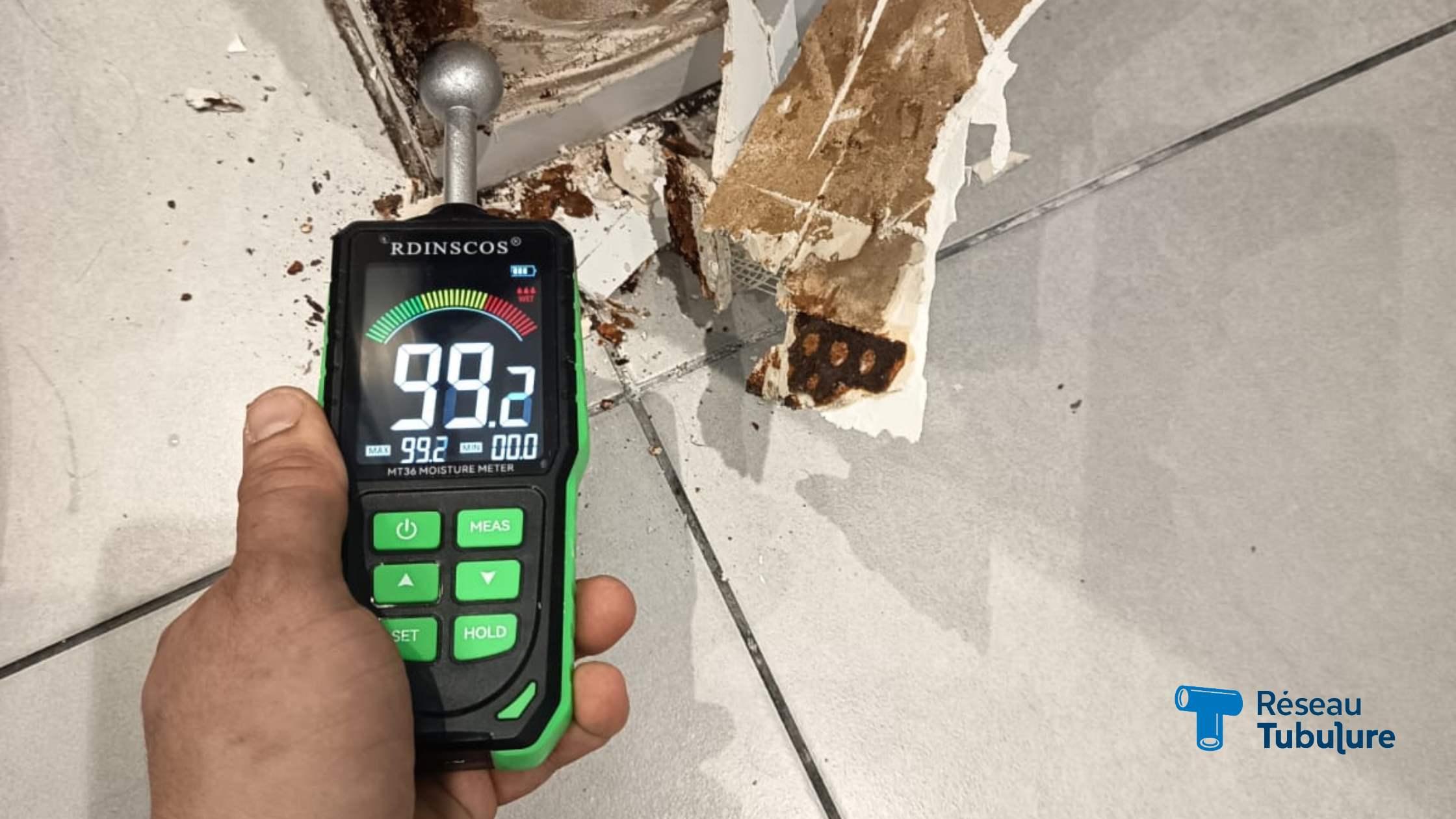
- Mould growth: persistent moisture creates ideal conditions for mould — with health implications for occupants
- Flooring deterioration: tiles, parquet, screed — everything in contact with moisture degrades and needs replacing
- Damage to neighbours below: water passes through slabs and appears on the ceiling of the apartment below, triggering a water damage claim
The longer you wait, the greater the extent of the damage — and the higher the repair bill.
Detection methods specific to under-slab leaks
The three techniques covered in our article on leak detection without breaking walls apply here, with some important specifics.
Thermal imaging — the first-choice method
For underfloor heating systems, this is the most effective approach. The thermal camera detects temperature anomalies at the surface of the tiles or floorboards with remarkable precision. The technician produces a complete thermal map of the floor — cold zones (cold water leak) or abnormally warm zones (heating circuit leak) show up clearly. No opening required.
Tracer gas — for thick slabs
On a thick concrete slab, thermal imaging may not be sufficient. Tracer gas (nitrogen + hydrogen) is injected into the pipe after isolating the network from pressure. The gas rises through the slab and escapes at the leak point. A surface detector locates it with centimetre-level precision — so only a small, targeted opening is needed.
Acoustic detection — for pressurised supply pipes
If the leak is on a pressurised supply pipe (hot or cold water), acoustic detection works even under a slab. Sensors placed at network access points triangulate the position of the leak.
Under-slab leaks and insurance
What your home insurance typically covers:
- Leak search and detection costs (plumber, equipment, technical report)
- Reinstatement after opening (slab repair, tile replacement)
- Damage caused to neighbours
Réseau Tubulure writes the technical report and manages the insurance claim for you. In most cases, you pay nothing. For the full procedure, read our guide on leak detection costs and insurance reimbursement in Paris.
Emergency response — how it works
- Call us: we assess the situation and offer a fast appointment.
- Water isolation: if the leak is active and significant, we advise closing the main stopcock while waiting.
- On-site detection: thermal imaging, acoustic detection or tracer gas depending on the configuration.
- Immediate report: photos and precise location ready for your insurer.
- Targeted repair: we open only at the leak point — not across the whole floor.
Key takeaways
- An under-slab leak shows itself through warm tiles, a spinning meter, or a damp patch on the neighbour's ceiling
- It is serious — the longer you wait, the greater the structural and financial consequences
- Thermal imaging and tracer gas locate it without demolishing the whole floor
- It is covered by your home insurance — provided you have a technical report
- Réseau Tubulure responds to emergencies 7 days a week across Paris and inner suburbs