

Installing Air Conditioning in a Paris Apartment Building: Permits, Approvals and Neighbour Rules
With the rate of air conditioning adoption rising from 18% in 2023 to 24% in 2025 according to ADEME, demand for installations is surging in Parisian apartment buildings. But fitting a split unit in a flat is not the same as in a detached house: facades, shared areas, noise, permits — the rules are numerous and neighbour disputes are common. Here is the complete process for installing air conditioning in your apartment building, by the book.
What requires a general assembly vote
The first question to ask is not technical but legal: are you allowed to mount an outdoor unit on the building's facade?
The principle: the facade is a shared area
In an apartment building, the facade belongs to all co-owners. Any modification to its appearance — drilling, mounting equipment, running conduits — requires prior authorisation voted at a general assembly (GA). Article 25 of the French law of 10 July 1965 applies: a majority of the votes of all co-owners (present, represented and absent) is required.
What is covered
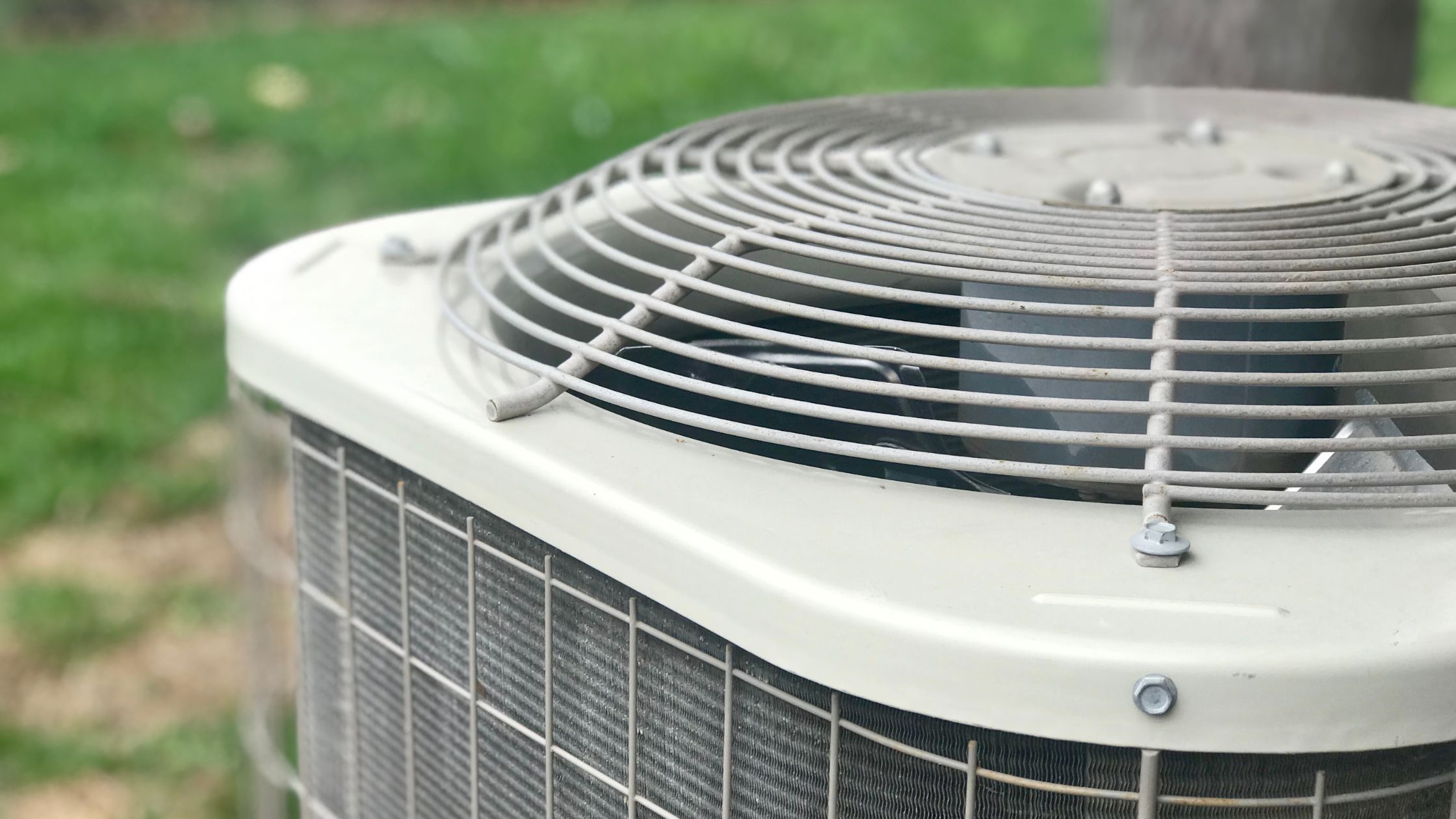
– Installing an outdoor AC unit on the facade, balcony (if it is a shared area with private use) or rooftop
– Running refrigerant lines and electrical cables on or through shared areas (service shafts, load-bearing walls, facades)
– Connecting to a shared drain for condensate
What generally does not require a vote
Installing an indoor unit (wall-mounted split, console) inside your flat, with no impact on shared areas, falls within your private rights. However, connecting it to the outdoor unit almost always involves shared areas, which brings it back to a GA vote.
For a deeper look at the specific rules governing air conditioning in Parisian apartment buildings, see our dedicated article on apartment building regulations.
The authorisation process
Preparing your file before the GA
To maximise your chances of getting GA approval, present a complete file:
– Installation plan: a diagram showing the planned location of the outdoor unit, the route of the refrigerant lines and the condensate drain.
– Technical data sheet: power output, dimensions, noise level (in dB(A) at 1 metre).
– Quote from a qualified installer: it must specify the mounting method, the nature of any drilling and any necessary restoration work.
– Photo mockup: a visual simulation of the unit in place reassures co-owners about the aesthetic impact.
Adding the resolution to the agenda
You must send your request to the building manager early enough for it to appear on the agenda of the next GA. The notice period is a minimum of 21 days before the GA, so plan ahead. The resolution must be clear: "Authorisation granted to Mr/Ms X for the installation of an outdoor air conditioning unit at the location defined in the attached file, at their sole expense."
After the vote
If the resolution is adopted, keep the GA minutes: this is your official authorisation. If it is rejected, you cannot proceed regardless. A co-owner who installs an outdoor unit without authorisation faces legal action that can result in the unit being removed at their expense.
Noise and neighbours: the rules to follow
Noise is the primary source of disputes related to air conditioning in apartment buildings. The outdoor unit, even a modern one, emits a continuous hum that can become unbearable for a neighbour whose bedroom faces the same wall.
Applicable regulations
– Public Health Code (Article R. 1336-5): neighbourhood noise is classified as a nuisance when it exceeds the ambient noise level by more than 5 dB(A) during the day, and more than 3 dB(A) at night (10pm–7am). For air conditioning, it is the emergence that is measured, not the absolute level.
– Building regulations: these may impose stricter requirements than the law (no nighttime operation, maximum dB level, etc.). Read them carefully before choosing your unit.
– Paris prefectural decree: the City of Paris has an anti-noise decree that may apply in addition.
Tips for minimising noise nuisance
– Choose a quiet unit: modern outdoor units range from 45 to 55 dB(A) at 1 metre. Opt for models at the lower end of this range.
– Anti-vibration mounts: silent blocks under the outdoor unit reduce vibration transmission to the building structure.
– Thoughtful placement: avoid placing the unit facing your neighbour's bedroom window. A rooftop or courtyard position is sometimes preferable, subject to approval.
– Acoustic grille or housing: an acoustic enclosure can reduce noise by 3 to 5 dB(A), provided it does not obstruct the unit's ventilation.
Protected areas and planning declarations
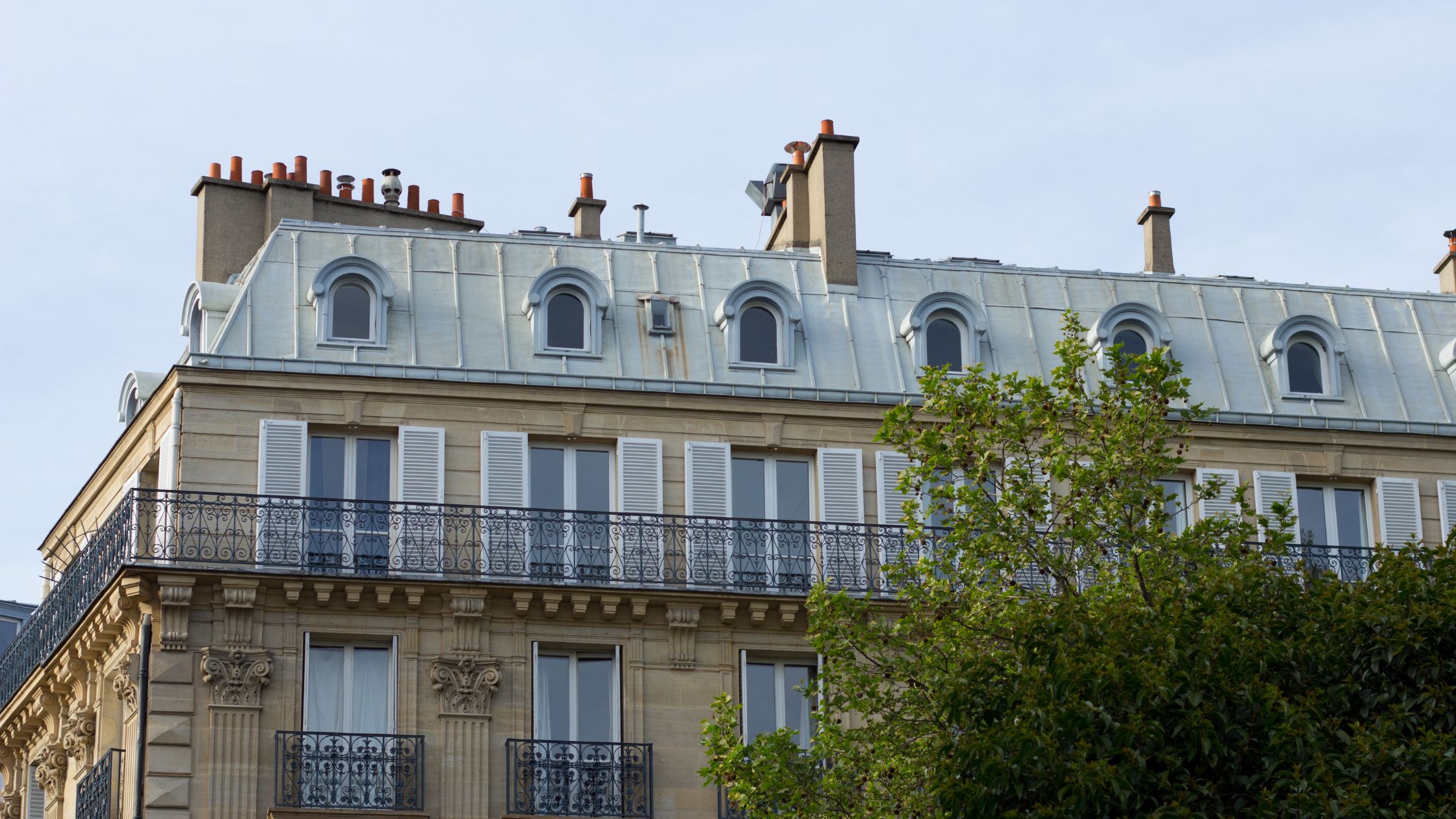
Paris has many areas subject to heritage protections that add an extra layer of requirements.
Affected zones
– Remarkable Heritage Sites (SPR): formerly ZPPAUP and AVAP, these cover much of historic Paris. Any modification to a facade visible from the public road is subject to the opinion of the Architect of Historic Buildings (ABF).
– Surroundings of listed monuments: within a 500-metre radius of a listed monument, the ABF can oppose the installation of a visible outdoor unit.
– Local Urban Plan (PLU): the Paris PLU may impose rules on facade appearance, even outside protected areas.
The prior works declaration
In these areas, a prior works declaration (Cerfa form no. 13703) must be filed with the arrondissement town hall before any installation. The processing time is generally one month, extended to two months when the ABF's opinion is required. No response within the deadline constitutes tacit approval, except in ABF zones.
Alternatives for protected facades
When facade mounting is refused, several solutions exist:
– Rooftop installation (if the building has a roof terrace and the apartment building authorises it)
– Courtyard installation (often less visible, but be aware of noise in a confined space)
– System without an outdoor unit (monobloc with duct exhaust) — less efficient but no impact on the facade
What tenants can do
The principle: no works without the landlord's consent
A tenant cannot modify the property without the written consent of their landlord. Installing air conditioning (split, ducted) is considered a modification to the property. The tenant must therefore:
1. Obtain written consent from the landlord
2. The landlord must then obtain authorisation from the apartment building GA (if the installation affects shared areas)
Solutions that require no works
A tenant can, without any special authorisation, install:
– A portable air conditioner (monobloc on wheels with window exhaust) — no mounting, no modification
– A fan or evaporative air cooler
These solutions are less effective than a fixed split unit, but they require no administrative steps.
The question of charges
If the landlord has air conditioning installed, they may pass on part of the cost through a rent increase, within the framework of a mutual agreement or lease renewal. Routine maintenance costs (filter cleaning) are generally borne by the tenant, while major repairs remain the landlord's responsibility.
Frequently asked questions
Do you need apartment building approval for AC?
Yes, as soon as the installation affects the building's shared areas — which is the case in the vast majority of situations: mounting an outdoor unit on the facade, running conduits through a load-bearing wall, connecting to a shared drain. Authorisation must be voted at a general assembly by the Article 25 majority (majority of all co-owners). Installing without authorisation exposes you to forced removal.
What if a neighbour installs a noisy AC unit?
Start with a friendly discussion: the neighbour may not be aware of the nuisance. If the noise persists, write to the building manager by registered letter citing the building regulations and the Public Health Code. You can also request an acoustic measurement by an accredited professional. As a last resort, the courts can order compliance or removal of the unit. If the installation was done without a GA vote, this is a strong legal argument.
Can a tenant install air conditioning?
A tenant can install a portable air conditioner without any special authorisation, provided no modification is made to the property (no drilling, no wall mounting). For a fixed installation (split, ducted), written consent from the landlord is required, and the landlord must then seek authorisation from the apartment building if shared areas are affected. At the end of the lease, the tenant may be required to restore the property to its original condition, unless otherwise agreed with the landlord.
---
Looking to install air conditioning in your Parisian apartment building and need support with technical and regulatory aspects? Contact Réseau Tubulure for a personalised assessment and a quote tailored to your situation.
Contact Réseau Tubulure
Need a plumber or air conditioning specialist in Paris? Réseau Tubulure responds quickly throughout Paris and Île-de-France.