

Heating System Flushing in Paris: The Gesture That Saves Your Energy Bills
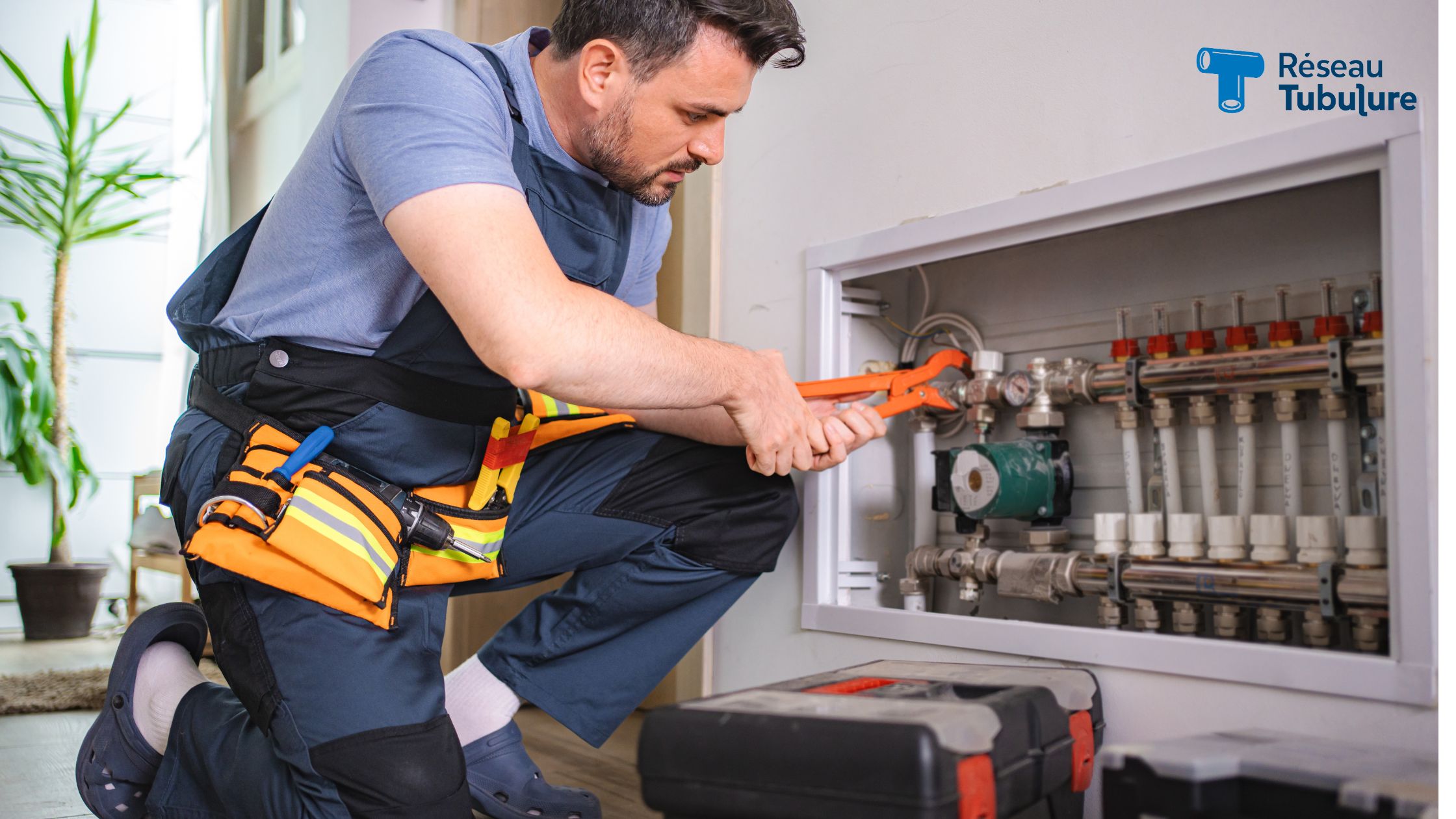
Your boiler runs full blast, but some radiators stay lukewarm, cold at bottom, or take forever to heat? The invisible but destructive culprit: sludge.
Flushing is a little-known technical process, often ignored by standard maintenance contracts, but it's vital for your installation longevity (boiler, radiators or underfloor heating) and to drastically reduce your gas or electricity bill. At Réseau Tubulure, we're energy performance experts. Here's the complete guide on this crucial intervention, especially in anticipation of heat pump installation.
What is Heating Sludge and Where Does It Come From?
Sludge isn't dirt, but a corrosive mixture forming inside your pipes and radiators.
The Dangerous Cocktail
It consists of:
- Iron oxide (Rust): Iron from radiators or pipes corrodes in contact with oxygen dissolved in water.
- Microorganisms and algae: They develop in hot stagnant water.
- Limescale residues: Especially in Paris where water is hard.
This sludge circulates and settles in low flow zones (radiator bottoms, bends, boiler exchangers).
The 4 Warning Signals: When to Flush?
Flushing is recommended every 5 to 10 years depending on installation age, but urgent if you notice:
- Cold zones on radiators: Top is hot, bottom is cold (sludge has settled).
- Water circulation noises: Gurgling, whistling, pump (circulator) struggles to push water.
- Struggling boiler: It overheats or goes into safety mode because hot water doesn't circulate fast enough.
- Heat Pump (HP) project: Flushing is mandatory before HP installation, as sludge destroys the new heat exchanger.
Flushing Techniques (Réseau Tubulure Method)
We use two complementary techniques to guarantee clean network:
1. Chemical Flushing (Preventive)
We inject neutral pH cleaning product into circuit. Water circulates and product dissolves sludge and rust over several days. Ideal for regular maintenance.
2. Hydrodynamic Flushing (Curative)
This is shock method for heavily clogged networks (often case in old Parisian buildings).
- Process: We connect powerful professional pump (hydro-cleaner) to circuit. It sends water and air mixture by pulsations to create "descaling" mechanical effect that removes stubborn sludge, radiator by radiator.
- Result: Sludge is discharged into recovery tank, and network is purged.
3. Protection (Inhibitor Addition)
Once circuit is clean, we inject corrosion inhibitor. This product forms protective film inside pipes to prevent new sludge formation.
Water Heater Failure: Diagnosis and First Reflexes
Return on Investment
Flushed network allows:
- Energy savings: Up to 15% to 25% gain on your heating consumption.
- Longevity: Your boiler or heat pump lifespan is extended.
- Comfort: Homogeneous and rapid heat in all rooms.
Conclusion: Don't Ignore the Problem
Don't confuse simple radiator bleeding (remove air) with flushing (remove sludge). If top is cold, it's air. If bottom is cold, it's sludge.
For precise diagnosis of your network condition and professional flushing in Paris, trust our expertise.
Réseau Tubulure - Plumbers and proud of it! 🔧