

Leak Under the Sink That Comes Back Despite Your Repairs: Why and What to Do
You have tightened the fitting, changed the seal, perhaps even replaced the trap, and yet water reappears under the sink a few days or weeks later. This leak that persists despite your attempts is particularly frustrating, as it gives the impression of treating the symptom without ever reaching the real cause. This guide explains why a leak can return after an initial intervention, and why, at this stage, calling a professional becomes the most rational solution.
A leak that persists after one or several interventions is never a coincidence. It almost always signals that the treated cause was not the right one, or that a deeper cause continues to act alongside the apparent repair.
Why a leak can return after repair
The real cause was not the one treated
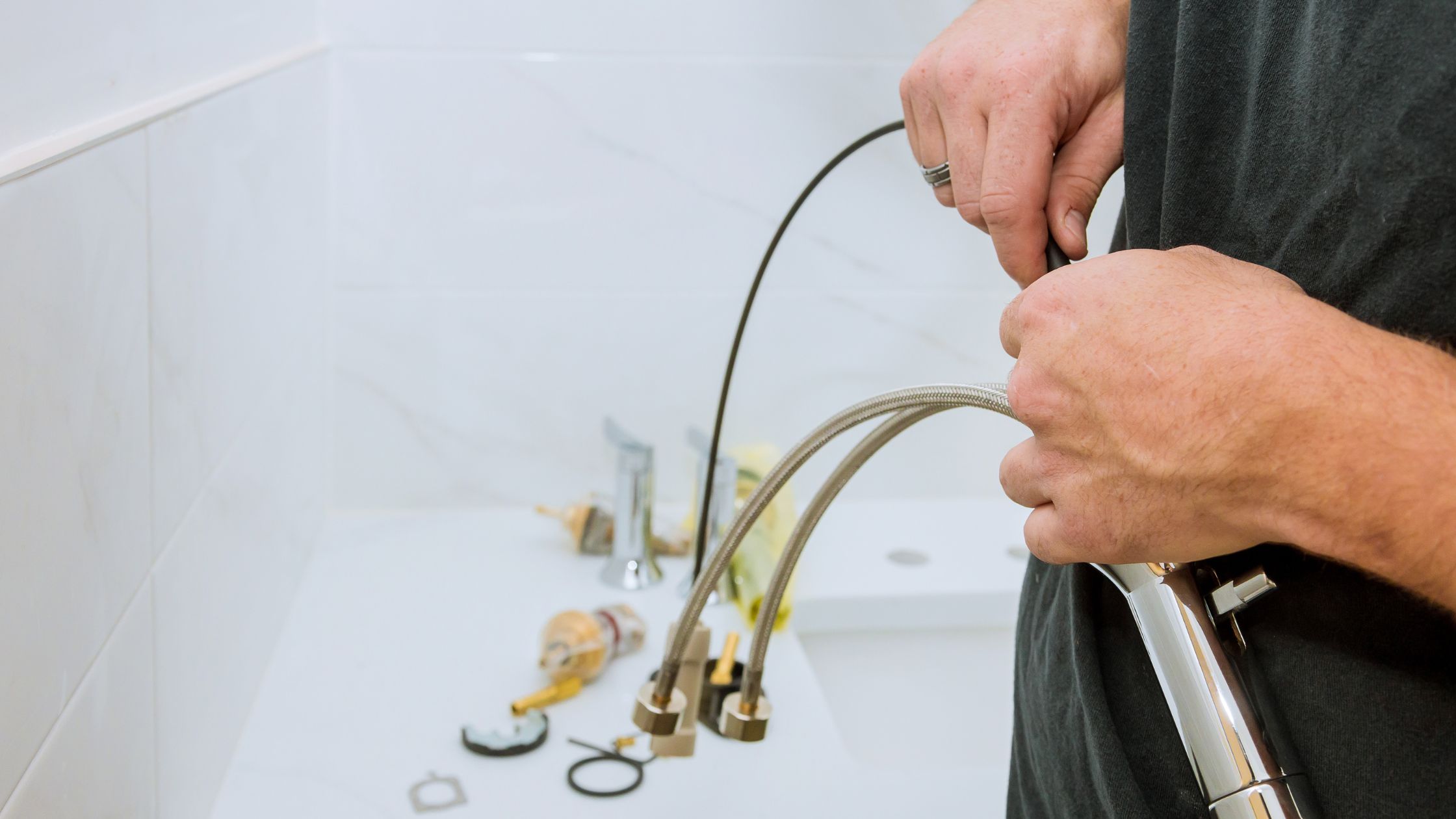
Under a sink, several elements can be the source of a leak: the trap, the hot and cold supply fittings, the mixer hose, the sink's own seal, or a cracked waste pipe further upstream. Without a methodical diagnosis testing each element separately, it is easy to treat a visible symptom while leaving the real cause acting silently.
A pressure problem weakening the repairs
If your home has abnormally high water pressure, freshly repaired seals and fittings can fail again more quickly than on an installation with normal pressure. This underlying cause is not always obvious without a specific check of the network pressure.
Generalised wear of the pipework
On an old installation, a leak that seems localised to a precise point may in fact reveal a wider weakening of all the pipework under the sink. Repairing a single point then merely shifts the problem temporarily to the next weak point.
A faulty initial fitting or assembly
Some recurring leaks originate in an imperfect initial assembly of the sink or taps, sometimes carried out during an earlier renovation. A badly positioned seal or a slightly misaligned fitting may seem correctly repaired at the time, while recreating the conditions for a new leak.
The consequences of an ignored or badly treated leak
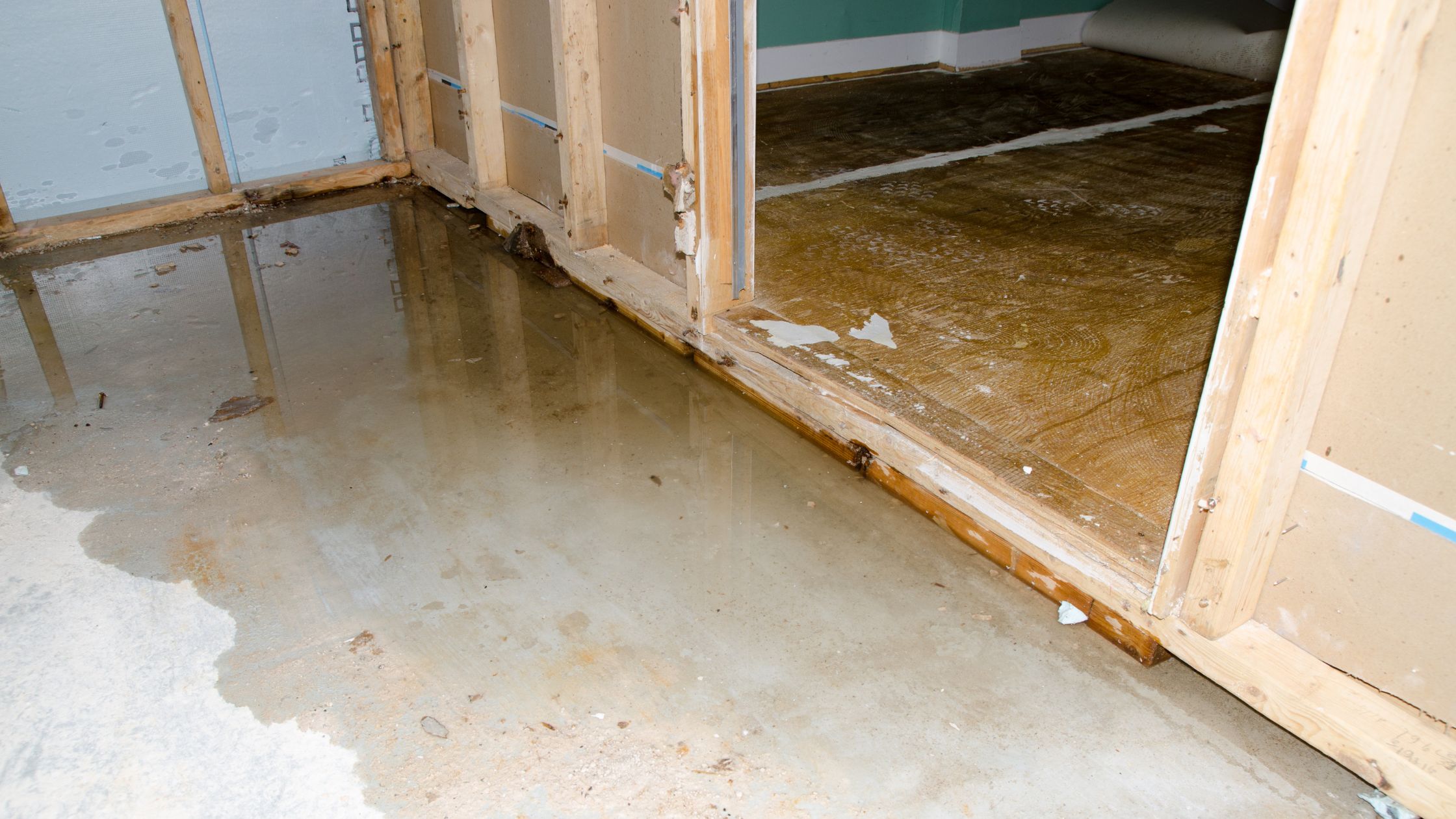
A leak under the sink, even modest in appearance, causes damage that worsens over time if it is not treated at its source. Permanent damp weakens the unit's cabinet, encourages the growth of barely visible but persistent mould, and can eventually seep into the floor or adjacent partitions.
Beyond material damage, a persistent leak wastes water continuously, which directly affects your bill. Our article on a rising water bill and hidden leaks explains how this type of leak, however small, ends up weighing heavily.
Why a professional diagnosis changes things
Faced with a leak resisting several repair attempts, a professional brings a systematic method that observation alone cannot always reproduce. They test each fitting and each junction under pressure, check the state of the trap and the whole waste system, and verify whether the network pressure is not prematurely weakening the recently repaired elements.
This complete diagnosis allows the exact cause to be identified rather than multiplying hypotheses by trial and error. It also avoids the waste of time and money represented by repeated repairs with no lasting result.
What a professional systematically checks
During an intervention for a recurring leak under the sink, a professional generally follows a structured method:
Checking the tightness of each fitting, one by one, under normal usage pressure.
Full inspection of the trap and its connection to the main waste pipe.
Checking the network pressure at this precise point of the installation.
Examining the general condition of the visible pipework under the sink.
Checking the assembly and fixing of the sink and its taps.
When this leak should alert you further
Certain signs should speed up your decision to call a professional. A damp or musty smell developing under the unit, a visible swelling of the cabinet wood, or a leak that seems to worsen from one time to the next are all signals indicating the situation should no longer wait.
Likewise, if you observe that water is seeping beyond the sink unit alone, for example towards the adjacent floor or a neighbouring partition, the intervention becomes urgent to limit the extent of the damage.
The cost of an intervention
Many people delay calling a professional out of fear of the cost, even though multiplying unsuccessful attempts often ends up costing more in needlessly purchased parts and accumulated damp damage.
To understand how the price of a plumbing intervention is built, our article on the cost of an intervention and how to read a quote details the elements that make up a transparent invoice.
Preventing recurrence after the repair
Once the real cause is identified and treated, a few simple habits limit the risk of a new problem appearing. Avoid storing heavy objects directly against the pipework under the sink, which can exert involuntary pressure on fragile fittings. Visually inspect the inside of the unit roughly once a month.
If your home has high water pressure, identified during the diagnosis, adjusting the pressure reducer can prevent premature wear of other fittings elsewhere in the home.
Condominium: when the leak goes beyond the sink alone
In some cases, a leak that seems localised under a sink actually reveals a problem located further upstream, on a section of pipe serving several homes. This is notably the case when the leak persists despite repeated repairs on strictly private elements.
If a professional identifies that the origin lies on a collective pipe, the approach joins that described in our article on riser pipe leaks in a condominium, which involves the building manager.
Frequently asked questions
Can I keep trying to repair it myself?
After one or two unsuccessful attempts, it is more rational to call a professional rather than multiplying tries. Each further attempt delays the real diagnosis while letting the damp damage accumulate.
Does a recurring leak mean the whole sink must be changed?
Not necessarily. In many cases, a precise diagnosis allows the exact cause to be treated without a full replacement. Replacement becomes relevant mainly if the installation is very old or if several elements show simultaneous signs of fatigue.
How long does an intervention take?
The diagnosis and repair are generally carried out in a single visit, unless replacing a specific part requires a supply delay.
In summary
A leak under the sink that comes back despite your repairs is never a coincidence: it signals that the real cause has not yet been treated, whether a pressure problem, generalised wear or an imperfect initial assembly. A methodical professional diagnosis remains the most effective solution to end this cycle durably.
Reseau Tubulure diagnoses and durably repairs recurring leaks under sinks in Paris and the inner suburbs. Contact us to be done with this leak.
Contact Réseau Tubulure
Need a plumber or air conditioning specialist in Paris? Réseau Tubulure responds quickly throughout Paris and Île-de-France.