

Rising Water Bill: Could a Hidden Leak Be the Cause?

You open your water bill and the amount surprises you: it has increased significantly without any change in your habits. Before blaming a rate hike, ask yourself the right question—because a rising water bill is very often the sign of a hidden leak running somewhere in your home, day and night. These concealed leaks, in buried pipes, under a slab, or in a toilet cistern, can waste liters continuously without leaving the slightest visible trace. This guide helps you understand, detect, and fix this problem before it takes a lasting toll on your budget and damages your home.
The good news is that a hidden leak can be tracked down methodically, and a few simple checks are often enough to confirm its presence. The sooner you act, the lighter the bill—both financially and in terms of material damage. Let's look at how to read the signs, conduct the investigation, and resolve the problem for good.
Why a Leak Drives Up Your Bill
A leak, even one that seems minor, runs continuously. A thin stream of water that looks negligible adds up, over a full month, to a considerable volume. Unlike normal usage that stops when you close the taps, a leak never pauses: it consumes at night, during your absences, without interruption. It is this continuity that explains bills that soar for no apparent reason.
The most expensive leaks are often the most discreet. A toilet cistern that constantly trickles into the bowl, a faulty seal on a buried pipe, a fitting seeping behind a wall: none of this is visible, but all of it shows up on the bill. That's why an unexplained rise in your consumption should always alert you and trigger a quick investigation.
The Meter Test: The Simple Method
To confirm the presence of a leak, there is a reliable and free method: the meter test. It involves checking whether water continues to flow when you are not using any. Here is how to proceed step by step.
Step 1: Close all water points
Make sure no tap is running, no water-consuming appliance is operating—no washing machine, no dishwasher—and that no one is using water during the test. The ideal time is before you leave for the night or for an absence of several hours.
Step 2: Read the meter
Note down the exact reading on your water meter, including the decimal digits if your meter shows them. This reading is your starting point. Also observe the small flow indicator wheel or star on the meter: if it turns while everything is shut off, that is already a strong sign of a leak.
Step 3: Wait without using any water
Let several hours pass—ideally an entire night—without using a single drop of water. This time allows even a slow leak to leave a measurable trace on the meter. Patience is what makes this test conclusive.
Step 4: Read again and compare
In the morning, read the meter again. If it has increased even though no one used water, the conclusion is clear: a leak is hiding somewhere in your system. Our article on a water meter that runs with everything shut off provides a detailed interpretation of this test.
Where Hidden Leaks Like to Hide
Once the leak is confirmed, the next step is to locate it. The most common hiding spots are well known to professionals:
The toilet cistern, whose mechanism often lets a continuous trickle flow into the bowl.
Pipes buried inside walls or partitions, invisible by definition.
Pipes running under a slab or floor, particularly difficult to detect.
Fittings under sinks, basins, and behind appliances.
The water heater's safety group, which can drip continuously.
For accessible leaks, a careful visual inspection is sometimes enough to spot them. For leaks buried in walls or under slabs, however, a professional leak detection is required. Our article on non-destructive leak detection explains the modern techniques that pinpoint a leak without demolishing your walls.
The Telltale Signs
Beyond the bill and the meter test, certain clues betray a hidden leak. A damp patch or water ring appearing on a wall or ceiling, paint that blisters, or wallpaper that peels are all signals. A persistent musty smell in a room with no apparent cause should also raise alarm. Sometimes, it is an unusually warm spot on the floor that reveals a leak on a hot water pipe.
A faint, persistent sound of flowing water, audible at night when everything is quiet, is also revealing. If you notice any of these signs in addition to a high bill, don't wait: the longer a hidden leak continues, the more it damages your home's structure. Our complete guide on hidden leaks and how to repair them without breaking walls details each of these symptoms.
What to Do Once the Leak Is Confirmed
If the meter test is positive but you cannot find the source, it's time to call a professional equipped for leak detection. Using specialized tools such as thermal imaging cameras, tracer gas, or acoustic listening devices, they locate the source precisely without needlessly damaging your home. This precision avoids random demolition and targets the repair directly.
Our leak detection and location service deploys these techniques in Paris and the inner suburbs. On the financial side, there is good news: in many cases, leak detection and part of the repairs are covered by insurance. Our article on the cost of leak detection and insurance reimbursement provides a clear overview.
Reducing Your Consumption for Good
Once the leak is repaired, your bill should return to normal—which will confirm the diagnosis. Take this opportunity to adopt habits that permanently reduce your water consumption. Monitoring your meter regularly, promptly fixing even the smallest drip, and maintaining your installations are all practices that prevent unpleasant surprises.
Small fixtures like tap aerators or a dual-flush toilet also lighten the bill without sacrificing comfort. Our article on ways to reduce your water consumption at home gathers practical advice. Controlled consumption means a preserved budget and a contribution to resource conservation.
Hot Water or Cold Water Leak: Narrowing the Search
A valuable clue can sometimes help direct the search for a hidden leak: is it hot water or cold water? A leak on a hot water pipe often gives itself away through an unusually warm spot on the floor or wall, and sometimes through rising energy bills in addition to water bills, since the water heater constantly compensates. A cold water leak, on the other hand, tends to show cool dampness and stains.
This distinction helps the professional target their investigation and save time. If you notice a simultaneous increase in both your water and energy bills, a leak on the hot water network is a serious possibility. Observe and note these clues before the intervention: they usefully guide the search and reduce the diagnostic time.
The Impact of a Leak on Your Home
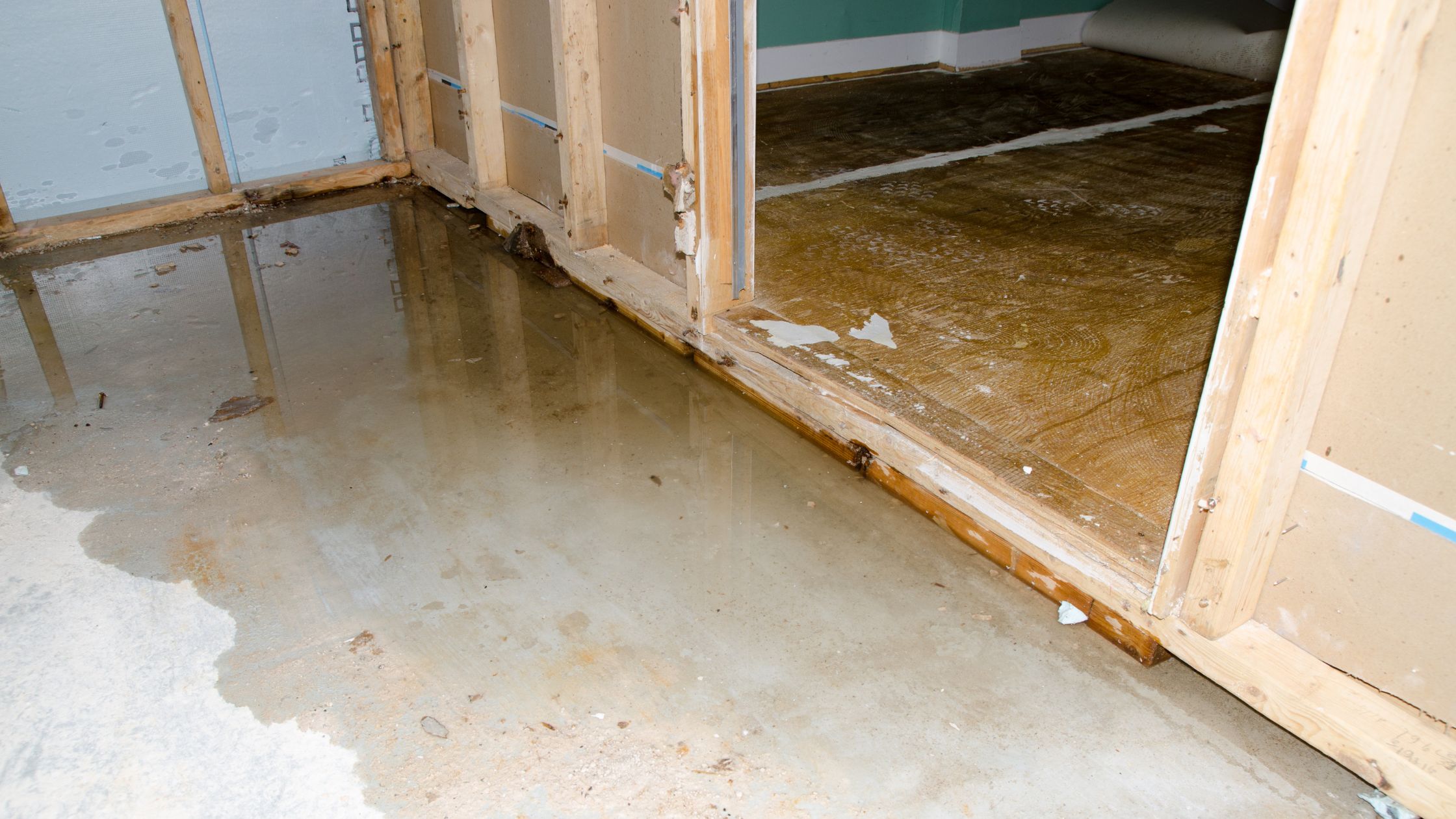
Beyond the bill, a hidden leak that persists damages your home. Permanent moisture weakens materials, peels coatings, encourages mold, and can eventually affect the structure. In a condominium, a leak that infiltrates reaches neighboring units and turns a personal problem into a collective dispute. That's why speed of detection matters as much as the repair itself.
The sooner a leak is detected and treated, the less significant the damage and the lower the cost—both for wasted water and for repairing the resulting harm. This is yet another argument for not ignoring an abnormal bill. Our article on the causes of high water bills and their solutions explores this link between leaks and costs in depth.
When the Leak Isn't in Your Home
Sometimes, a high bill or a spinning meter isn't explained by a leak within your home. The leak may be on a shared pipe, a riser, or between the meter and your installation. In that case, responsibility and coverage differ, and the condominium association or water utility may be involved.
The meter test remains the starting point for pinpointing the problem: if it spins while your private shut-off valve is closed, the leak is upstream, outside your home. Our article on a spinning meter and hidden leaks helps you interpret these situations and know whom to contact.
Acting Quickly: The Reflex That Makes the Difference
When faced with an abnormal bill, the temptation is strong to put off the investigation—due to lack of time or fear of the intervention cost. Yet the opposite is what you should do. Every day that passes with an active leak is wasted water driving up the bill and moisture advancing through the materials. The cost of waiting nearly always exceeds the cost of a prompt leak detection.
At the first sign of doubt, run the meter test, inspect the accessible hiding spots, and if the source remains elusive, call a professional without delay. This proactive approach is the best way to limit both the expense and the damage. A leak caught early is often resolved simply, whereas a leak left unchecked becomes a full-scale project. This reasoning applies to all leaks: speed of reaction is the factor that weighs most on the final amount, far more than the type or location of the leak. Taking the problem seriously from the first suspicious bill is therefore the most cost-effective decision you can make.
Can a small leak really cost a lot?
Yes. A thin continuous stream represents, over a month, a far greater volume than you might imagine, because it flows without interruption day and night. It is this continuity that drives up the bill, even for a seemingly harmless leak. What appears to be just a trivial drip becomes, over weeks, a very real line item on your bill.
How do you know if the leak is from the toilet cistern?
Pour a few drops of food coloring into the tank without flushing. If the color appears in the bowl after a few minutes, the mechanism is leaking. This is one of the most common hidden leaks and often one of the simplest to fix.
Is leak detection covered by insurance?
In many cases, yes—particularly when your home insurance policy includes a leak detection guarantee. Conditions vary by contract. It's worth checking your coverage and keeping all documentation from the intervention.
How long before a hidden leak becomes visible?
It can take weeks, even months. A slow leak behind a wall or under a slab runs for a long time before leaving a visible moisture trace. This is precisely why monitoring your bill and running the meter test are so useful: they reveal the leak well before any visible damage appears.
In Summary
A water bill that rises for no reason very often conceals a hidden leak running continuously. Confirm it with the meter test, look for signs of dampness and the usual hiding spots, then call a professional for a precise leak detection if the source remains unfound. Acting early limits the bill and protects your home, and the detection is often covered by insurance.
Abnormal bill, spinning meter, suspicious stain on a wall? Reseau Tubulure locates and repairs leaks—even hidden ones—in Paris and the inner suburbs. Contact us for a leak detection.
Contact Réseau Tubulure
Need a plumber or air conditioning specialist in Paris? Réseau Tubulure responds quickly throughout Paris and Île-de-France.