

Hot Water Turning Lukewarm After Five Minutes: The Causes
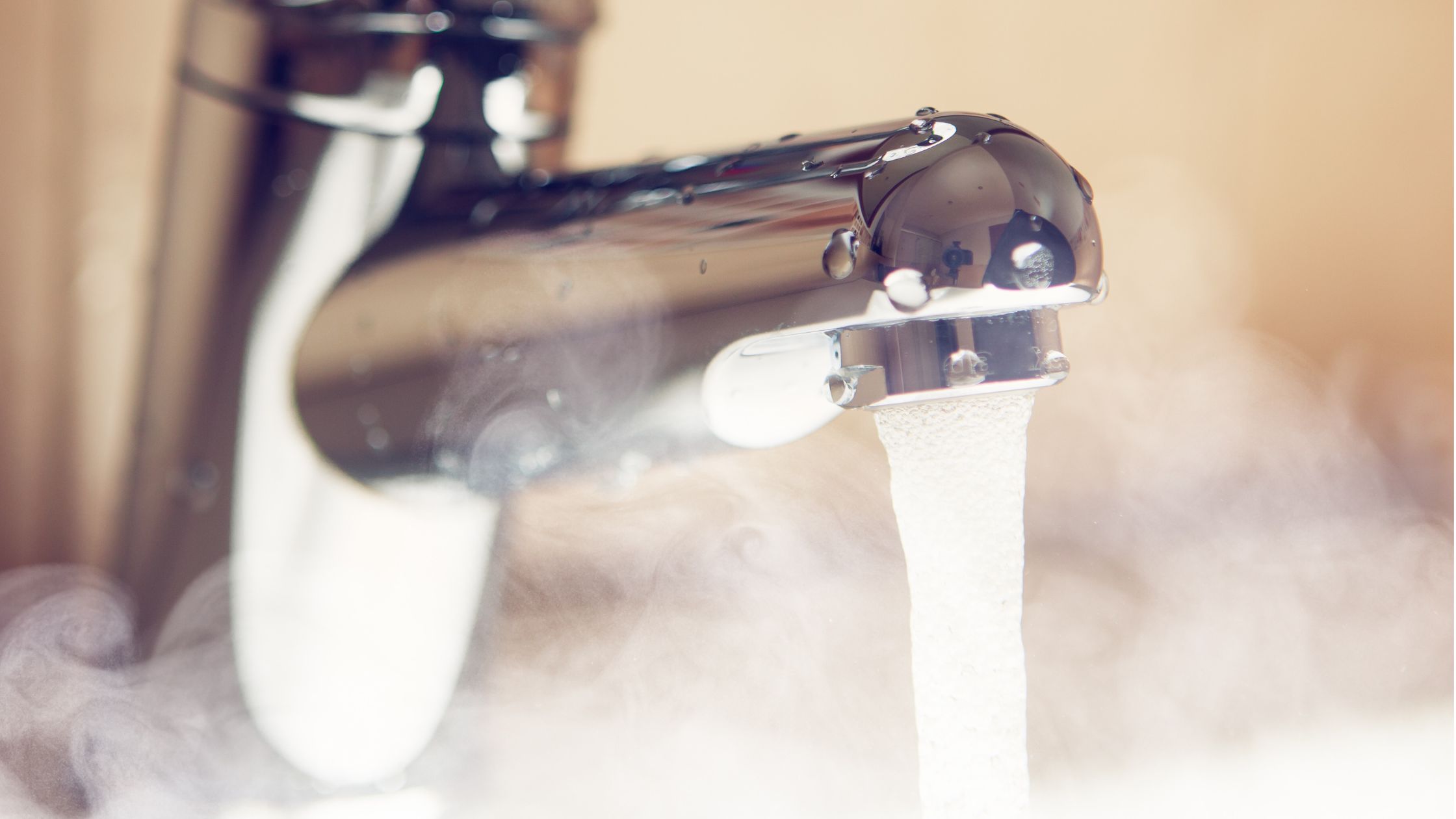
The shower starts nicely hot, then after three to five minutes the temperature drops and the water turns lukewarm, even frankly cold. This scenario, very common in flats, is often accepted as an inevitable consequence of ageing equipment. In reality, several well identified causes explain it, and some can be corrected without replacing anything.
This guide helps you identify the origin according to your type of installation, distinguish what is a settings issue from what signals a breakdown, and know when a professional visit becomes worthwhile.
First question: what type of system do you have
The diagnosis depends entirely on how your hot water is produced, because the causes have nothing in common from one system to another.
A storage water heater holds a volume of water heated in advance. If the water cools quickly, that store is running out faster than expected or is being poorly heated.
An instantaneous boiler produces hot water on demand. A temperature drop during use points instead to a flow problem, a scaled heat exchanger or a control fault.
Collective production, with a boiler shared by the building, shifts the question towards the network and the condominium.
Causes on a storage water heater
An undersized tank
This is the most frequent and simplest cause to understand. A low capacity tank simply does not hold enough hot water for several consecutive showers. If the problem appeared after an additional person moved in, this is almost certainly the explanation.
A thermostat set too low
A thermostat turned down to a low temperature mechanically reduces the genuinely usable reserve, since you mix in less cold water at the tap. A setting between fifty-five and sixty degrees is generally recommended, this threshold also limiting the health risks associated with standing water.
Heavy scaling of the heating element
Parisian water being hard, the element scales up over the years. Limescale acts as an insulator: the element heats, but transfers that heat poorly to the water. The tank then takes far longer to recover, and the sense of running short of hot water sets in.
An off-peak heating cycle
If your tank only heats at night and the store is exhausted by the end of the day, it will not recharge until the following night. This is not a fault but normal operation poorly matched to your usage, corrected by adjusting the contactor.
A faulty element or thermostat
Finally, if the tank no longer heats properly despite correct settings, the element or thermostat may be at fault. This diagnosis is a job for a professional.
Causes on an instantaneous boiler
On this type of appliance the problem rarely comes from an exhausted reserve, since there is none.
Scaling of the plate heat exchanger progressively reduces its ability to transfer heat to the water passing through. This is by far the most frequent cause in the Paris region.
Too high a flow rate at the outlet can also exceed the appliance's heating capacity: the water passes through too fast to reach temperature. Slightly reducing the flow sometimes restores the situation immediately.
A control or temperature sensor fault can finally distort the heating command. If your boiler is showing other signs of fatigue, our article on the signs a water heater needs replacing helps you place its overall condition.
The thermostatic mixer case
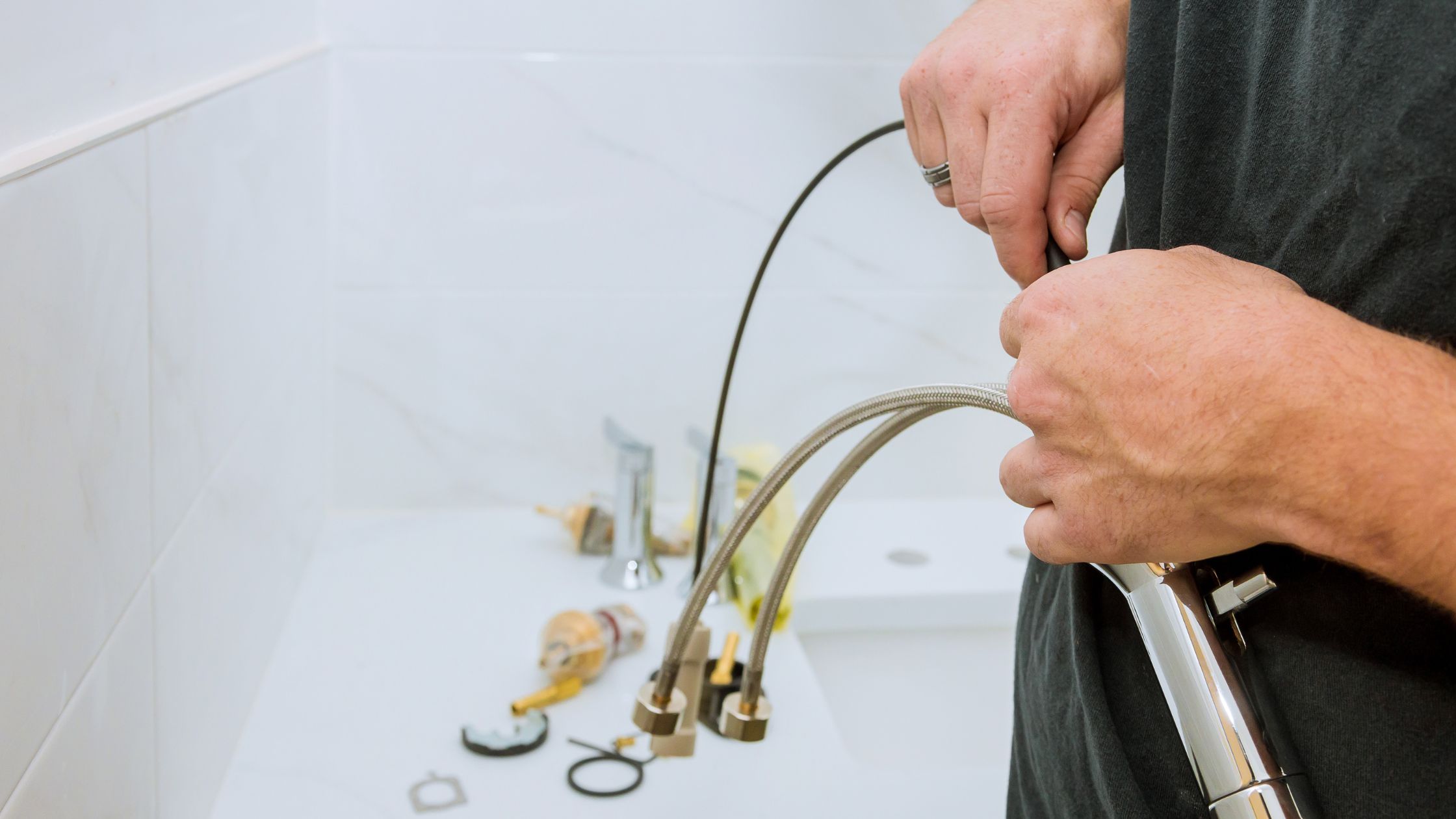
One often overlooked cause deserves checking before blaming the hot water production: the shower's own thermostatic mixer. Its cartridge scales up over time and can drift, letting through more cold water as use continues.
The test is simple: if hot water remains fine at the basin or kitchen tap but only turns lukewarm in the shower, the problem very probably lies with the mixer rather than your water heater. This check avoids an expensive diagnosis on the wrong equipment.
What you can check yourself
A few simple checks usefully orient the diagnosis before any call.
Test several water points to establish whether the problem is general or limited to the shower.
Find your tank's capacity on its rating plate and compare it with the number of occupants.
Check the thermostat position and that of the day/night contactor if your installation has one.
Note how long the problem has existed and whether it appeared gradually, suggesting scaling, or abruptly, suggesting a fault.
Finally, ask a neighbour whether the problem is familiar to them, in the case of collective production.
When to call a professional
Descaling a tank or exchanger, replacing an element or thermostat, adjusting a contactor: these interventions remain moderately priced and generally restore normal comfort without changing the appliance.
Call someone in if the problem affects every water point, if it worsens month by month, if your tank is more than eight years old without servicing, or if you notice other symptoms such as unusual noises or rusty water at start-up.
A professional will also determine whether the real problem is undersizing, in which case no repair will resolve the situation durably and only a larger appliance will deliver the expected comfort.
Preventing the problem over time
Regular servicing remains the best protection against gradual deterioration of hot water comfort. Periodic descaling of the tank, at a frequency depending on water hardness, preserves the element's efficiency and the reserve genuinely available.
In homes where scaling returns quickly, water treatment may be considered. Our article on water softeners in Paris examines the real value of this solution case by case.
Frequently asked questions
What tank capacity is needed for two people?
It depends mainly on habits: long or short showers, simultaneous or spaced use. A professional sizes the tank according to the number of occupants and the actual consumption pattern rather than a single rule.
Does descaling really restore original comfort?
On a scaled but otherwise sound appliance, yes, often very noticeably. On an appliance at the end of its life it brings a temporary gain but does not replace the question of renewal.
Why is the water hot at the basin but lukewarm in the shower?
This discrepancy almost always points to the shower's thermostatic mixer, whose cartridge is scaled or has drifted. The hot water production itself is working normally.
Is turning the thermostat to maximum a good solution?
No. An excessive temperature accelerates scaling, increases consumption and creates a scalding risk at the tap. The recommended setting offers the best compromise between comfort, safety and appliance longevity.
In summary
Hot water turning lukewarm quickly is explained by an undersized tank, a badly set thermostat, scaling of the element or exchanger, or more simply by a tired thermostatic mixer. Testing several water points already rules out half the hypotheses. Regular servicing remains the best way to keep comfort stable over time.
Reseau Tubulure diagnoses and restores your hot water production in Paris and the inner suburbs. Contact us for a quick diagnosis.
Contact Réseau Tubulure
Need a plumber or air conditioning specialist in Paris? Réseau Tubulure responds quickly throughout Paris and Île-de-France.