

Water Damage: The First Five Minutes That Limit the Damage

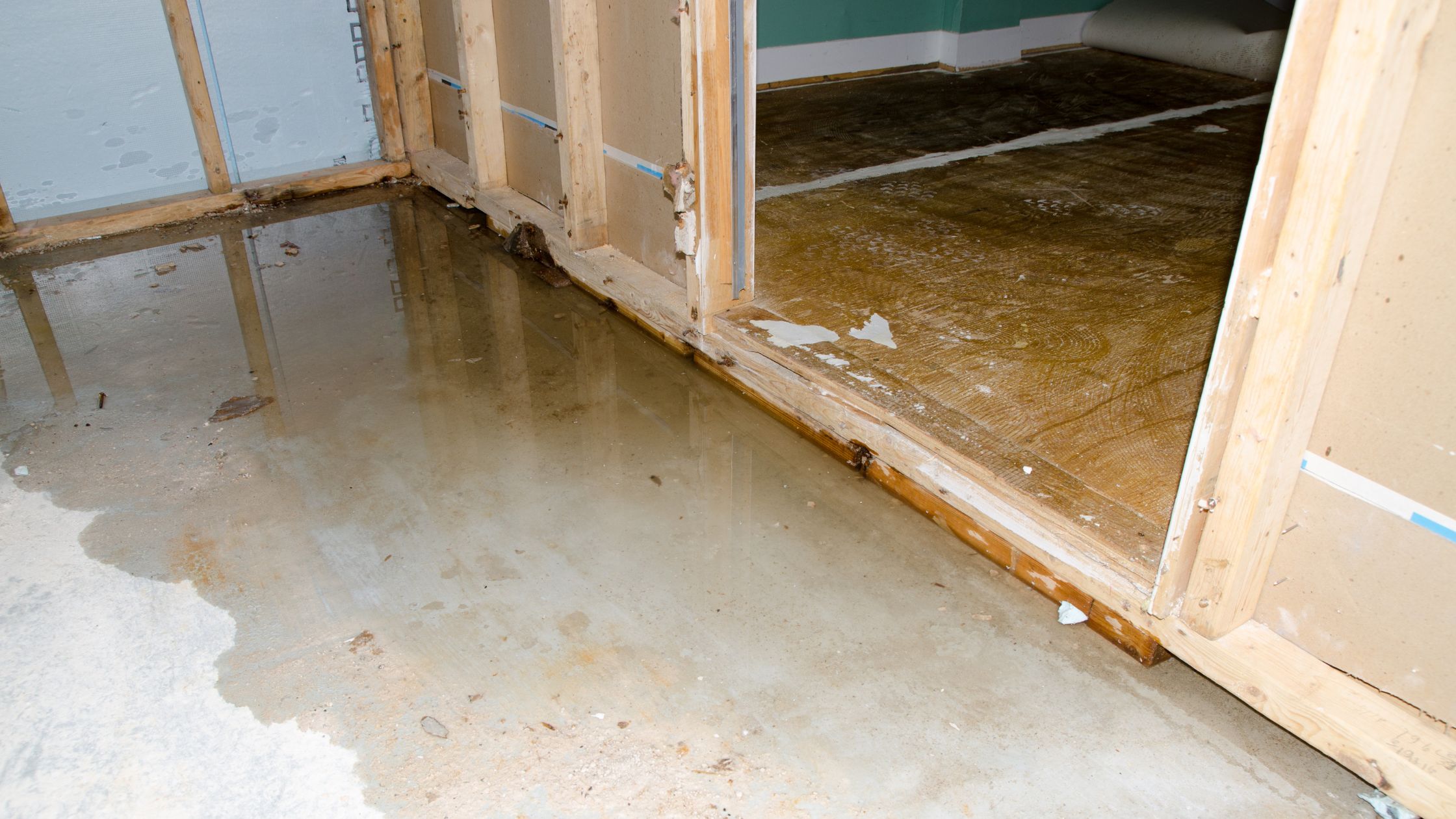
A ceiling dripping, a puddle spreading across the floor, water seeping along a wall: when water damage strikes, the first five minutes make all the difference. Reacting well in the initial moments can turn a disaster into a mere incident, while hesitation lets water infiltrate, reach the floors below, and multiply the repair bill. This guide gives you, in order, the steps to take immediately to control the situation, protect your home and your neighbors', then calmly proceed with repairs and insurance claims.
Panic is natural when water invades your home, but it's a poor advisor. By knowing the procedure in advance, you gain the composure needed to act quickly and correctly. Keep this checklist in mind: shut off, protect, identify, document, call. These five reflexes, applied within the first minutes, are your best defense against the scale of a disaster.
Minute 1: Shut Off the Water
The very first thing to do, before anything else, is shut off the water supply. As long as water keeps flowing, the situation worsens second by second, and nothing you do afterward will be truly effective. Go to your main shut-off valve—usually located near the meter, under the kitchen sink, or in a utility closet—and close it by turning it clockwise. If you can pinpoint the exact source of the leak, such as a local shut-off valve under a sink, you can close that directly.
This is precisely why it's essential to know, in advance, where your main shut-off valve is and to verify that it isn't seized. A valve you search for in a panic, or one that refuses to turn, costs you the most precious minutes. Take the time, on a calm day, to locate it and turn it once. This simple preventive step is worth its weight in gold on the day of a water damage event.
Minute 2: Cut the Electricity if Needed
Water and electricity are a dangerous combination. If water is approaching an outlet, an electrical panel, cables, or a plugged-in appliance, immediately cut the electricity to the affected area at the circuit breaker. Take no risks: do not touch an electrical appliance sitting in water and do not walk through a puddle that has reached a power source. Your safety comes before protecting your belongings.
If you have the slightest doubt about the electrical safety of your home after water damage, leave the power off until a professional has inspected the installation. Water infiltration into a panel or an electrical conduit can create a hazard even after the water has been removed. It's better to spend an evening without electricity than to expose your household to an electrical risk.
Minute 3: Protect and Contain
Once the water is off and safety is ensured, limit the spread. Mop up, place towels, buckets, and containers to catch water still dripping from a ceiling or wall. Move or elevate furniture, rugs, appliances, and valuables that can still be saved. If water is pooling on the floor, direct it if possible toward a drain or outside to prevent it from stagnating and soaking into materials.
Every object moved to safety, every liter of water contained, is that much damage avoided. Act methodically rather than frantically: start with what is most fragile or most valuable. This protection phase, carried out calmly in the minutes following the shut-off, considerably reduces the final repair cost and the drying time required afterward.
Minute 4: Alert the Neighbors
In a Parisian apartment building, water damage rarely stays confined to your unit alone. Water flows downward, seeps through floors, and reaches the apartment below—sometimes several stories down. Immediately alert your downstairs neighbor so they can protect their own belongings, and notify the building caretaker or property manager if common areas are affected.
This quick communication is not just a matter of courtesy—it limits the overall scale of the damage and greatly facilitates the steps that follow. A neighbor alerted early can act quickly on their end. The question of who covers what is sorted out later, and our article on water damage in a Paris condominium clarifies each party's role depending on the source of the leak.
Minute 5: Document and Call
Before cleaning up everything, take photos and videos of all the damage: the affected areas, the damaged items, and the apparent source of the leak. These images will be essential for your insurance claim and will save you considerable difficulty when seeking compensation. Also note the time and circumstances of when the damage was discovered.
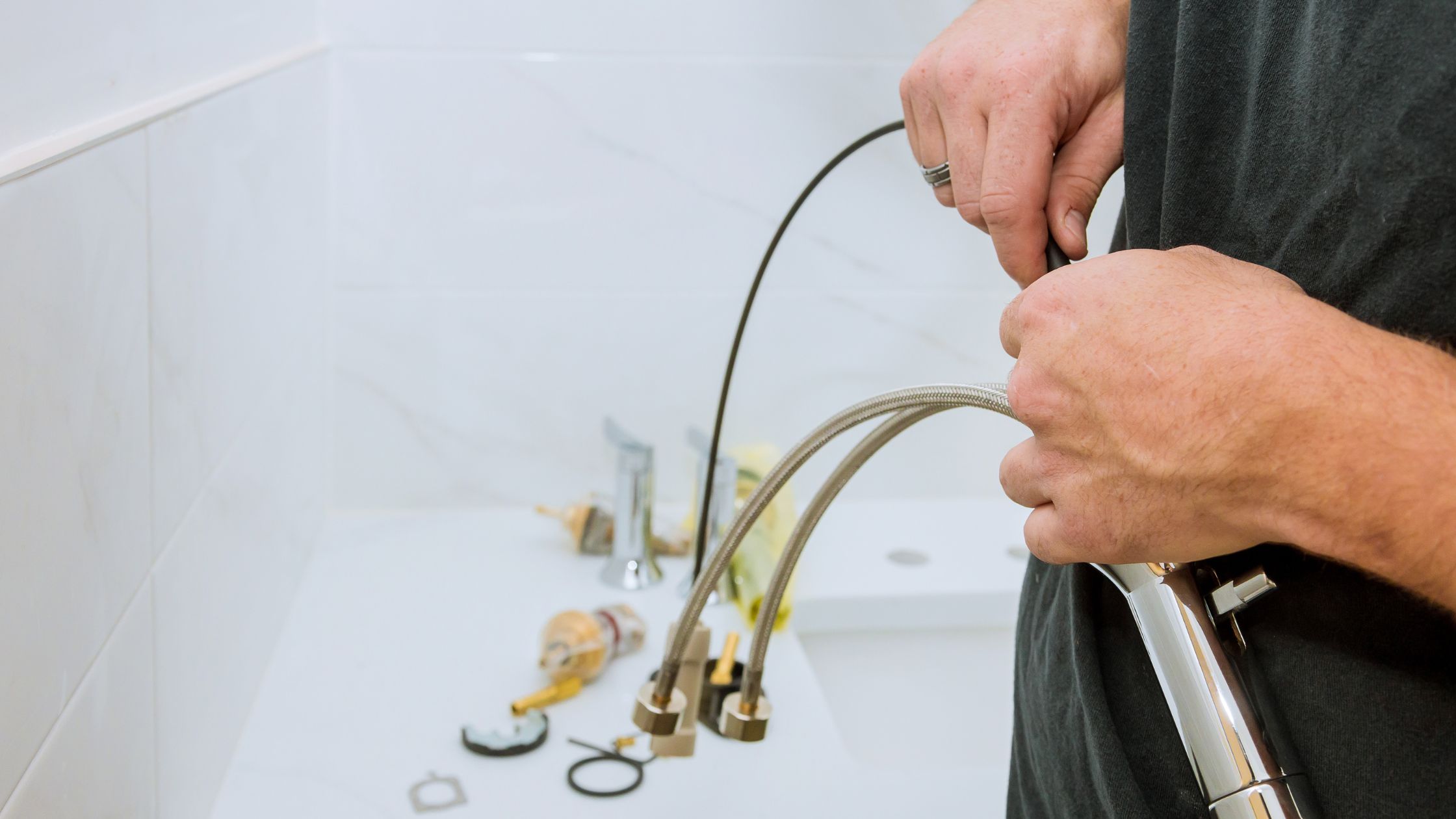
Then contact a plumber to identify and repair the source of the leak. Depending on the severity and timing, an emergency intervention may be necessary. Our 7-day-a-week emergency intervention service responds quickly in Paris and the inner suburbs. To assess whether your situation requires immediate action, see our article on when to call an emergency plumber.
Identifying the Source of the Water Damage
Once the emergency has passed, you need to understand where the water is coming from, because repairing without addressing the cause is pointless. Some sources are obvious: a washing machine hose that burst, a broken bathtub seal, a leaking radiator. Others are more insidious, such as a buried pipe leaking behind a wall with no visible signs at first. In that case, a professional leak detection becomes necessary.
Hidden leaks are particularly treacherous because they can run for a long time before being detected, causing significant structural damage. Our guide on detecting a hidden water leak helps you spot the early warning signs. And if a leak detection investigation is needed, our article on insurance coverage for leak detection explains the process.
Mistakes to Avoid
In the stress of the moment, certain reactions make the situation worse. Here are the main ones to avoid:
Trying to repair a major leak yourself without first shutting off the water.
Touching an electrical appliance or outlet that is in water.
Cleaning up and discarding evidence before photographing the damage.
Waiting to alert the neighbors, letting water spread without their knowledge.
Neglecting to dry the materials, which promotes mold growth later on.
Keeping these pitfalls in mind helps you get through the incident without making it worse. The golden rule remains the same: shut off first, think second, and call a professional for the underlying repair.
Prevention Rather Than Reaction
The best water damage is the one that never happens. Many incidents originate from a known weakness that was ignored: an aging flexible hose, a worn seal, a fitting that had been seeping quietly for months. Regular inspection of your water points and visible connections, along with a pre-winter check, significantly reduces the risk. Our pre-winter plumbing checklist compiles these preventive steps.
Before an extended absence, especially during vacations, shut off the water to eliminate any risk of damage while you're away. We detail these precautions in our article on shutting off water before winter holidays. A well-maintained and monitored home experiences far fewer unpleasant surprises.
After the Damage: The Importance of Drying
Once the leak is stopped and the water removed, the job isn't over. Drying the materials is a crucial step that is too often overlooked. Moisture trapped inside a wall, floor, or partition encourages mold growth, degrades materials, and can cause persistent odors. Incomplete drying turns a one-time incident into a lasting problem.
Ventilate the affected rooms thoroughly, use dehumidifiers if needed, and allow the structures to dry deeply—which can take several days or even weeks depending on the extent. In serious cases, a professional measures the residual moisture level and advises on the steps to take. Do not cover or repaint a surface until it is completely dry, or you risk trapping the moisture inside.
Water Damage and Liability: Key Principles
The question of liability and coverage arises quickly after water damage, especially in an apartment building. The general principle is that the source of the leak determines who is responsible. A leak originating from your private installations falls under your responsibility and your insurance, while a leak from common areas involves the condominium association.
In practice, matters are settled between the insurers of the parties involved, often through a convention that simplifies the process. What matters on your end is to have properly documented the incident and filed your claim within the deadlines. Our article on water damage in a Paris apartment details these principles and helps you understand your situation.
Building a Strong Insurance File
A well-prepared file speeds up compensation and avoids disputes. Gather the photos and videos taken at the time of the incident, invoices for damaged items if you have them, the plumber's report or invoice, and if applicable, the leak detection report. The more complete your file, the smoother the process.
Also keep a written record of your exchanges with neighbors, the property manager, and the insurer. If a leak detection investigation is needed to locate the source, be aware that it may be covered under your policy. Our article on leak detection and insurance coverage provides a clear overview of this often misunderstood topic.
The Amicable Water Damage Report
When water damage involves multiple units, one document greatly simplifies the process: the amicable water damage report. Filled out jointly by the parties involved—for example, you and your downstairs neighbor—it describes the circumstances, the source, and the damage. It plays a role similar to a car accident report and serves as the basis for the insurers' handling of the claim.
Fill it out calmly, describing the facts precisely without trying to minimize or exaggerate. Attach your photos and observations. A clear and honest report speeds up compensation and prevents later disagreements between neighbors. In a condominium, notifying the property manager and sending them a copy is also good practice that smooths the overall process.
What is the very first thing to do in case of water damage?
Shut off the water supply. As long as water is flowing, the situation worsens. Go to your main shut-off valve and close it before doing anything else, then cut the electricity in the area if water is approaching it.
Should I notify my insurance immediately?
Report the incident to your insurer within the deadlines specified in your policy, typically a few days. In the immediate term, focus on shutting off the water, protecting your belongings, and taking photos—these will be needed for your claim.
Who pays for repairs in a condominium?
It depends on the source of the leak: private installations or common areas. The matter is resolved with the property manager and the relevant insurers. Our dedicated article on water damage in condominiums details the various scenarios.
Should you wait for the plumber before cleaning up?
Photograph and film all damage first, then you can start mopping up and protecting your belongings without waiting. However, do not attempt to repair the source of the leak yourself: leave the diagnosis and repair to the professional to avoid making the situation worse.
In Summary
When water damage strikes, the first five minutes are decisive: shut off the water, cut the electricity if needed, protect and contain, alert your neighbors, document and call a professional. These reflexes, applied calmly and in order, considerably limit the scale of the damage. Identifying the source of the leak and repairing it permanently afterward prevents it from happening again.
Dealing with water damage or need to locate a leak? Reseau Tubulure responds in Paris and the inner suburbs, 7 days a week, to stop the leak and make repairs. Contact us without delay.
Contact Réseau Tubulure
Need a plumber or air conditioning specialist in Paris? Réseau Tubulure responds quickly throughout Paris and Île-de-France.