

Embedded Pipe That Leaks: How to Locate It Without Breaking Everything
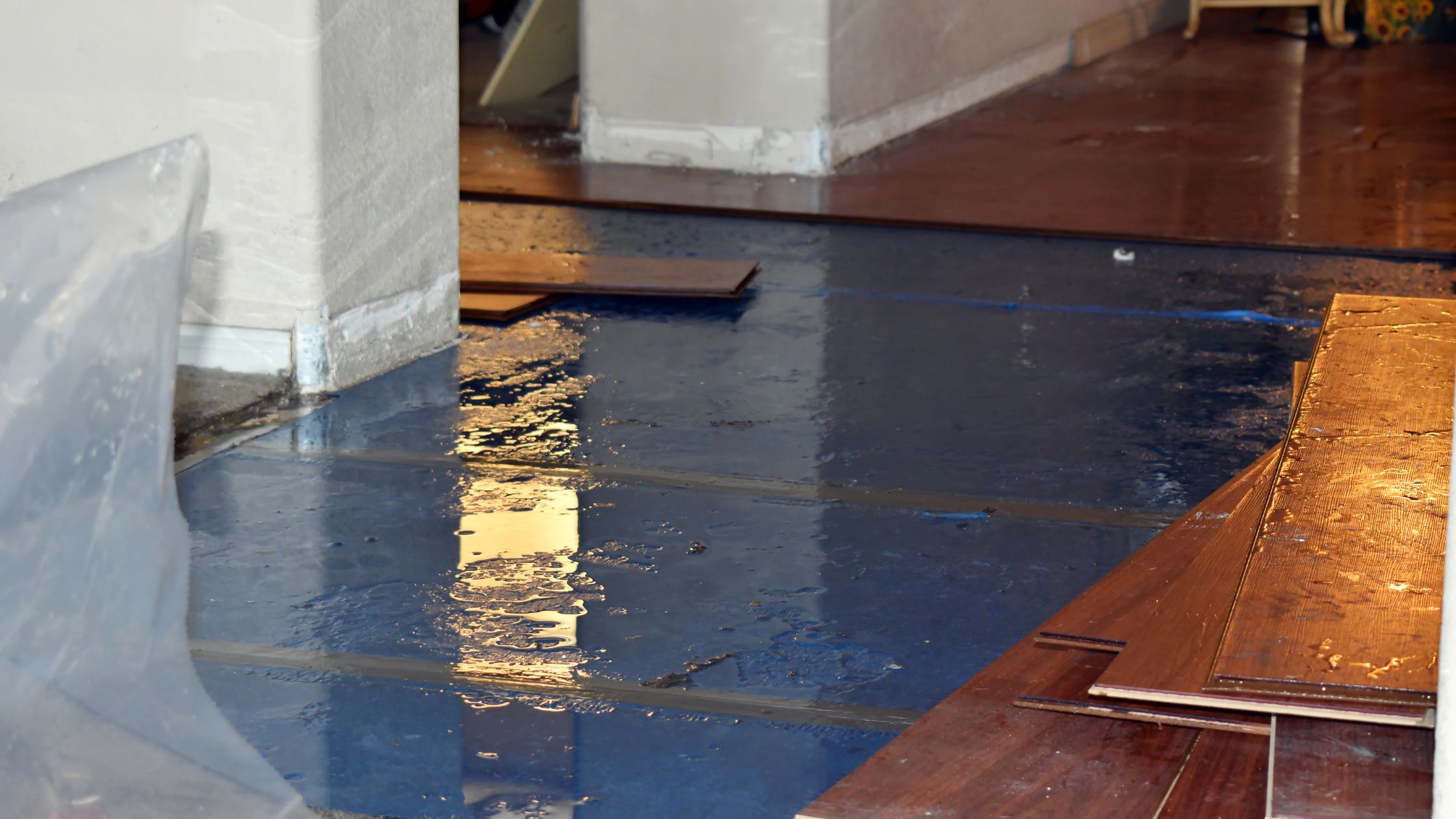
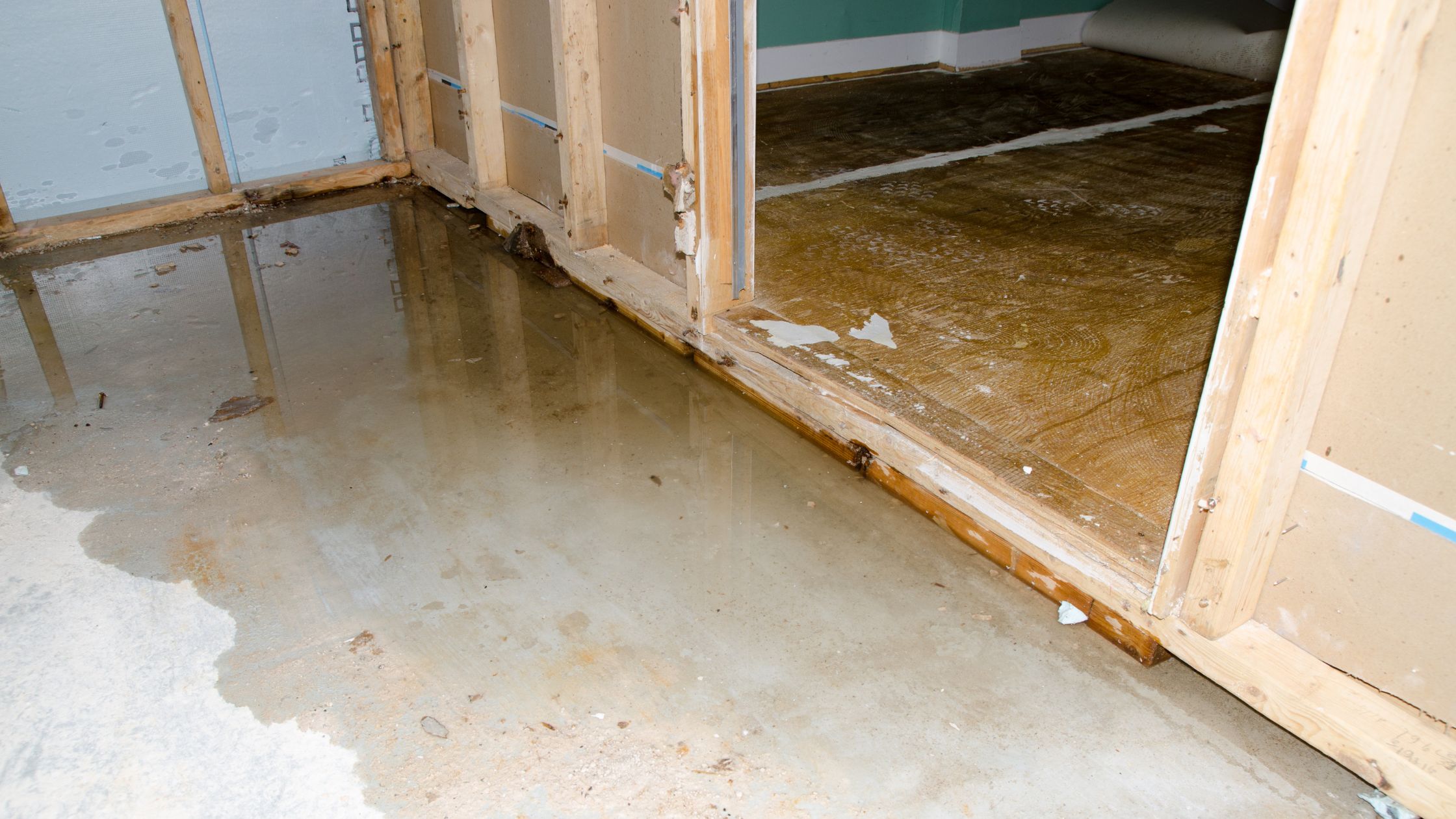
A ring spreading across a wall, tiling swelling imperceptibly, a damp smell persisting with no visible cause: these discreet signs often betray an embedded pipe that leaks, hidden behind a partition, under a screed or in an inaccessible service duct. Faced with this type of invisible leak, many owners' first reflex is the fear of having to break everything to locate then repair the problem. This guide explains why that fear is now largely outdated.
An embedded pipe that leaks is never treated by simple intuition or a random test. The precision of the diagnosis directly determines the extent of the work that follows: the more precise the location, the more targeted and limited the repair intervention remains.
Why an embedded pipe is particularly delicate
Unlike a leak on an exposed pipe, visible and immediately accessible, an embedded pipe is by definition concealed within the home's structure: inside a load-bearing wall or partition, under bathroom tiling, in a concrete screed, or in a shared service duct. This concealment considerably complicates locating a leak, all the more so as the occupant generally has no precise idea of the exact route of their own pipes.
Moreover, water escaping from an embedded pipe does not necessarily follow a simple vertical path to the point where it becomes visible. It can travel horizontally along a material, follow the slope of a screed, or seep several metres before re-emerging. The visible point of the damage therefore does not always correspond to the real location of the leak, which makes any empirical location attempt risky and potentially destructive.
The signs that should alert you
Several clues, sometimes discreet, should draw your attention even before visible damage clearly appears:
A damp patch or ring appearing progressively on a wall or ceiling, with no apparent origin.
Tiling coming loose or sounding hollow in places, a sign of damp seeping under the covering.
A persistent musty smell in a room, with no visible trace of damp to explain it.
An unexplained rise in your water bill, when no visible leak is observed.
A sound of running water perceptible in a wall or floor, in the absence of any water use.
If you recognise several of these signs, our article on how to detect a hidden water leak details the meter test method, a simple first check confirming the presence of an active leak.
The professional non-destructive location techniques
The good news is that professionals today have a set of techniques allowing an embedded leak to be located with remarkable precision, without needing to probe at random or demolish large portions of wall or floor.
The thermal camera
This tool detects temperature variations on the surface of a wall or floor, invisible to the naked eye. A water leak, hot or cold, creates a characteristic thermal signature that the camera reveals immediately, allowing the area to explore to be circumscribed precisely.
Tracer gas
This method consists of injecting into the pipe a harmless gas undetectable by smell, which rises through the materials to the surface at the exact location of the leak. A specialised detector then spots this gas to within a few centimetres.
Acoustic listening
A pressurised leak produces a characteristic noise, often imperceptible to the human ear but detectable by sensitive electronic listening equipment. This technique, particularly effective on buried pipes or those under a slab, allows the noise trail to be followed to its point of maximum intensity.
The moisture meter
This device precisely measures the moisture level in a material, allowing the real extent of an infiltration to be mapped and distinguishing a merely damp area from one directly affected by the active leak.
How a detection intervention unfolds
Faced with a suspected embedded leak, a professional generally follows a progressive and non-destructive approach. They begin with a full visual inspection of the area concerned. They then confirm the presence of an active leak using the meter test, before deploying the detection techniques best suited to the precise configuration of your home.
This combination of methods generally allows the leak area to be circumscribed to a reduced surface before any wall or floor opening. Only this precisely identified area is then subject to a targeted opening, rather than an extensive demolition carried out blind.
The repair once the leak is located
Once the area is precisely identified, the repair varies according to the exact nature of the damage and the general condition of the pipe concerned. A simple faulty fitting can be repaired locally, whereas a pipe whose condition reveals generalised fragility may justify a wider replacement.
Our article on replacing lead or cast iron pipes details this option for the oldest networks. In any case, making good the wall, tiling or screed generally forms part of the overall service, to be specified explicitly in the quote.
The role of insurance in this type of claim
A leak on an embedded pipe, particularly when it has caused visible damage, generally falls under coverage by your home insurance. The leak search itself is often covered by a specific guarantee in many policies, which noticeably lightens the cost of this diagnostic step.
Our article on the cost of leak detection and its reimbursement by insurance details the usual conditions. Always keep the detailed intervention report, essential to support your claim.
Tenant or owner: who covers it
If you are a tenant and observe the signs of an embedded leak, report them without delay to your landlord, as the diagnosis and repair generally fall to their responsibility. A quick and documented report, with photos if possible, greatly facilitates the coverage and limits the worsening of the damage.
In both cases, never leave a suspected embedded leak unaddressed for several weeks: the more the damp progresses through the structure, the heavier the making-good work becomes.
An older home more exposed
Older Parisian homes, part of whose network is several decades old, present an increased risk of embedded leaks, notably where pipes are still made of lead or galvanised steel. These ageing networks deserve particular attention, especially if you are considering renovation work that could be an opportunity for preventive replacement.
Frequently asked questions
Do you really have to break a wall to repair an embedded pipe?
Thanks to modern detection techniques, the opening area needed is generally limited to a small and precisely targeted surface. Breaking through remains necessary to physically access the pipe, but it is minimised thanks to a precise prior diagnosis.
How long does detecting an embedded leak take?
A detection intervention is generally carried out in half a day to a full day, depending on the complexity of the configuration and the number of techniques needed.
Is leak detection systematically reimbursed?
It depends on the precise terms of your home insurance policy. Many policies include a leak search guarantee, but conditions and ceilings vary. Check your policy before the intervention if possible.
In summary
An embedded pipe that leaks no longer systematically means an extensive demolition of your home. Modern detection techniques, thermal camera, tracer gas, acoustic listening and moisture metering, allow the leak to be located precisely before any opening. Faced with the signs of an invisible leak, a quick professional diagnosis limits the damage and the final cost.
Reseau Tubulure carries out precise, non-destructive leak searches in Paris and the inner suburbs, with a detailed report after each intervention. Contact us to locate your leak.
Contact Réseau Tubulure
Need a plumber or air conditioning specialist in Paris? Réseau Tubulure responds quickly throughout Paris and Île-de-France.