

How Old Is My Water Heater? How to Find Its Age and Plan Ahead
You moved into your Parisian apartment a few years ago and never really thought about your water heater. But knowing its age is crucial: an ageing unit consumes more energy, leaks more easily, and can fail without warning — often on a Friday night or Sunday morning. This article explains how to find your unit’s manufacture date, what that means for your comfort, and how to plan a replacement before disaster strikes.
Why Your Water Heater’s Age Matters
An electric water heater has an average lifespan of 10 to 15 years, sometimes less in areas with hard water like Paris and the Île-de-France region. Beyond 10 years, the risk of failure increases significantly. The heating element gets scaled, the anode rod wears out, and the tank can start corroding from the inside.
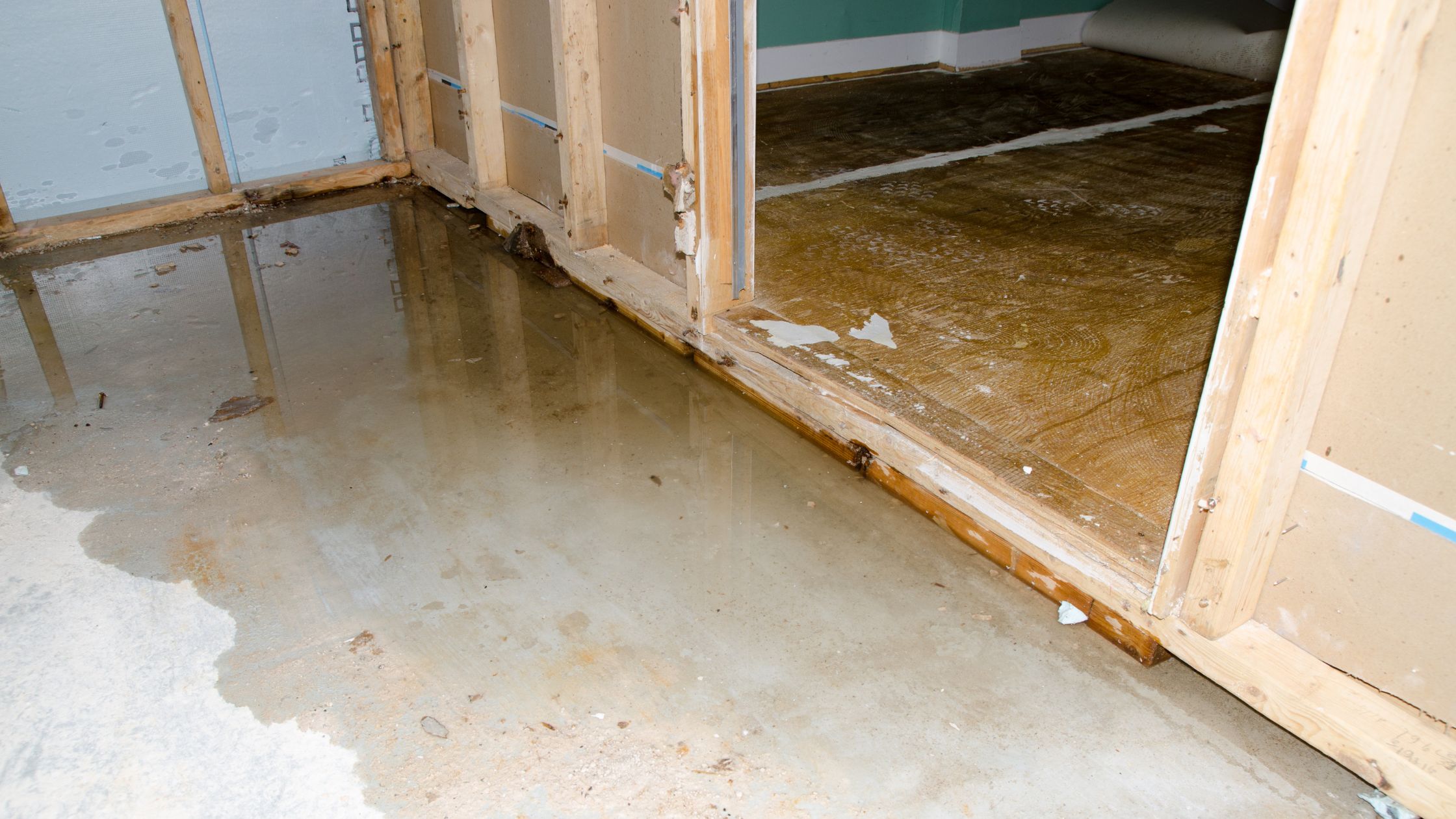
The consequences of an ageing water heater go beyond a complete breakdown: higher electricity consumption, lukewarm water, unpleasant odours, and leaks. In a Parisian apartment, a water heater leak can quickly cause water damage affecting downstairs neighbours — with all the insurance and co-ownership complications that follow.
How to Find Your Water Heater’s Age in 3 Steps
1. Check the Rating Plate
Start by looking for the unit’s rating plate, usually located on the side or bottom of the tank. It contains the serial number, brand, capacity in litres, and — most importantly — the manufacture date.
The date can be shown in different formats depending on the brand:
- A full date like “10/2014” meaning October 2014
- A numeric code embedded in the serial number: the first 4 digits often indicate the year and week of manufacture (e.g. “1437” = week 37 of 2014)
- A letter code corresponding to a production year, specific to each manufacturer
If the plate is illegible or missing — common in rental apartments — move on to step 2.
2. Contact the Manufacturer with the Serial Number
Major water heater brands (Atlantic, Thermor, Ariston, Chaffoteaux, Stiebel Eltron...) can retrieve the manufacture date from the serial number alone. A simple email or phone call to customer service usually does the job within 48 hours — and it’s free.
3. Check Your Property Documents
If you have documents from when you moved in or bought the property, look for the maintenance log, installation manual, old plumber invoices, or the energy performance certificate (EPC). These often mention the installation date of appliances.
What to Do Depending on Your Water Heater’s Age
Under 7 Years: Preventive Maintenance
Your unit is still young. The main risk at this stage is limescale, which is particularly heavy in Parisian water. Consider having the magnesium anode rod checked and replaced every 2 to 3 years — a small intervention that significantly extends the unit’s lifespan.
You can also partially drain the tank once a year to flush out limescale deposits that accumulate at the bottom. This is done via the drain valve at the base of the unit.
Between 7 and 12 Years: Active Monitoring
This is the caution zone. Your water heater is still working, but it’s time to watch it closely. Monitor the water temperature (is it as hot as before?), the safety valve (is it dripping outside heating cycles?), the base of the tank (any signs of moisture or rust?), and your electricity consumption (unexplained increase?).
From 10 years onwards, we recommend budgeting for a replacement — even if the unit is still working. Planned replacement is always cheaper and less stressful than an emergency call-out.
Over 12 Years: Plan the Replacement
A water heater over 12 years old is statistically close to end of life. Even without visible failure, the heating element is likely scaled and the anode exhausted. In Paris, hard water accelerates this wear considerably.
Which Replacement Water Heater to Choose?
- Electric storage water heater (tank): the most common solution in Paris, easy to install, suitable for apartments without gas. Recommended capacity: 100L for 1-2 people, 150-200L for 3-4 people.
- Thermodynamic water heater: up to 3 times more energy-efficient than a standard tank, but requires space and adequate ventilation — not always suitable for small Parisian apartments.
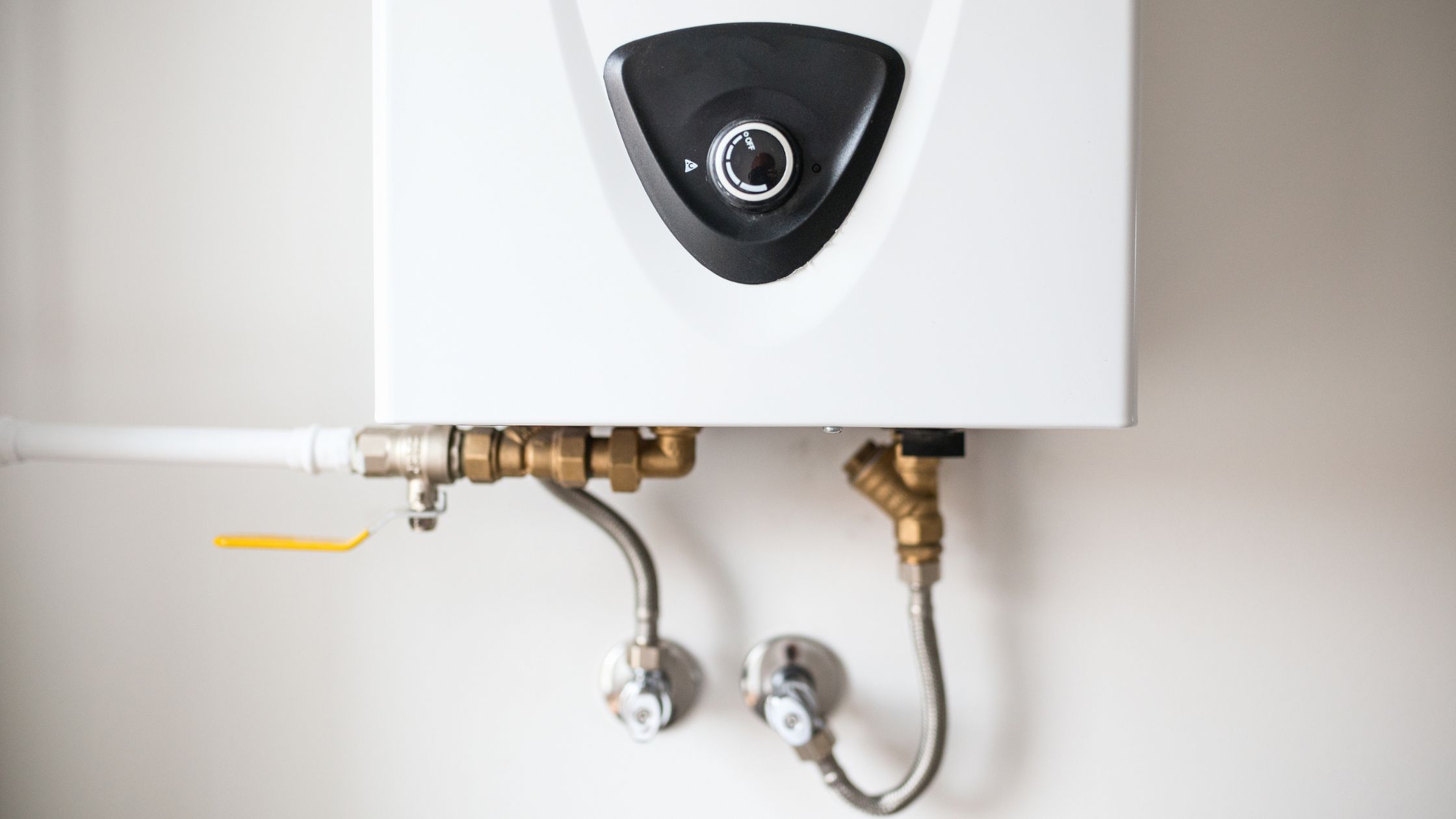
- Instant gas water heater: compact and efficient if your apartment has a gas supply, ideal for studios.
Our plumbers will advise you on the right model for your home and install it quickly, with a clear upfront quote.
Common Mistakes to Avoid
- Waiting for a complete breakdown: planned replacement is always cheaper and less stressful
- Choosing the wrong capacity for your actual consumption
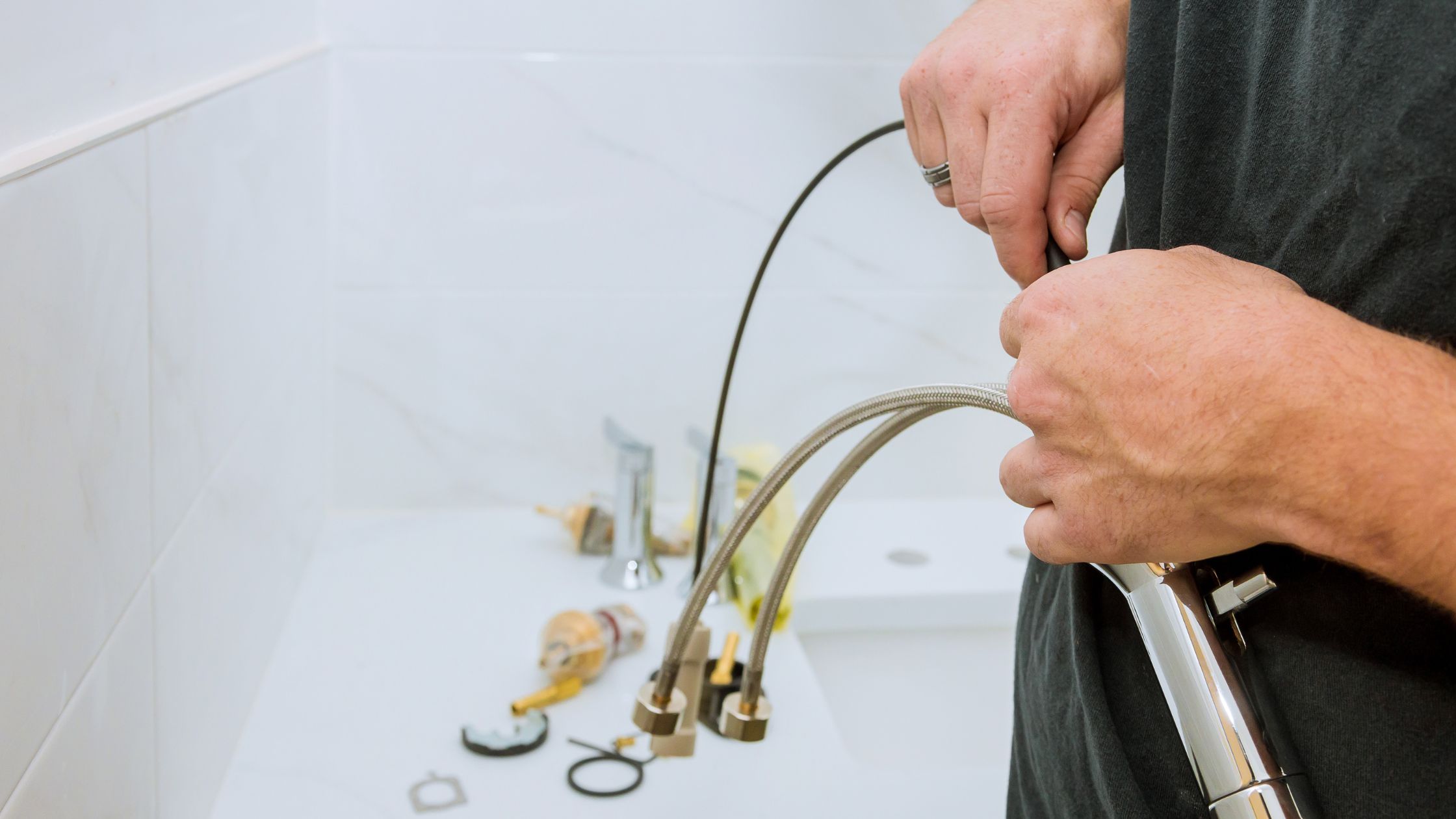
- Using an unqualified installer: a poor connection can cause leaks or void your warranty
- Forgetting to replace the safety valve when installing a new tank
- Leaving the old supply hose in place: replace it at the same time
How Réseau Tubulure Can Help
- Contact us via the website or WhatsApp with a few details about your current unit
- We send you a clear, detailed quote within 24 hours — no hidden call-out fees
- One of our craftsmen comes to you, often the same day, with the right equipment
- You receive a before/after photo report and a professional invoice for your insurer