

Riser pipe in a Paris building: common problems and responsibilities
In Paris buildings, riser pipes are at the heart of many plumbing disputes and incidents. Low visibility but essential, they distribute water to all apartments. Understanding their function, the problems they generate and who is responsible will help you react effectively in case of an incident.
What is a riser pipe?
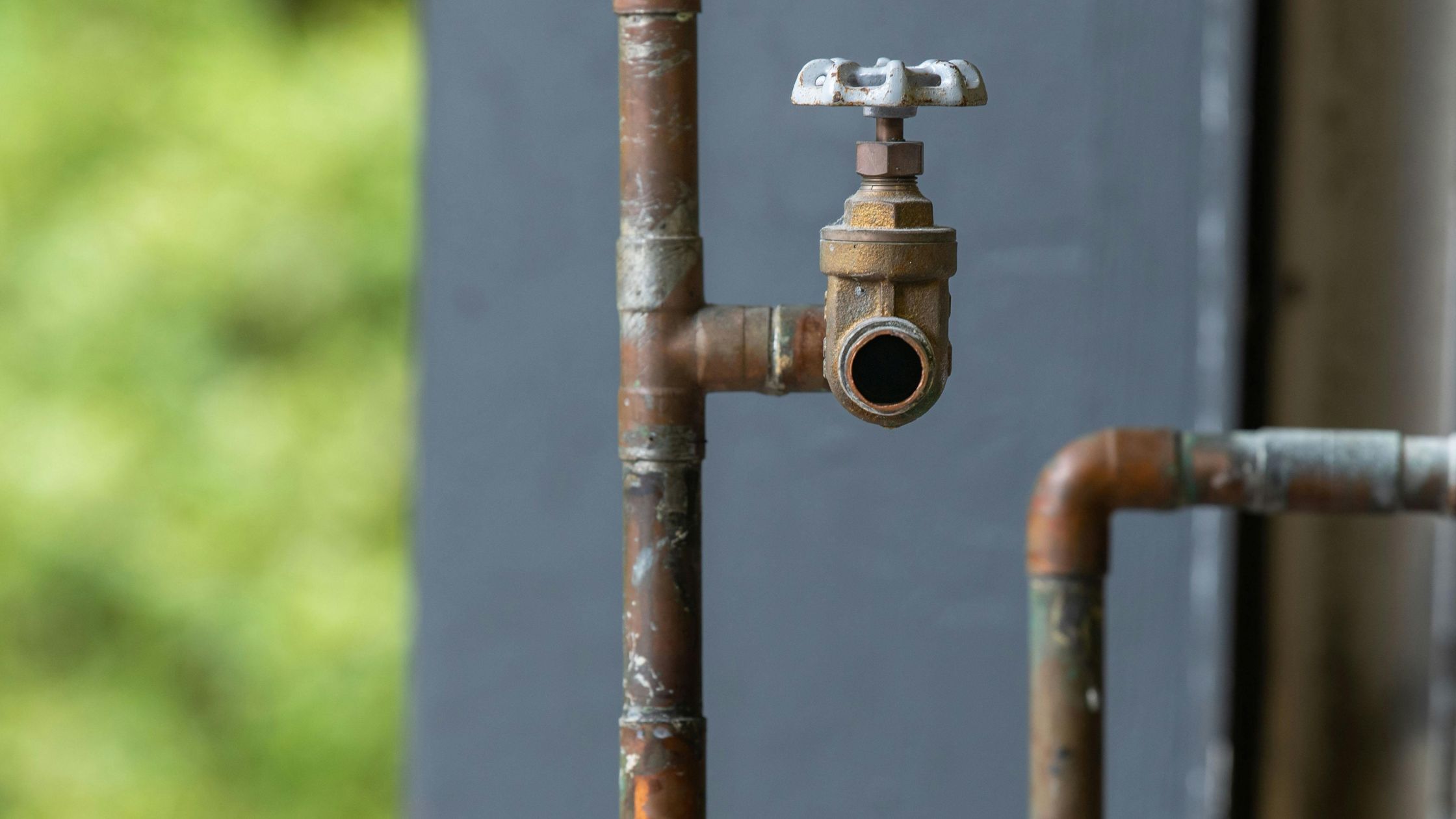
A riser pipe is a vertical pipe running through the building from cellar to top floor. It supplies each apartment or landing with cold water, hot water (in buildings with collective production), or gas. In Haussmann-era Paris buildings, some riser pipes are several decades old, even more than a century.
- Cold water riser: supplies apartments with drinking water
- Hot water riser: present in buildings with collective hot water production
- Gas riser: supplies apartments with natural gas
- Waste stack: evacuates wastewater from all floors
Is the riser pipe a common or private area?
The main riser is a common area
The main section of the riser pipe, which passes through floors and common areas, is a common area. Its maintenance and repair fall under co-ownership and are therefore the responsibility of the property manager.
Branches to apartments are private
From the branch point to your apartment (generally at the landing level or at the entrance to your home), the piping becomes private. Any leak or failure on this portion is your responsibility.
Grey areas
In practice, the border between common and private areas is not always clearly identifiable. In case of doubt, a plumbing diagnosis by a qualified technician allows precise identification of the origin of the problem.
The most frequent riser pipe problems
Corrosion and leaks
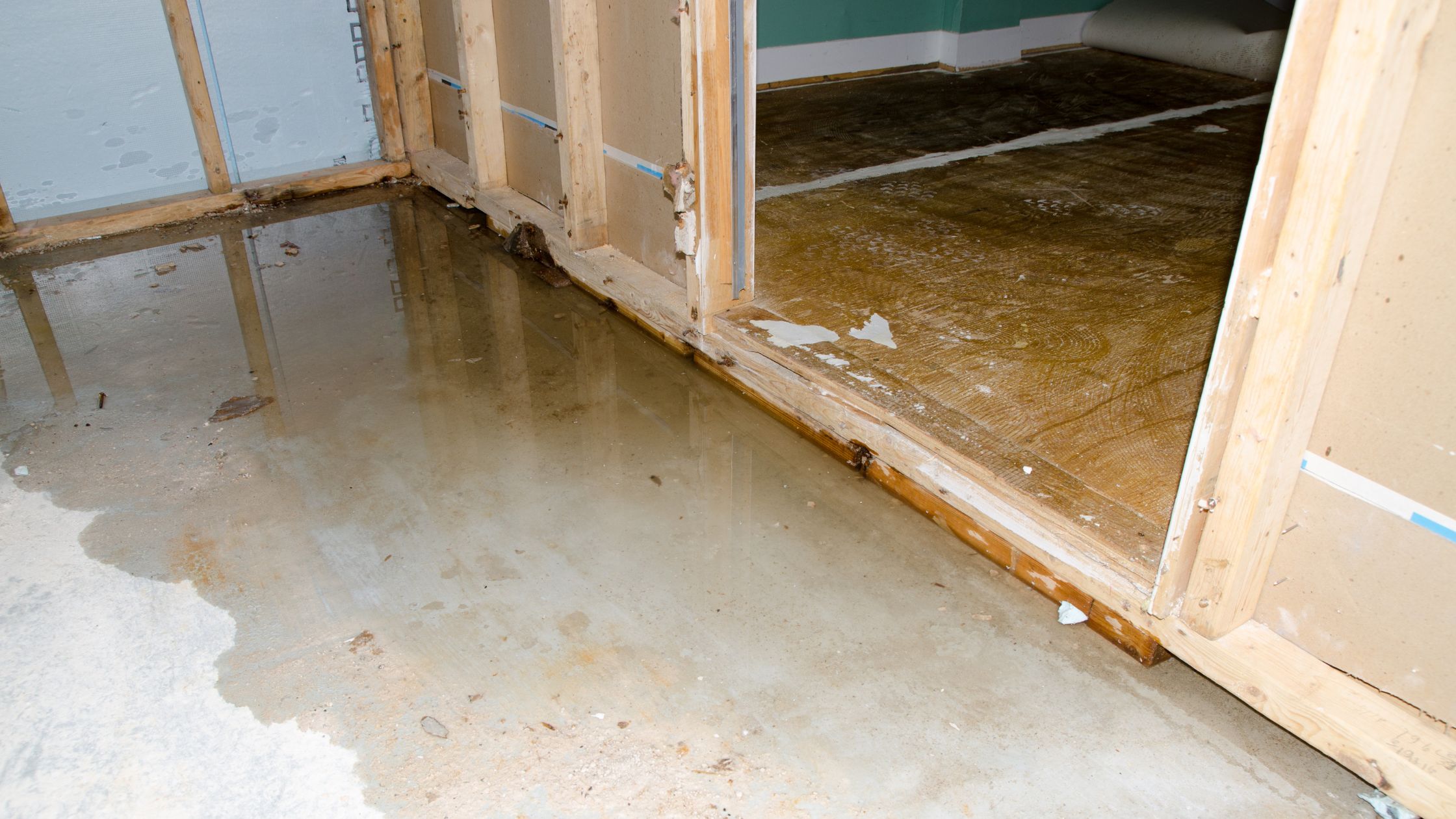
Lead or galvanised steel riser pipes, common in older buildings, are particularly prone to corrosion. A corroded pipe may show occasional leaks or progressive pressure loss. In severe cases, it can burst suddenly.
Limescale deposits and pressure loss
Paris water is very hard. Over the years, scale deposits reduce the internal diameter of pipes and decrease available pressure on upper floors.
Leaks at connection points
Connection points (tappings) between the main riser and the branches to each apartment are weak zones. A worn seal, loose fitting or localised corrosion can cause a leak.
Problems on gas risers
A leak on a gas riser is an absolute emergency. If you smell gas in common areas or your apartment, evacuate immediately, do not use any electrical switch, and call the gas emergency number (0800 47 33 33, accessible 24/7).
Noises in the pipes
Banging, whistling or hammering noises in pipes (water hammer) are often linked to pressure issues, faulty valves or thermal expansion.
Who is responsible in case of leak?
Leak on the main riser: co-ownership responsibility
Contact your property manager immediately. They are required to dispatch a qualified plumber as soon as possible. If the leak causes damage in your apartment, the co-ownership insurance covers repairs in common areas and damages to affected co-owners.
Leak on private branch: owner responsibility
If the leak is after the branch point, it is up to you (or your home insurance) to cover repairs. Call a plumber quickly to limit damage.
Role of the property manager
- Dispatch an emergency plumber if the situation presents an immediate risk
- Organise a complete diagnosis if recurring problems are reported
- Submit replacement or renovation work to the general assembly vote
- Ensure follow-up and acceptance of work
If your property manager does not react to a proven problem on a common riser pipe, you can issue a formal notice by registered letter and, in case of persistent inaction, refer to the summary judge.
Riser pipe replacement: when and how?
Signs indicating that replacement is necessary:
- Recurring leaks on the same pipe despite repairs
- Lead or galvanised steel pipe over 50 years old
- Insufficient pressure on upper floors with no other explanation
- Coloured water or carrying iron particles
Frequently asked questions
How do I know if my riser pipe is made of lead?
Lead pipes are grey, soft and tarnish quickly. If your building was built before 1948, it is likely that some pipes are still lead. A plumbing diagnosis confirms the material nature.
Are riser pipe works deductible from rental charges?
Common area work, including riser pipes, is not recoverable from the tenant. It is the exclusive responsibility of the co-ownership and therefore the owner via their co-ownership charges.
Can I cut off the riser pipe water myself?
The main valve of the riser is generally in the cellar or in a common technical room. Its operation affects all apartments supplied by this pipe. Outside an absolute emergency, any shutoff must be coordinated with the property manager and concerned residents.