

Hot Water Tank Failure: Diagnosis and First Reflexes (Part 1)
png.avif)
Wake up suddenly: the water in your shower stays ice cold. Your hot water tank is giving up, and in a Parisian apartment, it's impossible to ignore it, you need hot water and fast!. Before you panic and call urgently, take five minutes to understand what's going on. Most breakdowns have simple causes, and some can be resolved in a few steps. Here's how to identify your outage and when you should definitely call a plumber.
The 4 Most Common Breakdowns
Outage 1 - No Hot Water At All
Symptoms: The water runs cold all the time, even after waiting for 6-8 hours. The hot water faucet is working, but the water is still ice cold.
Common electrical causes:
The circuit breaker went off. Check your electrical panel: is the circuit breaker dedicated to the water heater (generally 20A) in the low position? Pull it up. If it jumps again immediately, don't insist: you have a dangerous short circuit that requires urgent intervention.
The Thermostat is faulty. It no longer detects the temperature and never starts heating. The tank remains cold at all times, even if the power supply is functioning normally.
La Resistance is burnt out or so scaly that it no longer heats up. In Paris, with hard water (25-30°F), an armored resistor is scaled in 3-4 years without descaling. Trapped in limestone, it overheats and ends up burning.
The Off-peak switch is blocked. If your EDF subscription includes off-peak hours, a contactor programs the heating at night. If it gets stuck in the “off” position, the balloon never heats up.
Simple tests:
- Check the electrical panel (circuit breaker in the high position)
- If off-peak hours: manually force the switch to position “1” for 2 hours
- Touch the ball: if it is lukewarm at the bottom, the resistance works. If it is cold everywhere, electrical failure is certain.
When to call mandatory: circuit breaker that resounds, cold tank after 24 hours, or if you do not know how to handle the contactor. Never play with electricity: 220V + water = mortal danger.
Outage #2 - Warm Water Only (Never Hot)
Symptoms: The water is not cold, but it never exceeds 35-40°C. Impossible to take a comfortable shower.
Common causes:
Unadjusted or faulty thermostat: If it is set too low (by mistake) or aging, the resistance stops before reaching 55-60°C. Sometimes a simple adjustment is enough. Sometimes the thermostat is too old and displays “60°C” while the water is at 40°C.
Partially clogged resistance: It is still heating up, but with 30% of its power. The water rises to 40°C and then stagnates. Common on 8-10 year-old balloons that have never been descaled in Paris. The limestone layer insulates the resistance, as if you were heating a pot with a tea towel between the plate and the bottom.
Undersized balloon: you are 3 people with a 100L. The first shower exhausts 40L, the second 40L, the third only has lukewarm water (residual mixture + cold water). It's not a technical failure, it's a capacity problem.
Solution: thermostat adjustment if accessible, descale if old flask, or space out showers. If the problem persists, the thermostat or the flask should be replaced.
Breakdown #3 - Balloon Flight
Types of leaks and their severity:
The safety group drips during heating: a few drops for 30-60 minutes is normal. The water expands as it heats up, the pressure increases, the group removes the excess. A siphon must collect this water.
The security group is constantly fleeing: The water flows even when the balloon is cold. The group is scaly or defective. Relative urgency: you are wasting water and risking overpressure. Replacement required quickly, ideally within 48 hours.
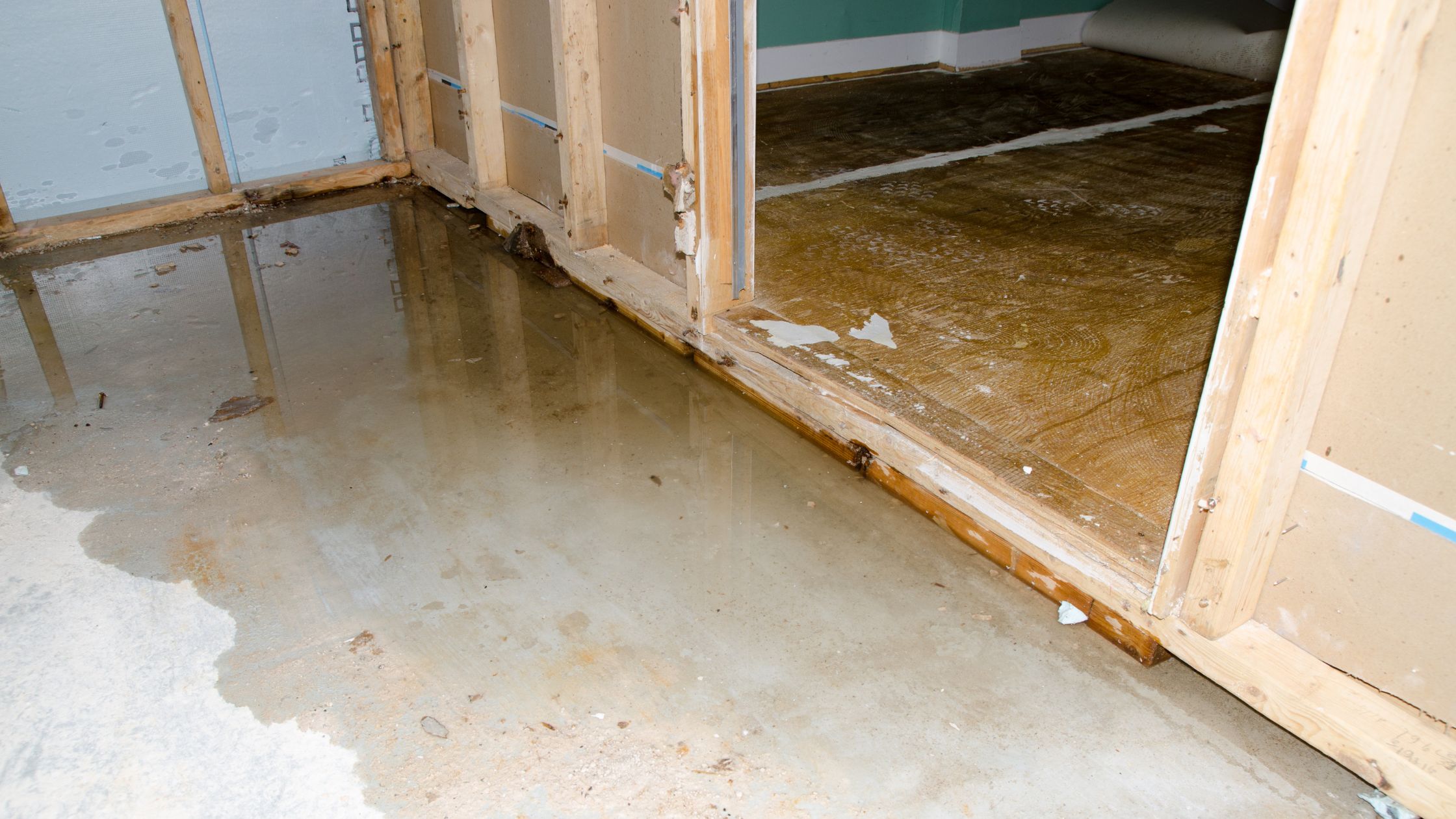
Leak at the level of the connections: a joint has aged, a connection has become loose. Puddle on the ground under the ball. Simple repair, 1 hour of intervention. Medium emergency if a slow leak, strong emergency if important (risk of water damage to your neighbors below).
Leak from the tank itself: water that oozes directly from the wall of the flask. The tank is pierced by corrosion. Irreparable. Mandatory replacement, ideally within 48 hours before worsening.
Immediate actions in the event of a major leak:
- Switch off the cold water supply to the flask (tap under the flask)
- Switch off the electricity (dedicated circuit breaker)
- Place containers under the leak
- Tell your neighbors below if building
- Call a plumber urgently
For quick intervention, consult our guide Emergency Water Heater Repair in Paris.
Fault #4 - Abnormal noises
A quiet ball is a healthy ball. If it makes noise, it alerts you.
Repeated dry snaps: the resistance is scaled up. The accumulated limestone (several millimeters) heats up suddenly, expands, and peels off in plaques. Each detachment produces a snap. This is a sign of advanced scaling. If you don't take action, the resistance will break eventually.
High pitched whistles: too high pressure in the circuit. The safety unit or pressure reducer is faulty. Overpressure tires all joints and can cause a sudden leak.
Bubbling: the scaled resistance causes the water to boil locally (100° C. on contact) instead of heating gradually. Huge overconsumption (up to 30% more) and risk of imminent breakage.
Recommended action: urgent descaling. The longer you wait, the more the limestone hardens and the more delicate the intervention will be (risk of breaking the resistance during dismantling).
To learn more about preventive maintenance, see our Hot Water System Maintenance article.
Rapid Diagnosis: Identify Your Breakdown
Questions to Ask Yourself In Order
1. Is there hot water, even lukewarm?
- No, cold water → electrical problem (circuit breaker, thermostat, resistor)
- Yes, but only lukewarm → thermostat or partially scaled resistor
2. Is the water heater circuit breaker in the up position?
- No → reassemble it and wait 4-6 hours (full warm-up time)
- Yes → internal electrical failure
3. Do you have an off-peak switch?
- Yes → force in manual position “1" and wait 2 hours
- Hot tank → faulty contactor
- Balloon does not heat up → other electrical failure
4. Is there a visible leak?
- Safety group drop during heating → normal
- Permanent leak → HS safety unit or pierced tank
- No leak → electrical failure or scaling
5. Is the ball making an unusual noise?
- Clams → advanced scaling, urgent descaling
- Whistles → overpressure, check safety group
- Bubbling → very scaly resistance
6. Is hot water colored or smelly?
- Rust → corrosion tank, prepare for replacement
- Bad smell → bacteria, disinfection required
What You Can Check For Yourself
Electrical panel: Is the dedicated circuit breaker (20A) in the high position? If it jumps up immediately when you put it back up, don't do it again: dangerous short circuit.
Off-peak switch: small box near the circuit breaker with three positions: “0" (off), “auto” (programming), “1" (forced start). Switch to “1” for 2 hours and check if the balloon heats up.
Security group: under the ball, activate the small joystick. The water should flow freely. If nothing sinks, the group is scaled (to be replaced). If the water is constantly flowing without pressing the joystick, the unit is faulty.
Isolation faucets: under the flask, check that both taps (cold water and hot water) are open. A valve closed by mistake blocks everything.
Limits of amateur diagnosis: do not disassemble anything, do not open the electrical cover, do not touch any wires. Precise diagnosis requires a multimeter and electrical authorization. Let a professional do the talking.
When do you have to call a plumber
Absolute Emergency Situations
Circuit breaker that always jumps: electrical short circuit. Risk of fire or electric shock. Never rearm in a loop.
Significant tank leak: water that flows frankly. Risk of water damage to your neighbors. In a Parisian building, this type of repair can be very expensive and involve your insurance.
Burnt smell or blackened wires: immediate electrical hazard. First turn off the electricity, then the water and call a professional.
Sudden rusty water: advanced corrosion, the ball can drop suddenly.
Situations Requiring Rapid Response (24-48h)
No hot water for 24 hours: internal electrical failure (thermostat, resistor). You are losing your comfort and cannot diagnose yourself.
Security group that is constantly fleeing: wasting water and uncontrolled overpressure. Intervention within 48 hours recommended.
Recent abnormal noises: sign of impending failure. It is better to intervene before the complete breakage.
Why Not DIY Yourself
Electrical safety: 220V + water = electrocution. Plumbers have the necessary electrical authorization.
Precise diagnosis: thermostat or resistor? Exactly what room? A bad diagnosis = unnecessary expense.
Insurance: it does not cover damage caused by an unprofessional intervention. Water damage to neighbours can be expensive.
Guarantee: a “home” repair voids any remaining manufacturer's warranty.
Adapted parts: cheap parts purchased online may be of poor quality. A low-end thermostat at €15 lasts 2 years, a pro model at €60 lasts 8 years.
Emergency Actions While Waiting for the Plumber
In case of a leak
- Shut off the water supply of the ball (tap under the ball, turn clockwise)
- Shut off the electricity to the dedicated circuit breaker
- Place basins/mops Under the run
- Prevent neighbours from below Yes apartment
- Take photos For insurance in case of damage
- Call plumber In emergency
In the event of an electrical failure
- Do not reset the circuit breaker If he jumps again
- Touch the ball to check temperature (lukewarm = partial heating)
- Check contactor Off-peak hours if present
- Wait 6-8 hours after restarting before concluding
- Call if there is no improvement After 24 hours
Organize Your Daily Life
Heat water: stovetop pots for minimal toilet. Be careful with boiling water.
Shower elsewhere: friends, family, gym. Waiting for the repair.
Quick shower before intervention: If the plumber comes in 4 hours and there is some lukewarm water left, take advantage of it now.
How much does a repair cost?
Want to know how much it's going to cost you before you call? It is legitimate. Common hot water tank repairs in Paris are between 300 and 450€ depending on the type of failure.
To know everything about detailed prices, repair vs replacement decision criteria, and our transparent approach, see our complete article: Hot Water System Repair: Prices and Decisions.
There you will find:
- The precise cost of each type of repair
- Objective criteria for deciding to repair or replace
- The specificities of Parisian apartments
- Our transparent price list
Frequently asked questions
My balloon is 8 years old, is it normal for it to break down? Yes, breakdowns usually start after 7-8 years, especially if the flask has never been descaled. In Paris, calcareous water accelerates wear and tear. A well-maintained ball lasts 12-15 years.
Can I use water during the repair? Take a shower BEFORE the procedure if possible. During the repair, the water and electricity are cut off (1-3 hours depending on the outage).
What should I do if my balloon breaks down on a Sunday? Call an emergency plumber. We intervene 7 days a week for emergencies (major leak, no hot water at all). For a minor outage, you can wait until Monday.
How can we prevent it from happening again? Descaling every 3 years in Paris (mandatory with hard water), monthly safety group test, regular visual monitoring. Consult our Hot Water System Maintenance Guide.
Does the plumber bring the parts? Yes, professional plumbers have a stock of common parts (thermostats, safety groups, seals). For a specific resistance, he may need to order (delay 24-48 hours).
Is Your Balloon Broken? We Intervene Rapidly
You have identified your failure and you know that you need to call a professional? Réseau Tubulure operates in Paris and the inner suburbs within 24-48 hours (emergencies the same day).
Our approach:
- Transparent diagnosis with photo report
- Detailed estimate before intervention
- Honest advice: repair vs replacement
- Fair and clear prices (300-450 € depending on failure)
- Qualified plumbers, proud of their expertise
Areas of intervention: Paris intramural, Hauts-de-Seine (92), Seine-Saint-Denis (93), Val-de-Marne (94).
Need help now? Contact us on WhatsApp at 06.68.64.47.12 - Fast response guaranteed
✓ Intervention within 24-48 hours
✓ Emergencies treated the same day
✓ Free quote before any repair
✓ Systematic photo reporting
To know everything about prices and to make the right decision: see our detailed article Hot Water Tank Repair: Prices and Decisions.
Tubulure Network - Plumbers and proud of it. The proximity of a craftsman, the reliability of a network, the transparency of a partner.