

Hot Water Tank: The Most Common Breakdowns and How to Prevent Them
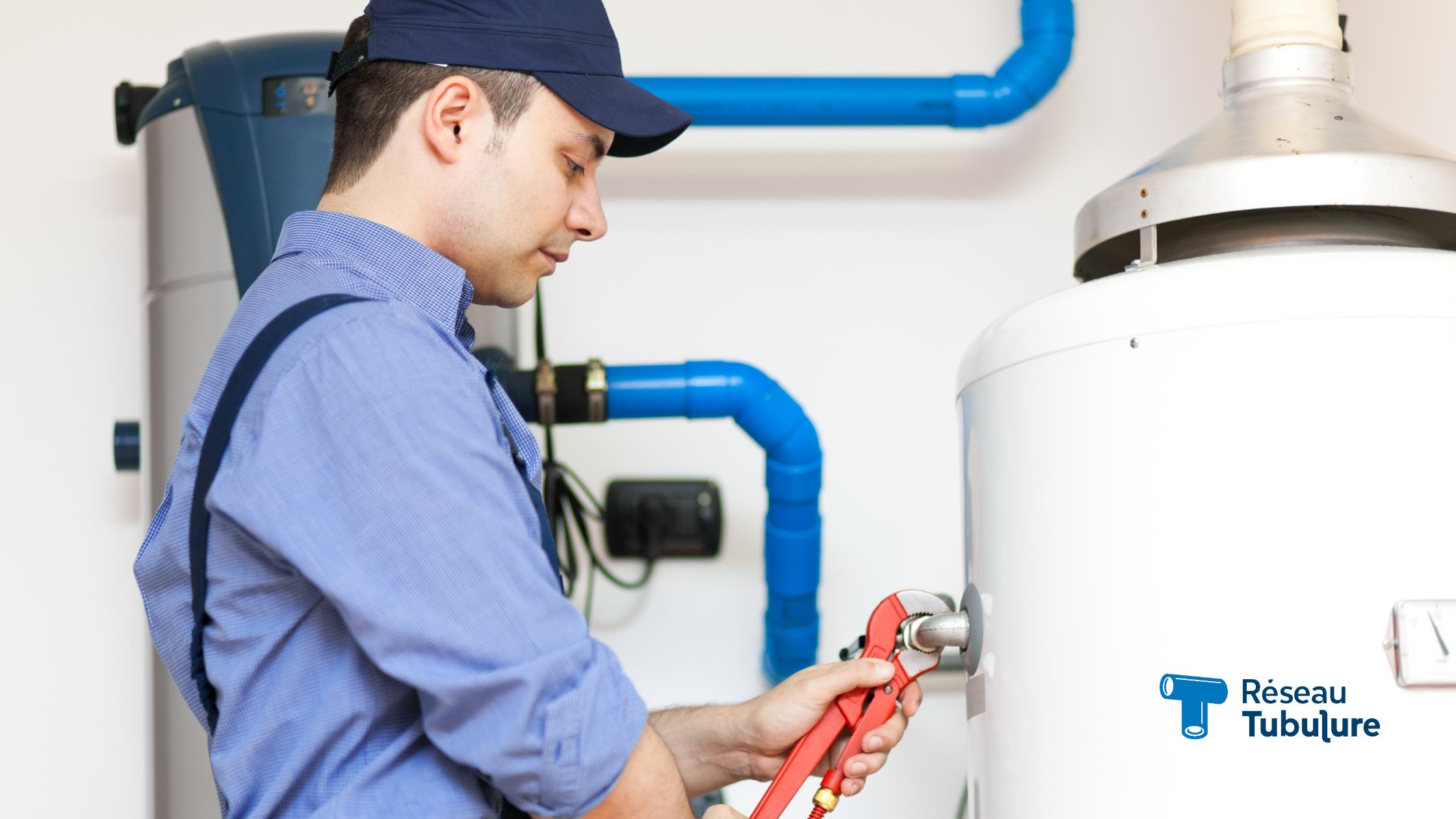
You turn on the faucet for your morning shower and... frozen surprise. The water is still desperately cold. Before you think about replacing your entire water heater (which a lot of unscrupulous convenience stores will suggest right away), know that most breakdowns are fixable.
In Paris, the hot water tanks suffer from two main ailments: very hard water and electrical wear. As experts plumber and heating engineer, we help you make the first diagnosis.
1. The Electrical Outage (The Thermostat)
It is the most common outage. Symptom: No more hot water at all, overnight, without any particular noise or leaks or blowing pellets.
- The culprit: The thermostat. It is the brain of the ball that tells the resistance to heat up. If it is HS, the resistance no longer receives the order.
- Thermal safety: Sometimes, the thermostat just went “safe” after overheating or a storm. Sometimes you just need to press a small red or black button with a pen tip to rearm it.
- The Tubulure Network solution: We test the thermostat with a multimeter. If it is dead, we replace it (standard part that we often have in stock).
Attention: Always check your electrical panel before calling us. Did the fuse blow? Does the day/night switch work? (Try to force it on).
2. The “Limestone” Panne (The Steatite vs Armored Resistance)
In Paris, the water is hard (TH greater than 30°F). Limestone is the silent enemy. Symptom: The water is lukewarm, it takes a very long time to heat up, or you have less hot water than before. You can sometimes hear snapping sounds (“glug”) during the warm-up.
- The problem: The resistance is literally trapped in a block of limestone. It heats the stone before it heats the water!
- Armored Resistance (Immersion Heater): It is in direct contact with water. She quickly builds up. To clean it, you have to empty the entire flask.
- Steatite resistance: It is protected in a scabbard. If it burns out, you can change it without draining the water. But the scabbard gets clogged.
15 tips to reduce your hot water bill in Paris
3. The Hydraulic Leak (The Tank or the Group)
Here, visual diagnosis is simple, but the consequences vary.
- Escape under the ball (Safety Group): If water is constantly flowing through the small plastic siphon under the flask, the safety group is scaled or faulty. It is a wear part that needs to be changed every 5 years. Moderate cost.
- Leak through the tank (Rust): If water is dripping through the bottom of the balloon jacket or through rust spots, that's bad news. The tank is pierced. There is no repair possible, the water heater must be replaced.
Repair or replace? Our expert advice
It's a question of trust.
- If your ball has under 7 : We prefer repair (thermostat, resistor or unit change).
- If your ball has over 10-12 years in Paris: Investing €300 in a repair is risky, because the tank can break through the following month due to corrosion. We will offer you a comparative estimate for a replacement with a more economical model (Thermodynamic Water Heater or ACI Hybrid model).
Preventive Maintenance: Don't Wait for a Breakdown
To avoid a cold shower, maintenance every 2 years is recommended in Paris:
- Draining and descaling the tank (10kg of limestone is sometimes removed!).
- Checking the anode (the part that protects the tank from corrosion).
- Maneuver the safety group once a month (do it yourself!)
Conclusion: The Responsiveness of a Network
A hot water outage is an emergency, especially with children. Réseau Tubulure intervenes quickly to diagnose the real failure. No forced sales, just the necessary repair.
Tubulure Network - Plumbers and proud of it!