

Active water leak: what to do in the first 10 minutes?
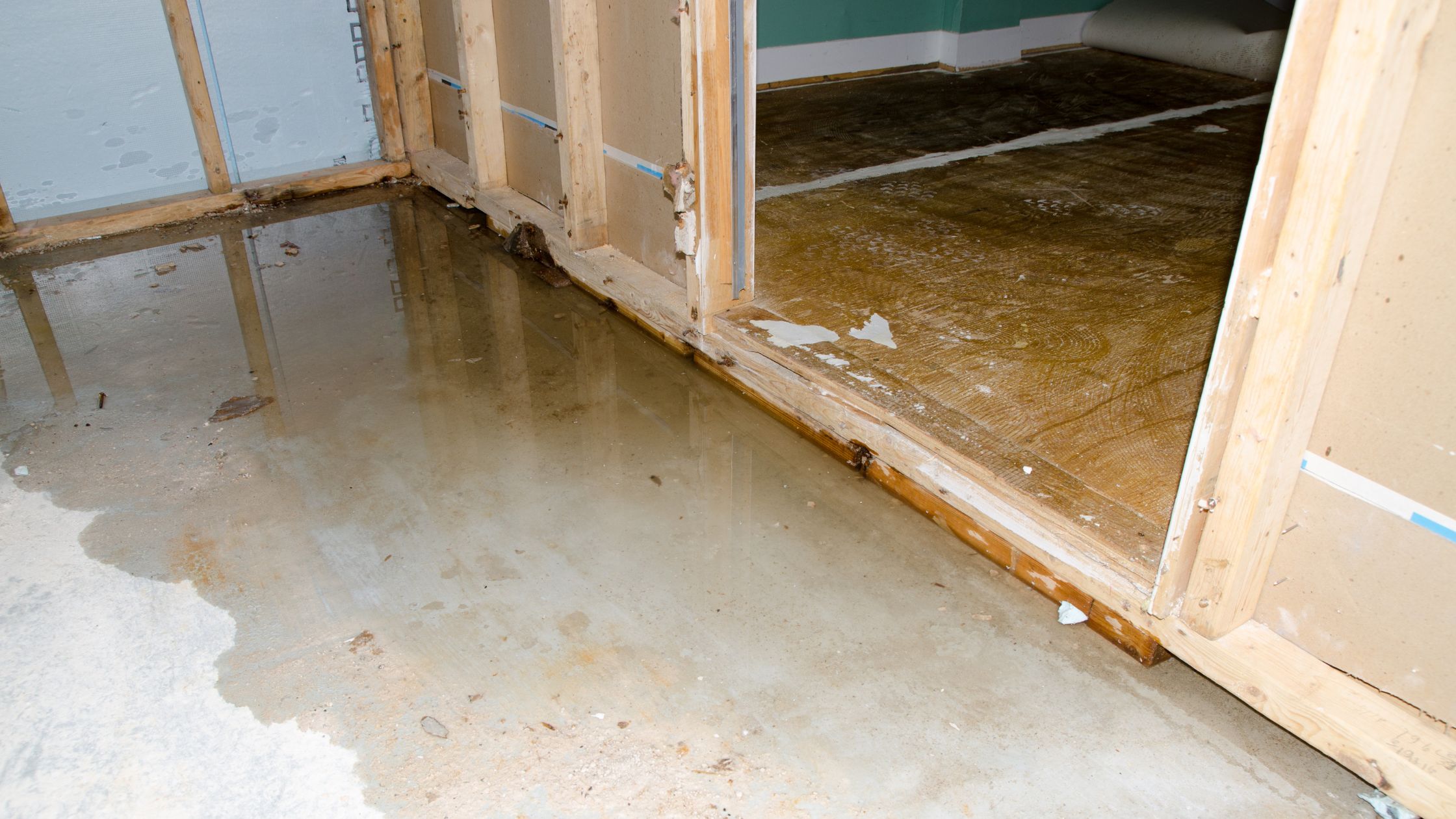
A water leak does not warn you. In a few minutes, water damage can ruin your floors, furniture, walls, and even reach the apartment below. The good news is that the first actions you take in the ten minutes following the discovery of a leak make all the difference.
Step 1 - Turn off water immediately
This is reflex number one. Before even looking for where the leak comes from, you must stop the water supply. Every second counts.
Where is your shut-off valve?
- Under the kitchen sink or in the cabinet below
- In the bathroom column or under the washbasin
- In a technical cupboard or at the entrance to the home
- In the cellar or in a common technical room of the building
Turn the valve clockwise until completely closed. If you have never operated this valve, it may be jammed. Do not force it at the risk of breaking it.
If you do not know the exact location of your valve, take 5 minutes today to find it. This information can save you during an emergency.
And if you are a tenant or in co-ownership?
As a tenant, you have the right and duty to turn off water in case of emergency. Inform your owner or agency immediately by SMS or email to trace the procedure.
If you live in a co-ownership and the leak seems to come from a common riser pipe, contact your property manager immediately. Responsibility for common areas belongs to the co-ownership, not you.
Step 2 - Limit damage before the plumber arrives
Protect your belongings and neighbours
Quickly move all water-sensitive objects: important documents, electronics, clothes, wooden furniture. If water has flowed on the floor and risks passing under the door to the landing, place towels to create a temporary barrier.
If the leak comes from the ceiling or a wall, place buckets under the dripping areas. Check if electrical sockets or light fixtures are near the flooded area. If so, turn off the corresponding circuit breaker.
Document the leak for your insurance
Before starting to mop up, take photos and videos of the situation. Film the leak source, visible damage, affected areas. These documents are essential for your claim declaration.
The claim declaration must be made within five working days following discovery of the water damage (legal deadline in France).
Step 3 - Identify the origin of the leak
Leak under sink or washbasin
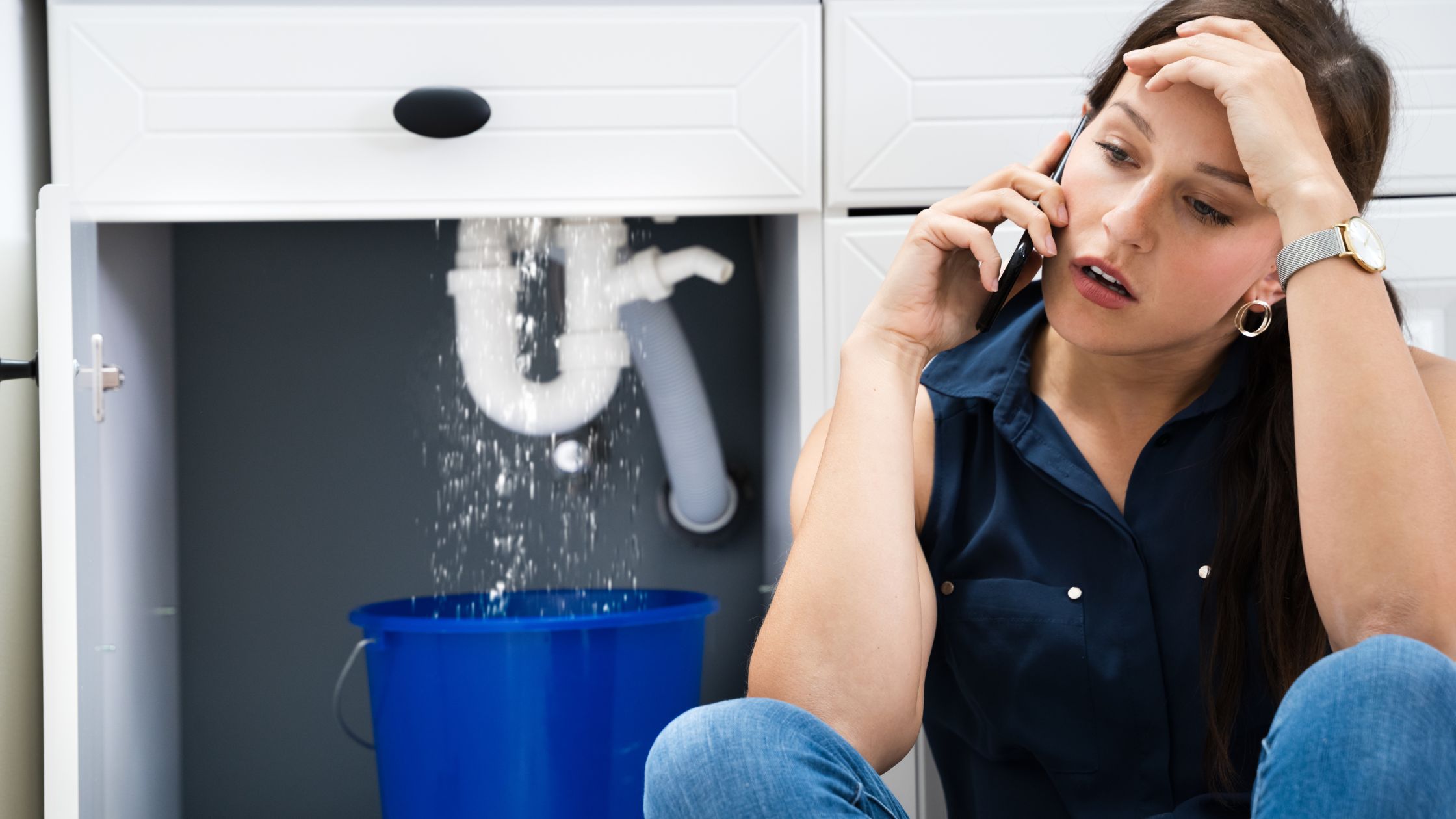
One of the most frequent leaks. Often comes from a worn seal, loose fitting or cracked trap. Open the cabinet under the sink and look for water, mould or limescale traces indicating an old leak.
Leak behind a wall or under the floor
The most difficult to detect. Signs to watch: a humidity stain spreading on a wall, persistent mould smell, swollen floor, or abnormally high water bill. A professional plumber has non-destructive detection equipment (endoscopic camera, acoustic detector, thermography).
Leak at water heater or boiler
If you see water at the foot of your water heater or boiler, turn off the appliance's cold water supply. For an electric water heater, also turn off the dedicated electrical supply.
Water leak at night or weekend: what to do?
Water leaks do not respect business hours. A leak on a Sunday evening can cause as much damage as a leak on Monday morning if not treated quickly. Reseau Tubulure intervenes in Paris and Ile-de-France every day, weekends and public holidays included.
Beware of plumbers who practice abusive prices during night emergencies. This is unfortunately a common phenomenon in Paris. Always check prices before confirming an intervention.
When to call a plumber urgently?
Call urgently if:
- Water continues to flow even after closing the shut-off valve
- The leak comes from a riser pipe or common area
- You see water-related electrical damage
- Water quickly invades several rooms
- Your downstairs neighbour reports an infiltration from your apartment
- The leak comes from a heating appliance (boiler, water heater)
You can wait for standard intervention if:
- The leak is localised, weak and water is turned off
- It is a tap dripping without immediate damage
- The leak does not affect common areas or neighbours
Frequently asked questions
Who pays in case of water damage between neighbours?
In co-ownership, responsibility depends on the origin of the leak. If from your place, your home insurance covers damage to your neighbour. If from common areas, the co-ownership is responsible.
Can the water of an entire building be cut in an emergency?
Yes, the general valve of the building, often in the cellar or ground floor technical room, allows cutting water for all apartments. This action is reserved for serious emergencies. Immediately inform the property manager and neighbours.
How to know if my leak is covered by my insurance?
Virtually all home insurance contracts include water damage coverage. Check your contract or call your insurer. Declare the claim within five working days of discovery.