

Water Leak in a Paris Co-owned Building: Who Calls, Who Pays, What to Do?

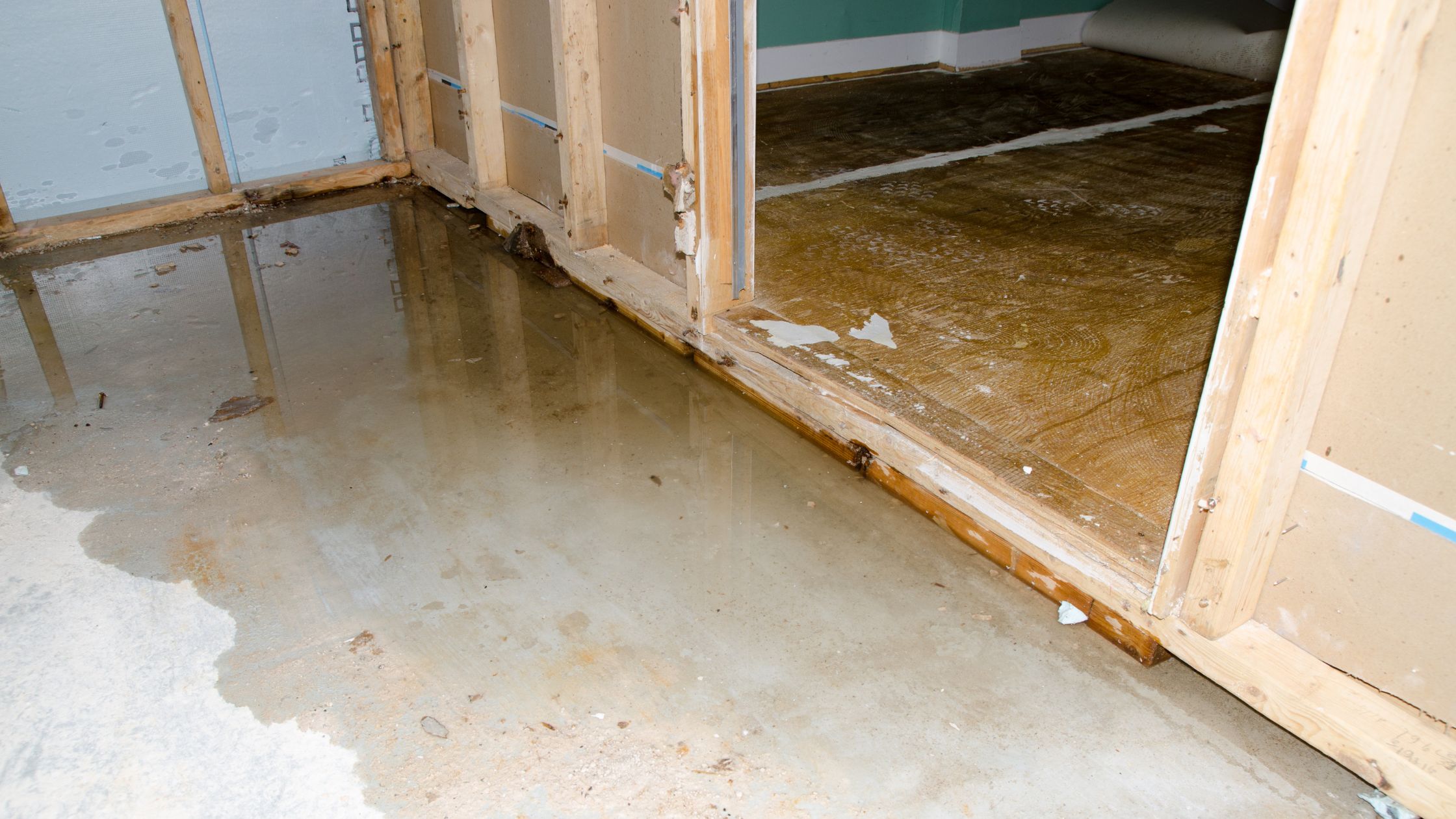
Water is dripping from your ceiling. Or there's a spreading damp patch visible from your downstairs neighbour's window. In a Paris apartment building, a leak almost never affects just one flat.
And that's where it gets complicated. Who calls the plumber? Who pays? What happens if the leak comes from a shared riser pipe or the roof?
This guide covers everything — responsibilities, procedures, and how Réseau Tubulure supports you throughout the process.
The three scenarios for a leak in a co-owned building
Scenario 1: The leak comes from your apartment
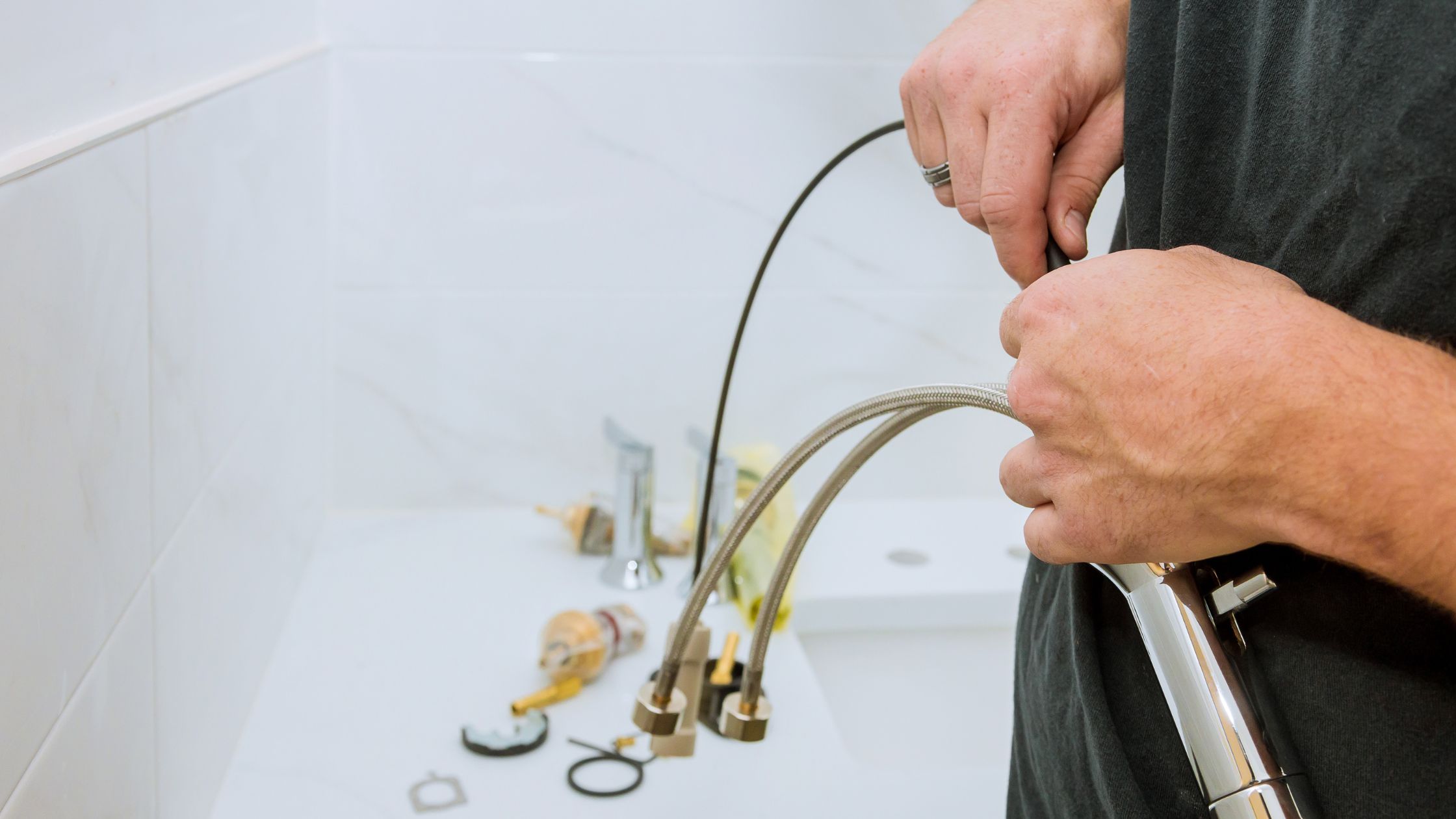
If the leak originates from an installation that belongs to you — a tap, a flexible hose, a pipe inside your walls — you are responsible. Your home insurance (water damage guarantee) covers the detection costs and the damage caused in your neighbour's flat.
Scenario 2: The leak comes from your neighbour's apartment
Your neighbour's home insurance must cover the damage they cause you. But for this to work, you need a technical report proving where the leak originates. You declare the claim to your own insurer, who then pursues your neighbour's insurer — this is the standard inter-insurer recourse process.
Scenario 3: The leak comes from shared areas
A leak on a shared riser pipe, the roof, or any other common element is the responsibility of the co-ownership (copropriété). The building manager (syndic) must arrange the intervention — and the co-ownership's insurance covers the cost. Report the leak to the syndic in writing as soon as possible.
Responsibility table
| Source of the leak | Who is responsible? | Who pays? |
|---|---|---|
| Tap, hose, toilet in your flat | You | Your home insurance |
| Installation in neighbour's flat | Your neighbour | Their home insurance |
| Shared riser pipe | Co-ownership syndic | Co-ownership insurance |
| Roof or common areas | Co-ownership syndic | Co-ownership insurance |
| Pipe in shared wall | To be determined by survey | Based on confirmed source |
The water damage procedure — step by step
1. Secure first
Close the water supply to your apartment if the leak comes from your flat. In an emergency, the building caretaker can cut the main supply for the whole building.
2. Document the damage
Take dated photos of all visible damage — ceiling, walls, flooring, furniture. These photos are essential for your insurance claim.
3. Notify your insurer within 5 working days
French law requires you to declare the claim to your insurer within 5 working days of discovering it. After this deadline, your insurer may refuse coverage. Declare even if you think your neighbour or the co-ownership is responsible.
4. Call a qualified plumber
For insurance to cover the costs, you need a technical report identifying the origin of the leak. Réseau Tubulure writes complete technical reports that insurers can use directly. Visit our leak detection service page for details.
5. Fill in a joint water damage report
If a neighbour is involved, complete a constat amiable dégâts des eaux (joint water damage report) with them. This document — similar to a car accident report — describes the origin, the damage, and the apparent responsibilities. Each party keeps a copy and sends it to their insurer.
The role of a certified plumber in the insurance process
What Réseau Tubulure does for you:
- Precise identification of the leak source — essential for determining responsibility
- Technical report with photos, exact location and nature of the fault
- Intervention certificate usable by your insurer or building manager
- Guidance on the correct procedure for your situation (owner, tenant, co-owner)
Tenant or owner: who calls the plumber?
If the leak comes from something you use (tap, washing machine hose, toilet seal): you call the plumber.
If the leak comes from a pipe that belongs to the owner (concealed pipes, main installation): inform your landlord. They arrange the plumber — and their non-occupant owner insurance (PNO) covers the cost.
In practice: call a plumber quickly regardless of who is responsible. The longer you wait, the more damage spreads. The question of who pays gets resolved afterwards, between the insurers.
Key takeaways
- Responsibility depends on where the leak comes from: your installation, a neighbour's, or the shared areas
- Declare the claim to your insurer within 5 working days — even if you're not responsible
- A technical report from a qualified plumber is essential for insurance coverage
- Complete a joint water damage report if a neighbour is involved
- Réseau Tubulure handles the report, the claim file, and the insurer process