

Property Managers in Paris: How to Handle Plumbing Emergencies in Common Areas

A leak in the third-floor hallway. A blocked drain in the courtyard. A communal boiler breaking down in the middle of winter. Plumbing emergencies in a Parisian building’s common areas are stressful situations that require a fast, coordinated, and well-documented response. Having a trusted contractor and knowing the right steps can make all the difference — in terms of damage prevented, costs controlled, and good relations with co-owners.
Here is a practical guide to handling these situations efficiently across Paris and the inner suburbs.
What Counts as Common Area Plumbing?
In a co-owned building, plumbing is divided between private units and common areas. Common area plumbing includes the rising mains (cold and hot water pipes running through the building), collective waste pipes, communal heating systems and their distribution networks, ground-level connections and inspection chambers, and technical rooms such as boiler rooms and meter cupboards.
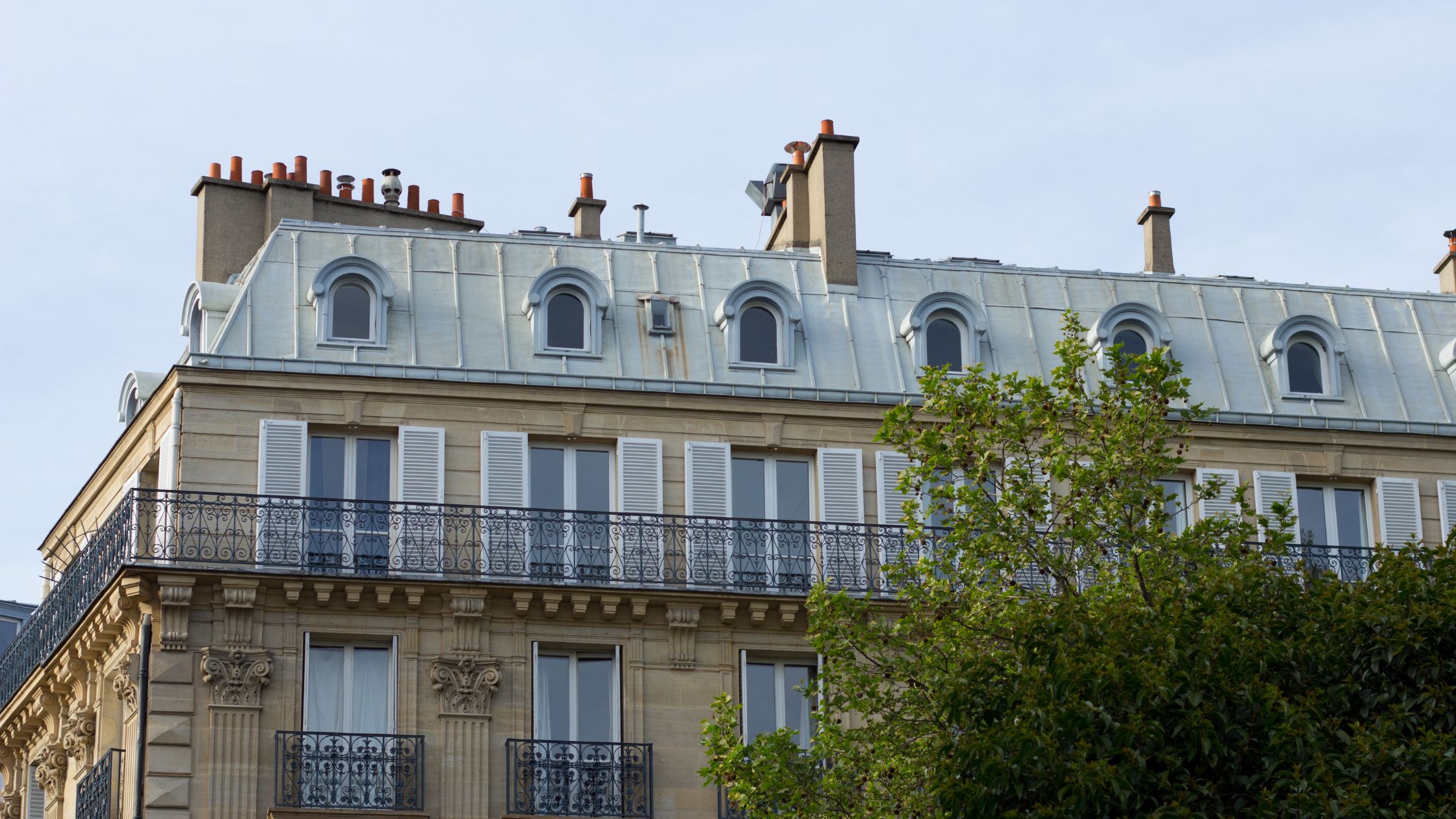
In Paris, Haussmann-era and pre-war buildings present specific challenges: ageing lead or cast-iron pipework, sometimes unstable water pressure, and complex access configurations. Every intervention in these buildings requires particular expertise.
The 5 First Steps in an Emergency
1. Shut Off the Water to the Affected Area
The absolute priority is to limit damage. In most Parisian buildings, each rising main has a shut-off valve at the base — usually in the basement or utility room. Identify these valves in advance and make sure your building manager or regular contractor knows where they are. A simple diagram posted in the utility room can save a weekend.
2. Assess the Extent of the Leak
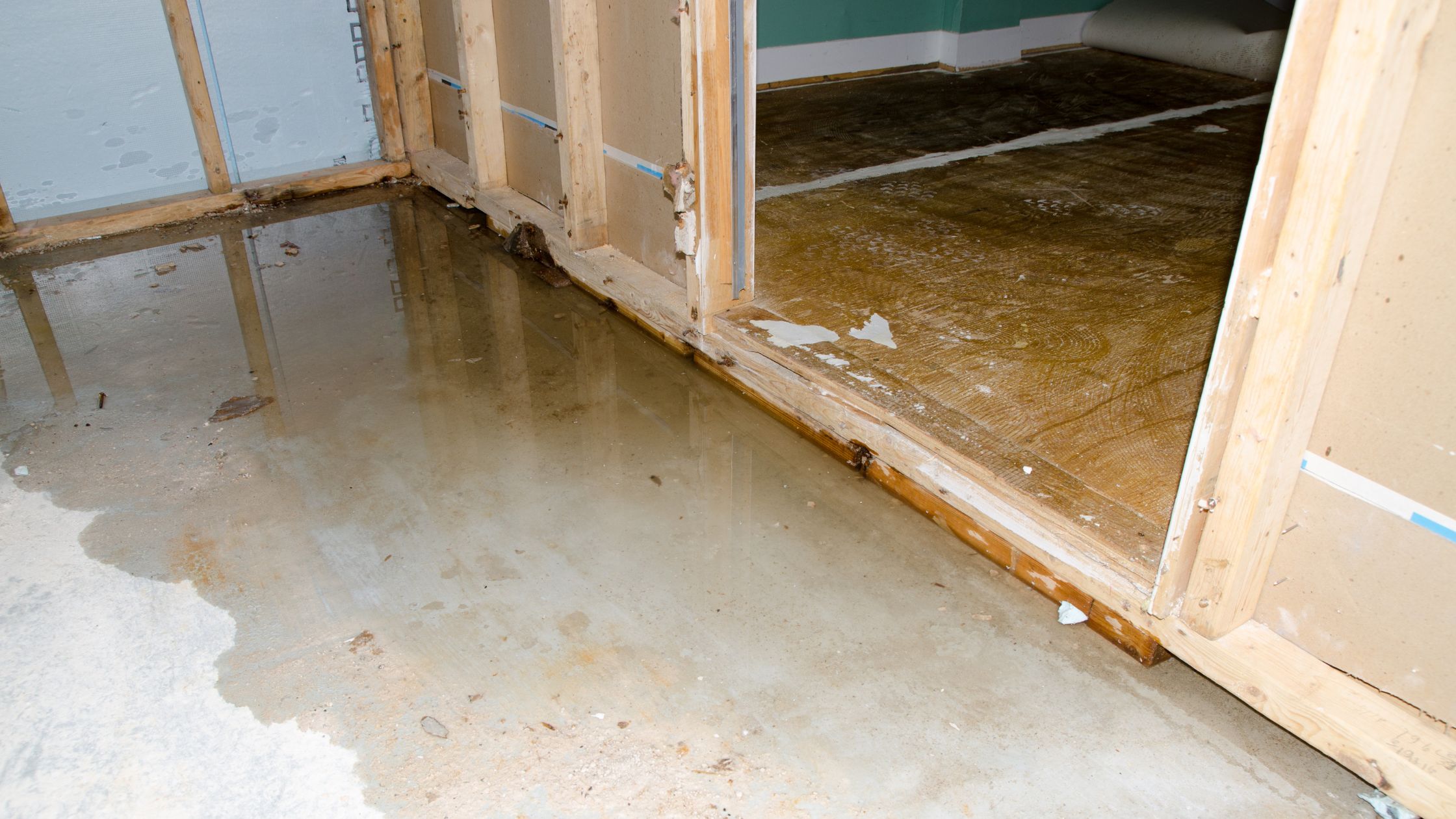
Is it a slow drip from a fitting? A burst pipe? A collective blockage? The nature of the problem determines the urgency and the type of professional to call. An active leak with running water requires intervention within the hour. Seepage can typically be handled within 24 to 48 hours. Photograph the situation immediately.
3. Inform the Affected Residents
Quickly notify the occupants of apartments that may be affected, particularly those below the leak. Clear, prompt communication — even a note in the entrance hall — prevents misunderstandings and complaints later. Keep a record of all communications.
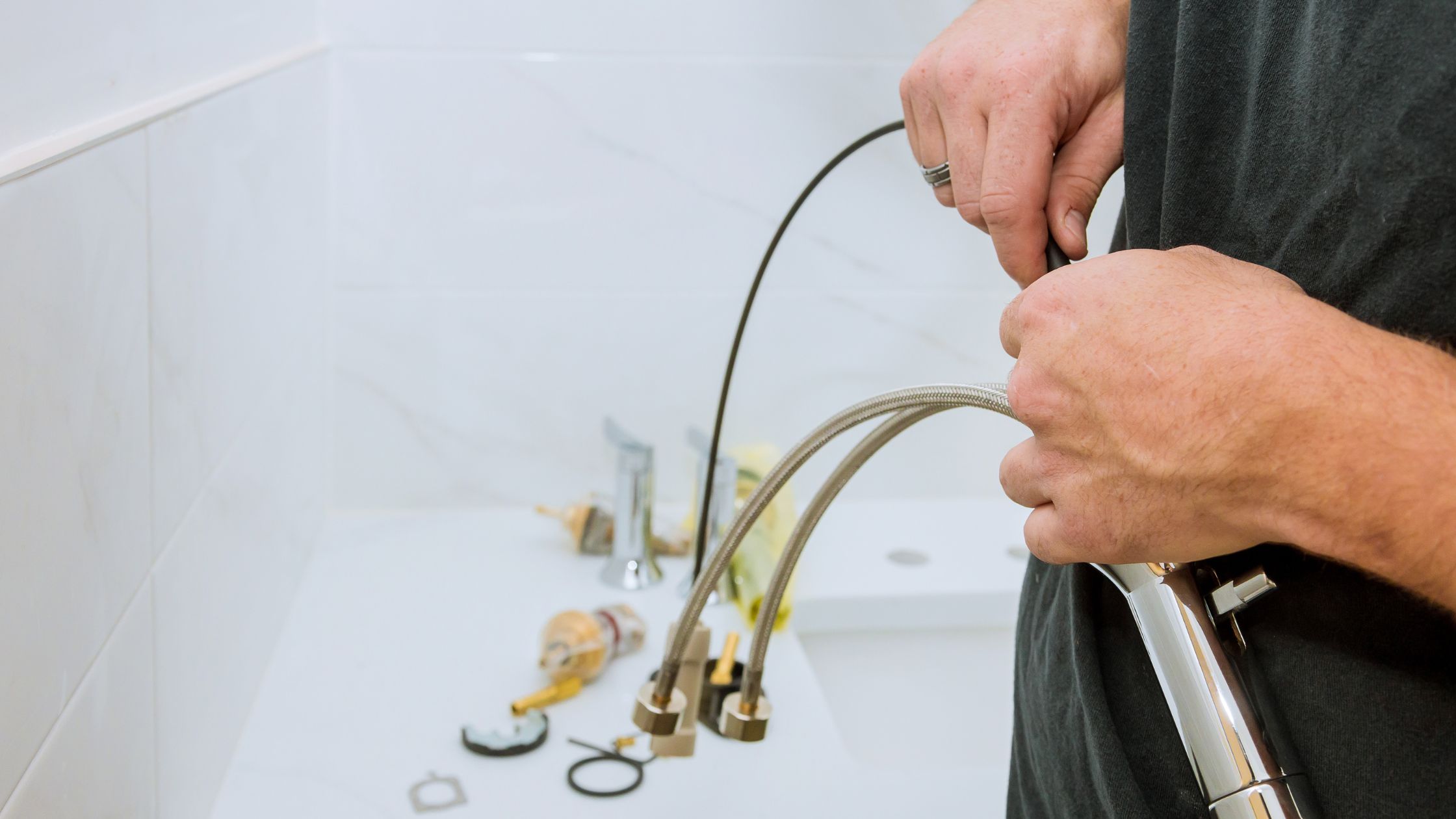
4. Contact a Qualified Plumber
5. Document and Photograph
Before and after any work, photograph the leak, the visible damage, and the areas concerned. This documentation is essential for your insurer, for billing, and in case of disputes with co-owners. Our craftsmen always provide a photo report after each intervention.
Routine Works vs Major Works: What’s the Difference?
Co-ownership management distinguishes between two categories of plumbing work. Routine works — repairing a minor leak, unblocking a collective drain, servicing the communal boiler — fall within the ordinary operating budget and can generally be commissioned by the trustee without a general meeting vote, within the limits set by the co-ownership rules.
Major works — replacing a rising main, overhauling the waste pipe network, installing a new communal heating system — require a general meeting decision and formal quotes. Correctly categorising each intervention is crucial to comply with governance rules and avoid challenges from co-owners.
How to Choose a Plumber for Your Building
Decennial Insurance and Professional Liability
All work in common areas must be carried out by a craftsman covered by professional liability insurance and, for structural work, decennial insurance. Always ask for proof of these before signing any work order. A serious professional will present them without hesitation.
Experience in Occupied Buildings
Working in an occupied building requires particular know-how: coordinating with residents, managing access, keeping common areas clean, and communicating clearly. A plumber experienced only in private homes may be out of their depth in a 50-unit building.
Responsiveness and Availability
Clear Quotes and Full Traceability
For a co-ownership, administrative transparency is essential. Each intervention must result in a signed quote, a detailed invoice, and a photo intervention report. These documents are indispensable for your accounts, general meeting reports, and building insurance.
Prevent Rather Than Cure: Best Practices
Annual Plumbing Inspection
Heating System Flushing
Proactive Communication with Co-owners
Regularly informing co-owners about the state of installations, preventive work carried out, and upcoming deadlines also helps avoid unpleasant surprises at the general meeting. An up-to-date maintenance log is a valuable tool every trustee should keep.
Why Parisian Property Managers Trust Réseau Tubulure
- Free quotes within 24 hours with full breakdown
- Systematic before/after photo reports
- Professional invoices adapted to co-ownership accounting
- Direct coordination with building managers and residents
- Transparent pricing with no surprises, including weekends